
What Is Private Search Engines?
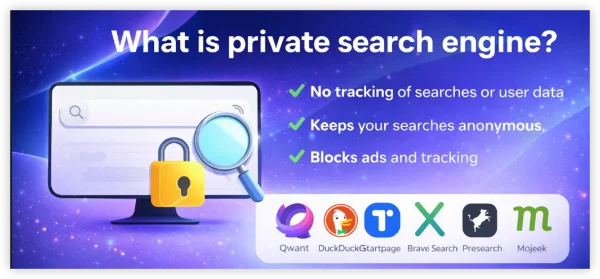
Private search engines are designed to minimize data collection and prevent tracking. Unlike mainstream search engines, which build detailed profiles of your interests based on your search history, private search engines don’t store your queries or track your browsing behavior. This means no targeted ads, no invasive data sharing, and, most importantly, complete anonymity.
Key Features of Private Search Engines
- No Data Collection: Your search queries are not logged.
- Ad-Free Results: Many private search engines provide an ad-free experience or show only non-intrusive ads.
- End-to-End Encryption: Some platforms offer additional layers of security through encryption.
- User-Focused Privacy: These search engines prioritize your privacy over profit, unlike many commercial alternatives.
The Importance of Private Search in 2026
As we move into 2026, the digital landscape is more connected—and more invasive—than ever. Every search query, website visit, and online interaction can be tracked by corporations, governments, and hackers. Here’s why private search is essential:
- Enhanced Privacy: Prevents unwanted tracking and data profiling by search engines and advertisers.
- Security Against Cyber Threats: Reduces the risk of personal data being exposed in data breaches or cyberattacks.
- Unbiased Search Results: Without personalized tracking, you get a more neutral search experience.
- Protection from Surveillance: Safeguards against government or third-party surveillance, which can compromise your freedom.
By using private search engines, you reclaim your right to browse the internet anonymously, ensuring your personal data remains yours alone.


Top 20 Private Search Engines in 2026: Alternatives to Google
Let’s dive into some of the best private search engines you can use in 2026. Each option offers unique advantages for privacy and security.
Key Takeaways
A private search engine typically:
- Does not track or store your search history
- Avoids building personal profiles
- Uses non-personalized ads or no ads at all
- Offers transparency about data handling
Not all “private” engines are equal—some are fully independent, while others rely on Google or Bing results without passing user data upstream.
DuckDuckGo remains one of the most popular private search engines due to its strong privacy policies and user-friendly interface.
- Privacy Focus: Does not track or store your search queries.
- Features: Offers instant answers and integrates with a variety of privacy-focused tools.
- User Experience: Clean interface with straightforward results that respect your anonymity.
- Why Use It: For users seeking a reliable, ad-minimal search experience with a strong commitment to privacy.
PROS
No tracking or user profiling
Sources results from Bing + its own crawler
Clean UI, browser extensions available
CONSResults can feel less “local” than Google.
Startpage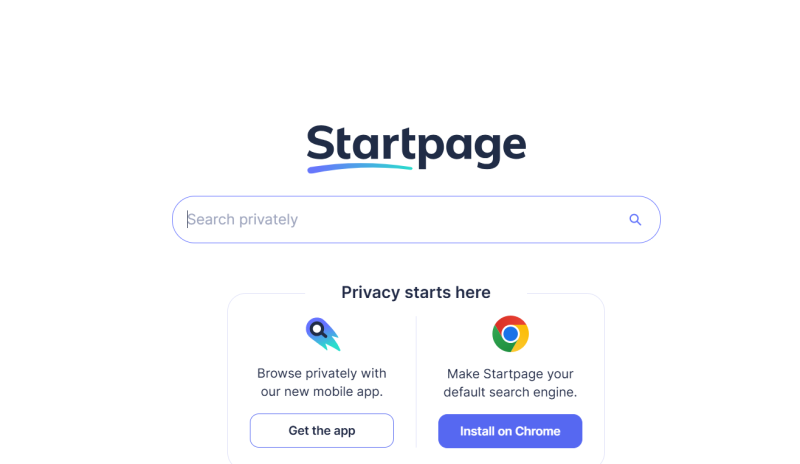
Startpage provides search results powered by Google but without tracking your personal data.
- Privacy Focus: Strips out identifiable information and doesn’t store search histories.
- Features: Delivers high-quality results from Google while ensuring complete anonymity.
- User Experience: Offers advanced filtering options and a simple, clean interface.
- Why Use It: Ideal for users who want the power of Google’s search algorithms without sacrificing privacy.
PROS
Uses Google Search results anonymously
No IP logging or cookies
Optional anonymous browsing via proxy
CONSSlightly slower due to proxy layer.
Qwant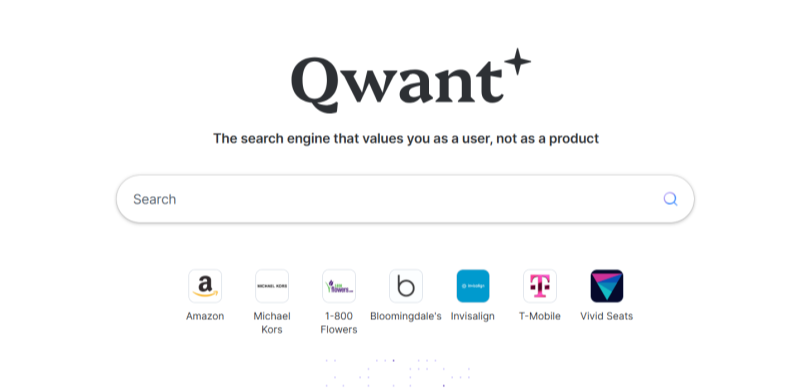
Qwant is a European search engine designed with privacy in mind.
- Privacy Focus: Does not track user behavior or store personal data.
- Features: Provides diverse search results including web, news, and social media content.
- User Experience: Stylish interface with customizable features and strong privacy credentials.
- Why Use It: Perfect for users in Europe or anyone who values data protection and neutrality in search results.
GDPR-focused, France-based
No user tracking
Separate news, social, and shopping results
Mixed result relevance outside Europe.
Mojeek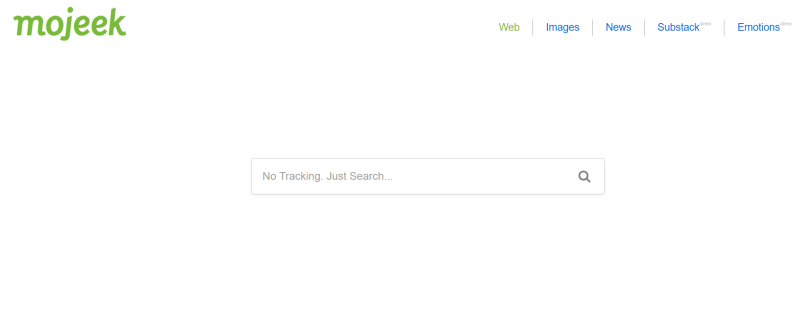
Mojeek distinguishes itself by building its own search index while maintaining user privacy.
- Privacy Focus: Does not track or profile users, offering completely anonymous searches.
- Features: Offers an independent search experience, free from bias.
- User Experience: Unique search engine that prioritizes transparency and user privacy.
- Why Use It: A great alternative for those seeking an entirely independent search solution.
Runs its own crawler and index
No tracking or profiling
UK-based
Smaller index than big players.
Swisscows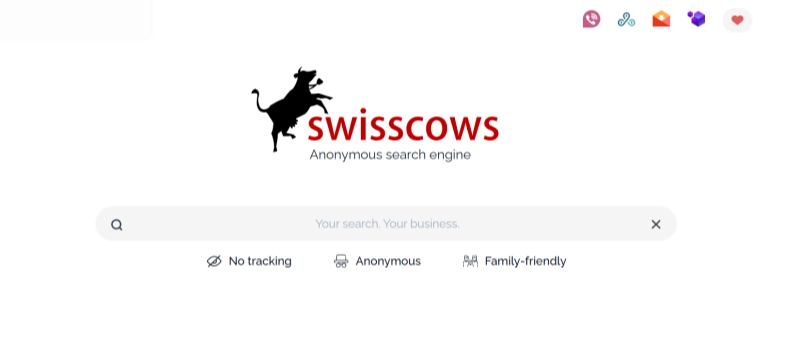
Swisscows focuses on family-friendly, secure search results without tracking.
- Privacy Focus: Promises not to store user data or search queries.
- Features: Uses semantic search technology to deliver intuitive results.
- User Experience: Clean, intuitive interface with emphasis on privacy and security.
- Why Use It: Ideal for users looking for a safe, privacy-respecting search engine for the whole family.
Switzerland-based privacy laws
No violent or adult content
Semantic search technology
Over-filtered for some users
Brave Search is a fully independent search engine built with privacy-first principles.
Privacy Focus: No tracking, no profiling, independent index.
Features: Own web crawler, AI-powered summaries (optional).
User Experience: Modern, clean, fast.
Why Use It: True alternative not dependent on Google or Bing.
Independent search index
No user tracking
Strong privacy defaults
Smaller index for niche queries
Enables use of your camera, contact list, microphone, location and face recognition
Enables use of your camera,
Enables use of your camera,
Enables use of your camera,
Enables use of your camera, contact list, microphone, location and face recognition
Enables use of your camera,
Enables use of your camera,
Enables use of your camera,
SearXNG 
SearXNG is an open-source, privacy-first metasearch engine.
Privacy Focus: No logging, fully customizable.
Features: Aggregates results from multiple engines.
User Experience: Depends on instance quality.
Why Use It: Maximum control for power users.
Open-source
Self-hostable
No ads
Inconsistent public instances
Ecosia
Ecosia combines privacy-focused search with environmental impact.
Privacy Focus: Minimal tracking, anonymized searches.
Features: Ad revenue funds tree planting.
User Experience: Google-like layout.
Why Use It: Privacy plus sustainability.
MetaGer
MetaGer is a German open-source metasearch engine.
Privacy Focus: Strong GDPR compliance and proxy search.
Features: Anonymous proxy browsing.
User Experience: Functional but dated.
Why Use It: Privacy-focused research searches.
YaCy
YaCy is a decentralized peer-to-peer search engine.
Privacy Focus: No central server, user-controlled.
Features: Distributed indexing.
User Experience: Technical and complex.
Why Use It: Decentralization advocates.
Whoogle
Whoogle is a self-hosted, privacy-friendly Google frontend.
Privacy Focus: Removes Google tracking entirely.
Features: No ads, no cookies.
User Experience: Clean Google-style UI.
Why Use It: Google search without Google surveillance.
Peekier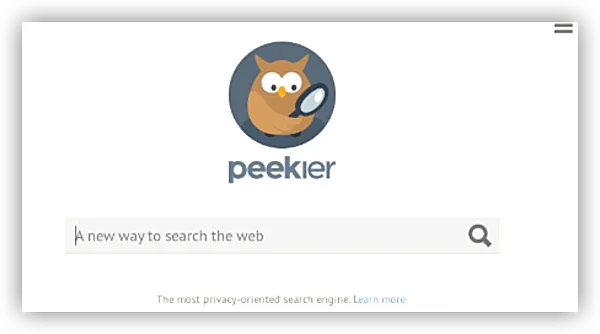
Peekier provides visual previews of search results.
Privacy Focus: Minimal data collection.
Features: Page snapshots in results.
User Experience: Visual-first design.
Why Use It: Quick content evaluation.
Gigablast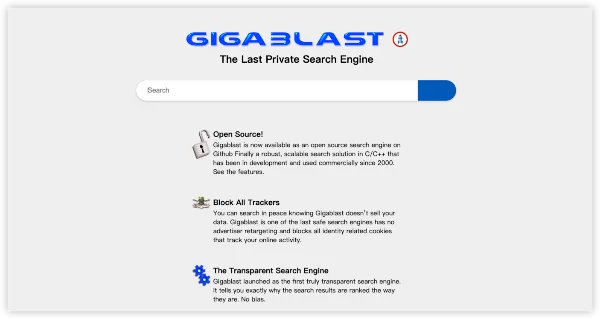
Gigablast is an independent search engine with its own crawler.
Privacy Focus: No tracking or profiling.
Features: Lightweight indexing.
User Experience: Basic interface.
Why Use It: Independent infrastructure supporters.
Disconnect Search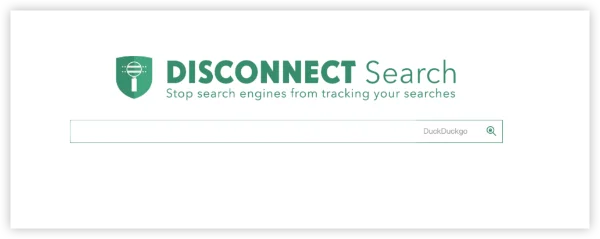
Disconnect Search is built by a privacy advocacy organization.
Privacy Focus: Anonymous search via major engines.
Features: Tracker blocking integration.
User Experience: Very simple.
Why Use It: Privacy-first browsing environments.
Lukol
Lukol acts as a privacy proxy for Google searches.
Privacy Focus: No user tracking.
Features: Google-style results.
User Experience: Minimalist.
Why Use It: Simple anonymous Google search.
Oscobo
Oscobo is a UK-based private search engine.
Privacy Focus: No data storage or tracking.
Features: Basic anonymous search.
User Experience: Clean but minimal.
Why Use It: Lightweight private searching.
Presearch
Presearch is a decentralized, community-driven search engine.
Privacy Focus: User-owned data model.
Features: Token rewards.
User Experience: Requires login for full use.
Why Use It: Decentralization enthusiasts.
Yippy
Yippy organizes search results by topic clusters.
Privacy Focus: Minimal tracking.
Features: Category-based results.
User Experience: Research-oriented.
Why Use It: Deep-dive research searches.
Eco-friendly mission
Transparent reports
Ad-supported
Uses Bing results
Open-source
Hosted in Germany
Old-fashioned UI
Fully decentralized
Open-source
Not beginner-friendly
No tracking
Lightweight
Requires hosting or public instance
Visual previews
Unique interface
Slower load times
Own crawler
Simple and fast
Inconsistent relevance
Strong privacy mission
Limited features
Familiar results
Less transparent backend
No tracking
Limited result depth
Community-driven
Result quality varies
Infinity Search
Infinity Search focuses on ad-free privacy search.
Privacy Focus: No ads, no tracking.
Features: Clean UI.
User Experience: Simple and distraction-free.
Why Use It: Minimalist private search.
Ad-free
Small index
Search Encrypt
Search Encrypt emphasizes encrypted search sessions.
Privacy Focus: Local encryption of searches.
Features: Auto-expiring history.
User Experience: Ad-heavy layout.
Why Use It: Encrypted browsing sessions.
Encrypted searches
Aggressive ads
Topic clustering
Not ideal for casual searches
Are Private Search Engines Free?
Yes — most private search engines are completely free to use.
Unlike Google, which monetizes user data through targeted advertising, private search engines typically use one of the following models:
-
Non-personalized ads (based on keywords, not user profiles)
-
Donations or subscriptions (optional, privacy-friendly)
-
Alternative revenue models (e.g. ethical ads, partnerships, or environmental funding)
Best Free Private Search Engines
-
DuckDuckGo, Startpage, Brave Search, Qwant, Swisscows → free for all users
-
SearXNG, Mojeek, Whoogle → free and often open-source
-
Ecosia → free, with ad revenue funding tree-planting projects
Some engines may offer premium features (advanced filters, API access, or ad-free modes), but basic searching is free and unrestricted.
In short, you don’t pay with money — and ideally, you don’t pay with your personal data either.
Are Private Search Engines Safe and Legal?
Is it legal to use a private search engine?
Yes, private search engines are legal in most countries.
They operate under the same legal frameworks as traditional search engines and comply with:
-
Local data protection laws (such as GDPR in Europe)
-
Copyright and content regulations
-
Regional advertising and consumer protection rules
Using a private search engine does not violate the law in normal circumstances.
Is it safe to use a private search engine?
In general, private search engines are safe to use, and often safer than mainstream alternatives when it comes to data protection.
Why they’re considered safe:
-
No or minimal tracking
-
No behavioral profiling
-
Reduced exposure to targeted ads and tracking scripts
-
Many are open-source or independently audited
However, safety also depends on how you use them:
-
Search engines do not control the safety of third-party websites in results
-
You should still use common protections (HTTPS, updated browser, basic security awareness)
Extra Privacy Hacks for Secure Browsing
What is the safest search engine? What are some of the best private search engines?

Beyond choosing the best private search engine, there are several privacy hacks you can implement to further protect your online activities.
- Regularly Clear Cookies and Cache
Even when using a private search engine, your browser may retain cookies and cached files that can reveal your browsing habits.
- Tip: Set your browser to automatically clear cookies and cache on exit.
2. Use Incognito Mode Effectively
Incognito mode helps prevent local data storage, but remember that it does not make you invisible online.
- Tip: Combine incognito mode with a VPN for complete anonymity.
3. Avoid Logging into Personal Accounts
To maintain anonymity, avoid logging into accounts that are tied to your identity when performing private searches.
- Tip: Use separate, dedicated accounts for private browsing sessions.
4. Use Secure Browsers
Browsers like Firefox Focus or Brave are designed with privacy in mind and can further reduce tracking.
- Tip: Experiment with different privacy-focused browsers to see which one best suits your needs.
5. Enhance Browser Privacy Settings
Review and adjust your browser’s privacy settings to minimize data tracking.
- Tip: Disable third-party cookies and enable tracking protection features.
Bonus: How Best Free VPN Integrates with Private Search Engines
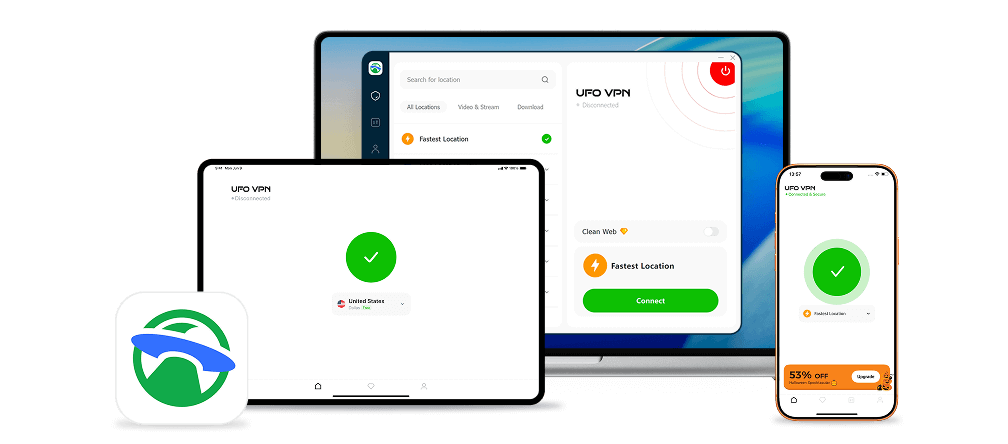
While private search engines significantly reduce tracking, your connection can still be vulnerable to monitoring or cyber attacks. This is where UFO VPN comes into play, offering a robust layer of encryption and anonymity.
Benefits of UFO VPN for Private Search
- Complete Traffic Encryption: UFO VPN encrypts all your data, ensuring that even if someone intercepts your connection, they cannot decipher your information.
- IP Masking: By hiding your real IP address, UFO VPN makes it virtually impossible for advertisers, hackers, or data brokers to track your online activity.
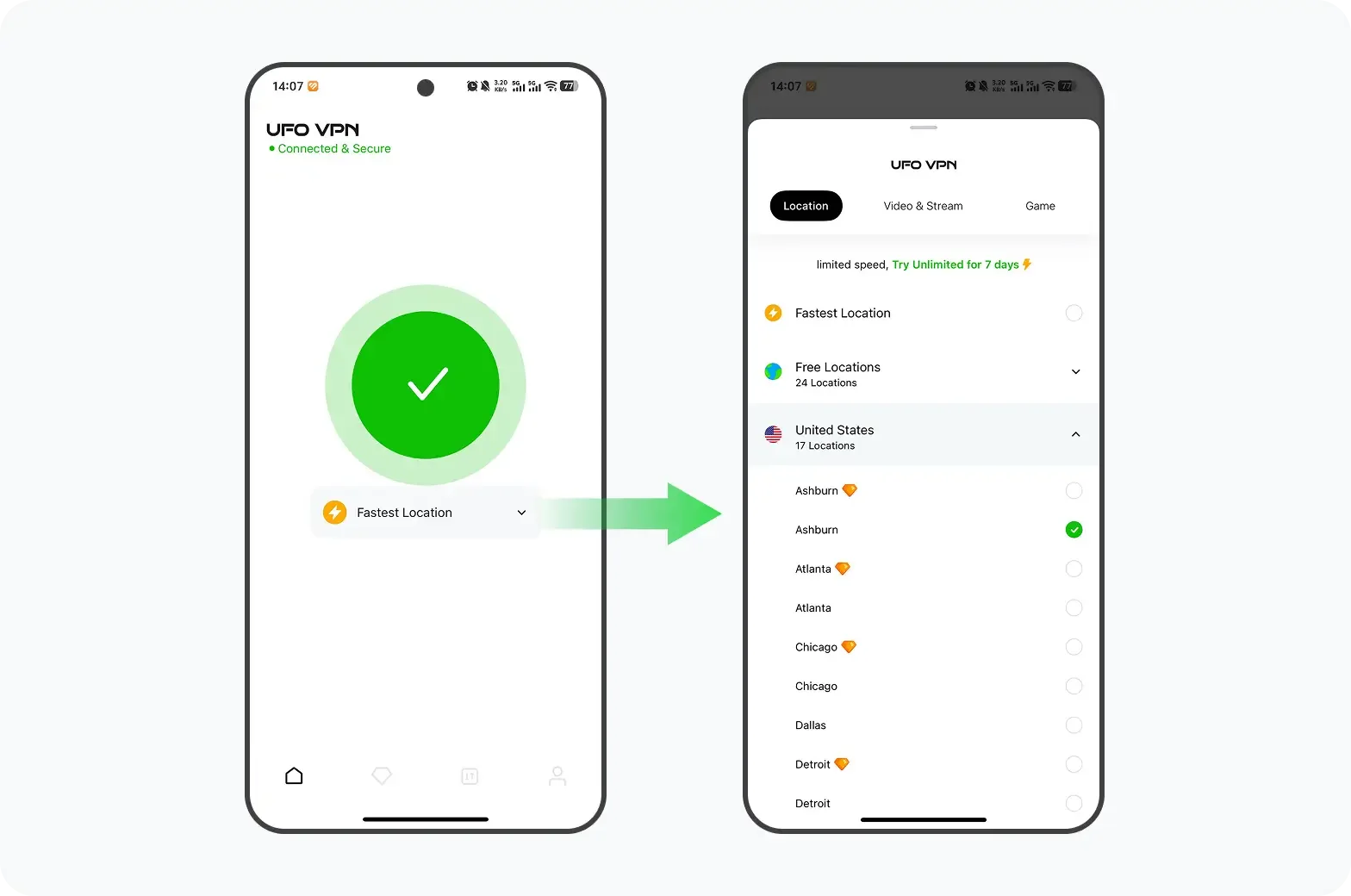
- Bypass Geo-restrictions: Connect to servers in various regions, ensuring you have unrestricted access to private search engines no matter where you are.
- No-Logs Policy: UFO VPN’s strict no-logs policy means your online behavior remains private, providing peace of mind as you browse.
- User-Friendly Interface: Easy to install and use, making it an ideal addition to your privacy toolkit.
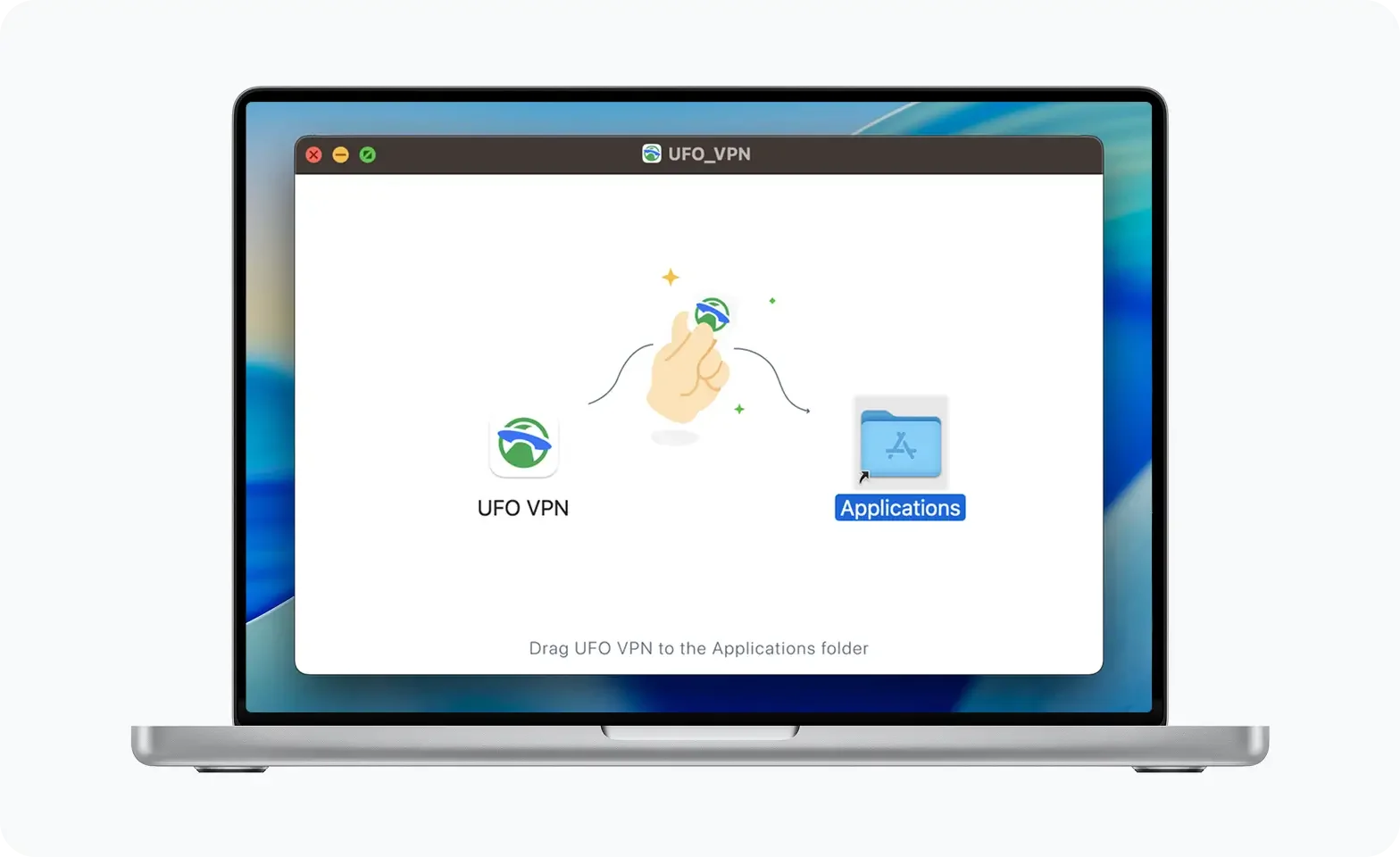
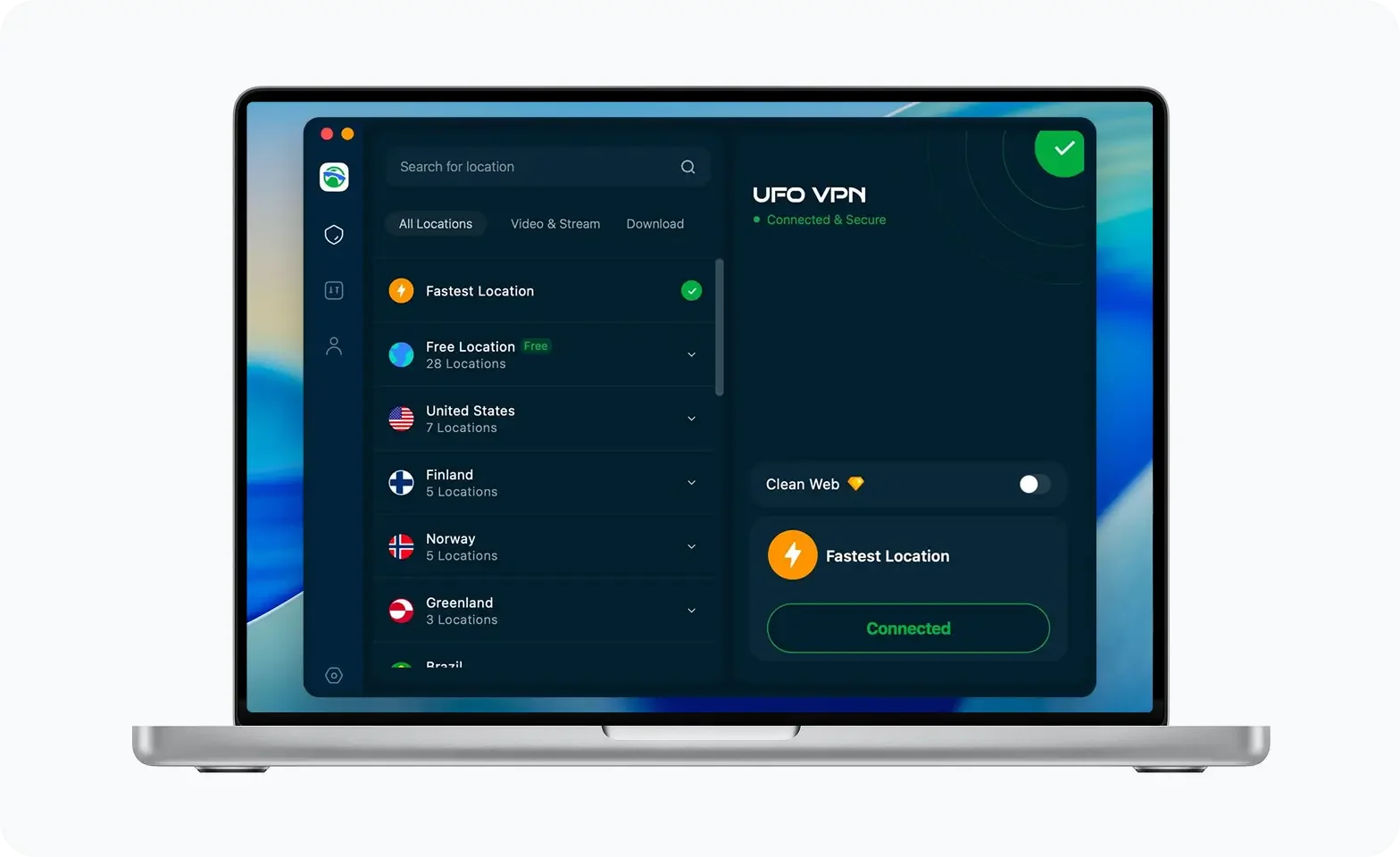
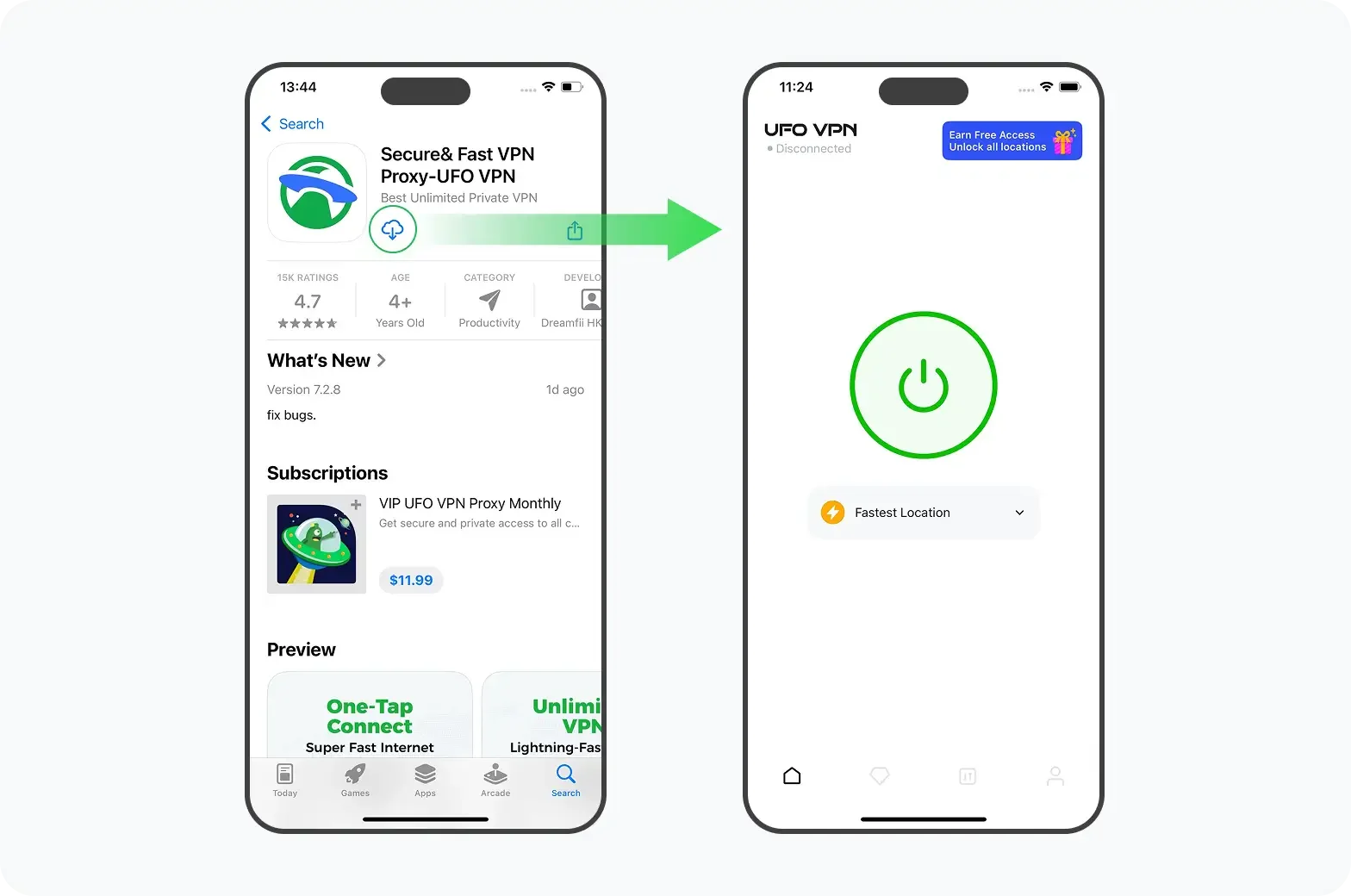
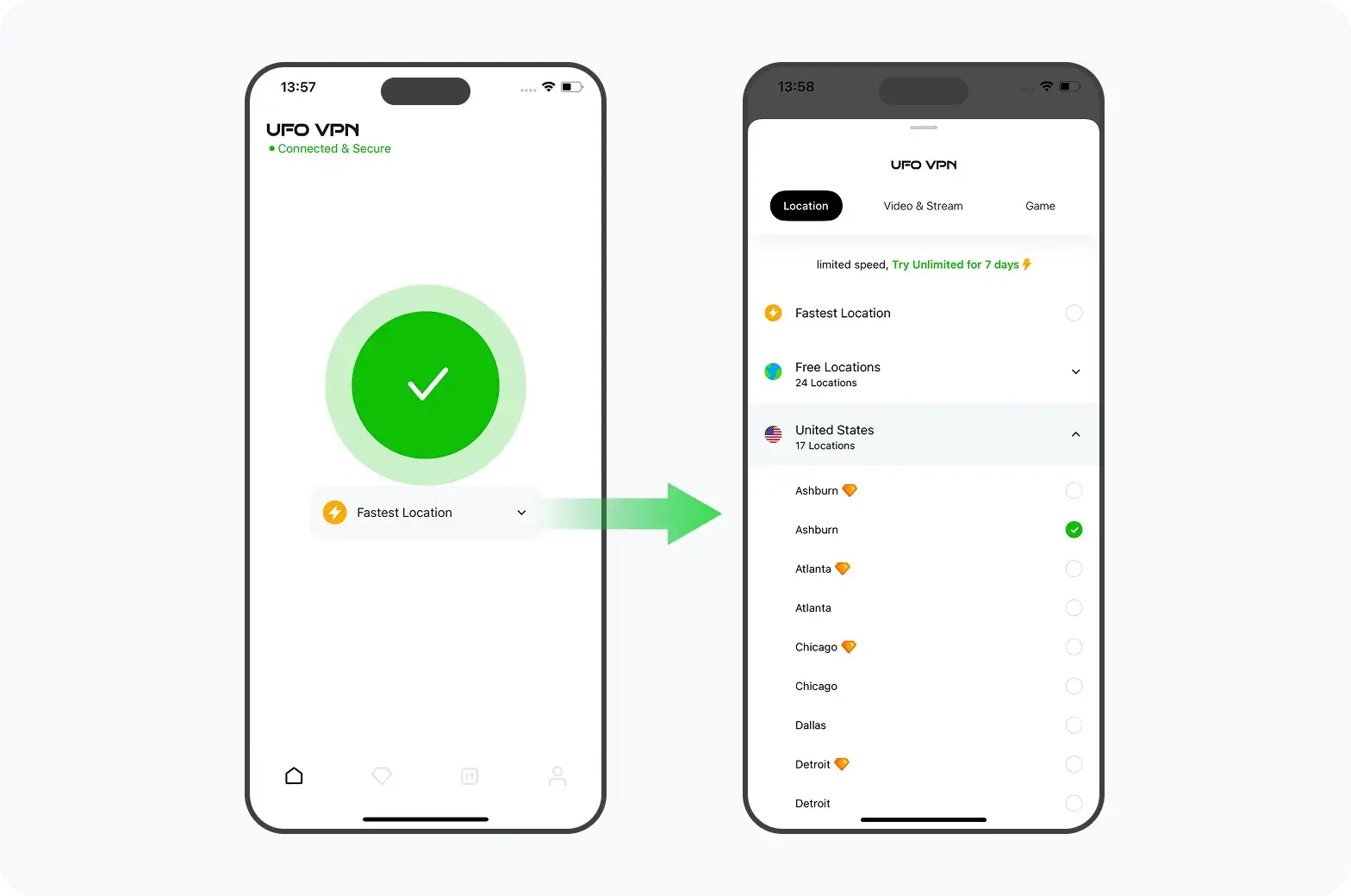
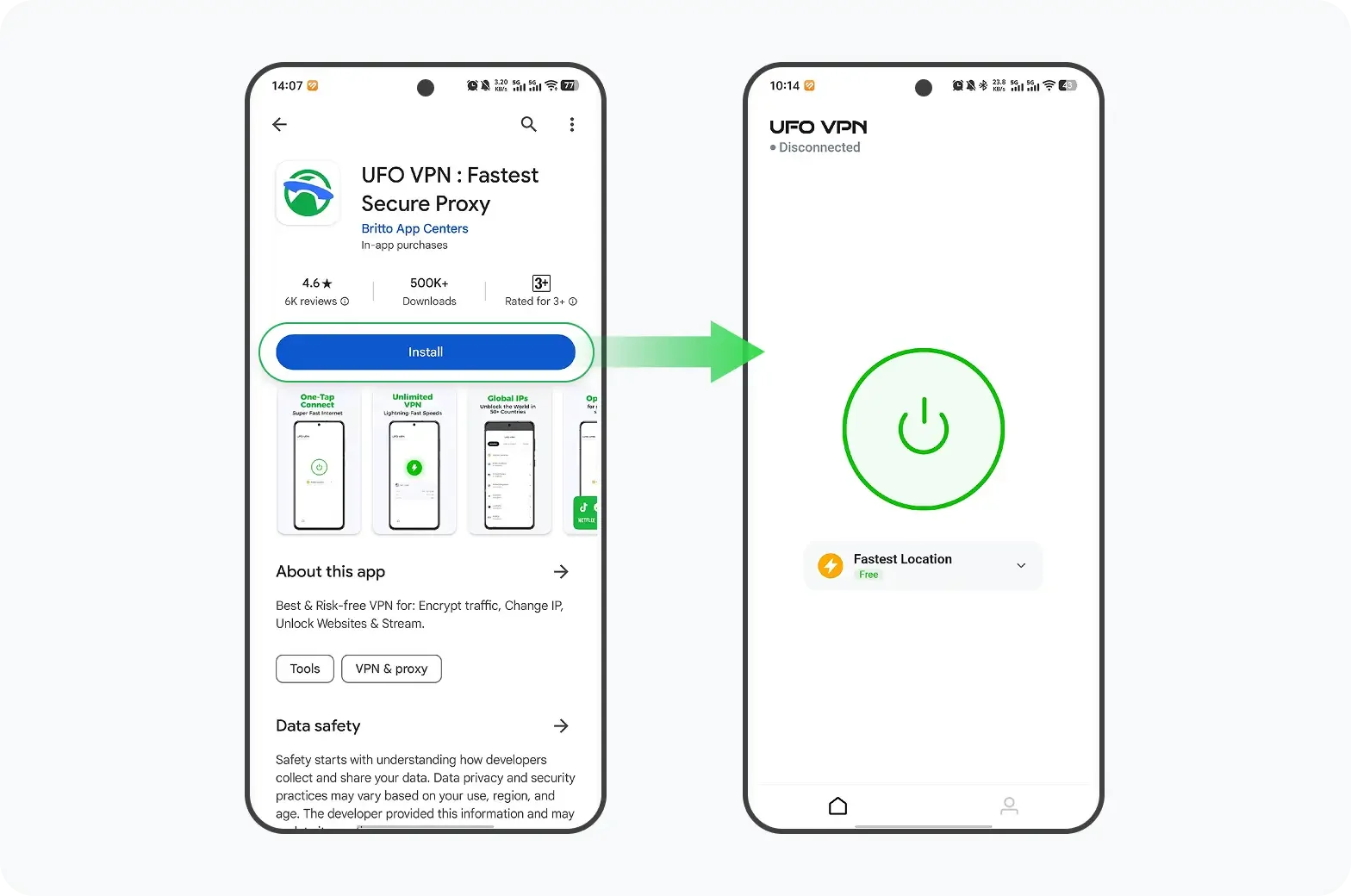
How to Set Up UFO VPN for Private Browsing:
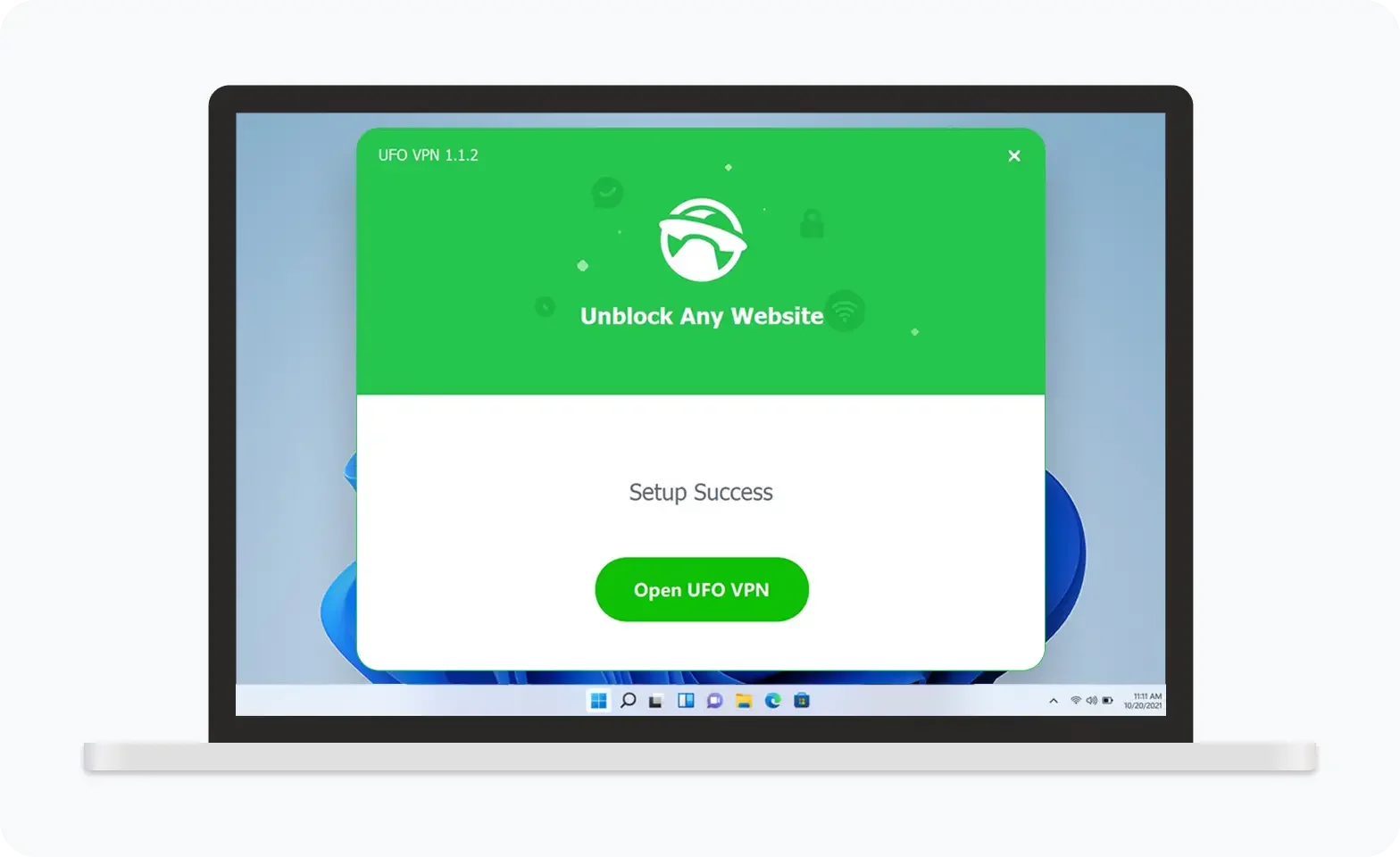
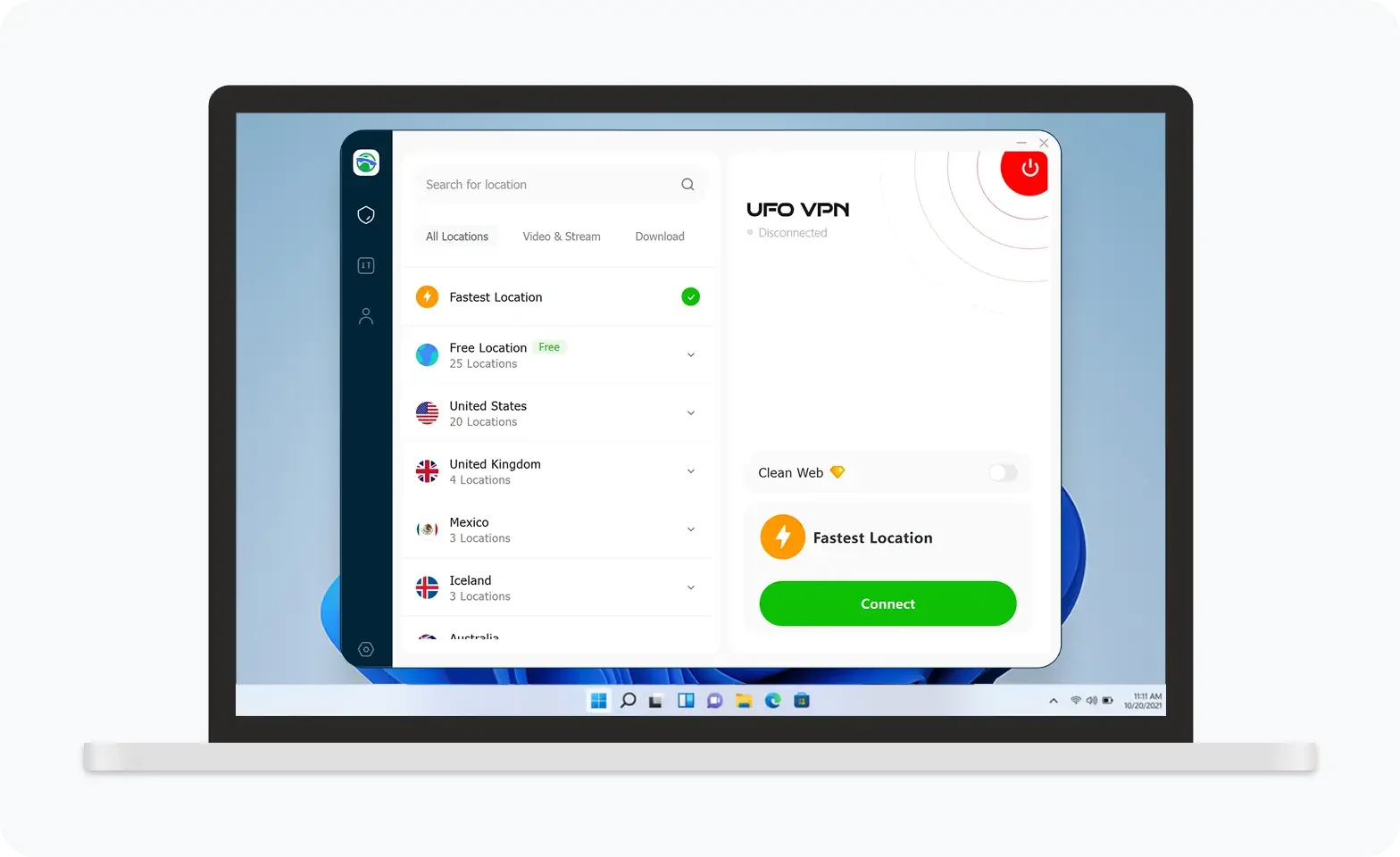
UFO VPN is an all-in-one VPN that offers unlimited access to 4K streaming like Netlfix, Disney Plus, no-ping gaming as PUBG, Roblox, CODM and social networking for YouTube, X, Facebook and more.
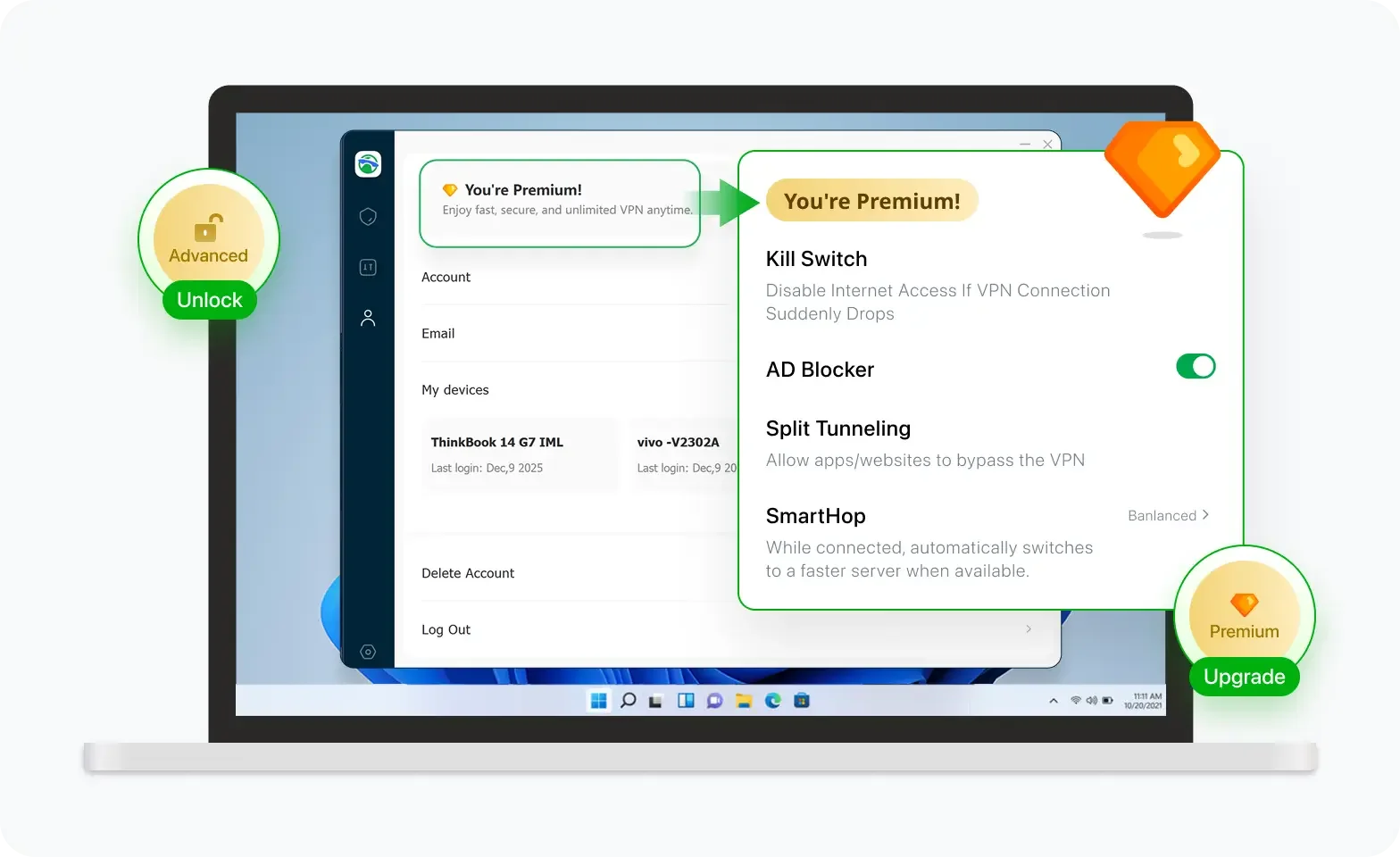
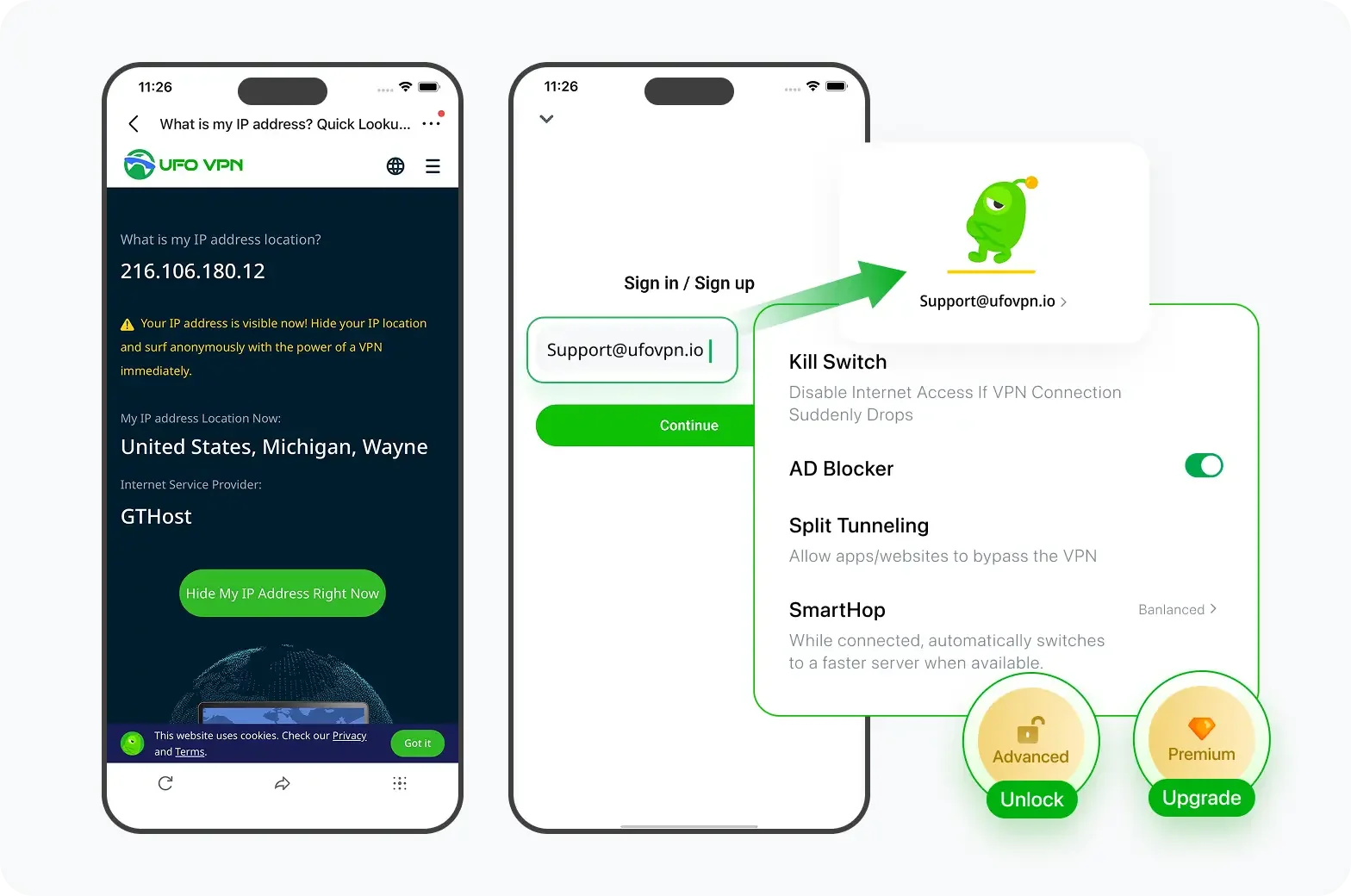
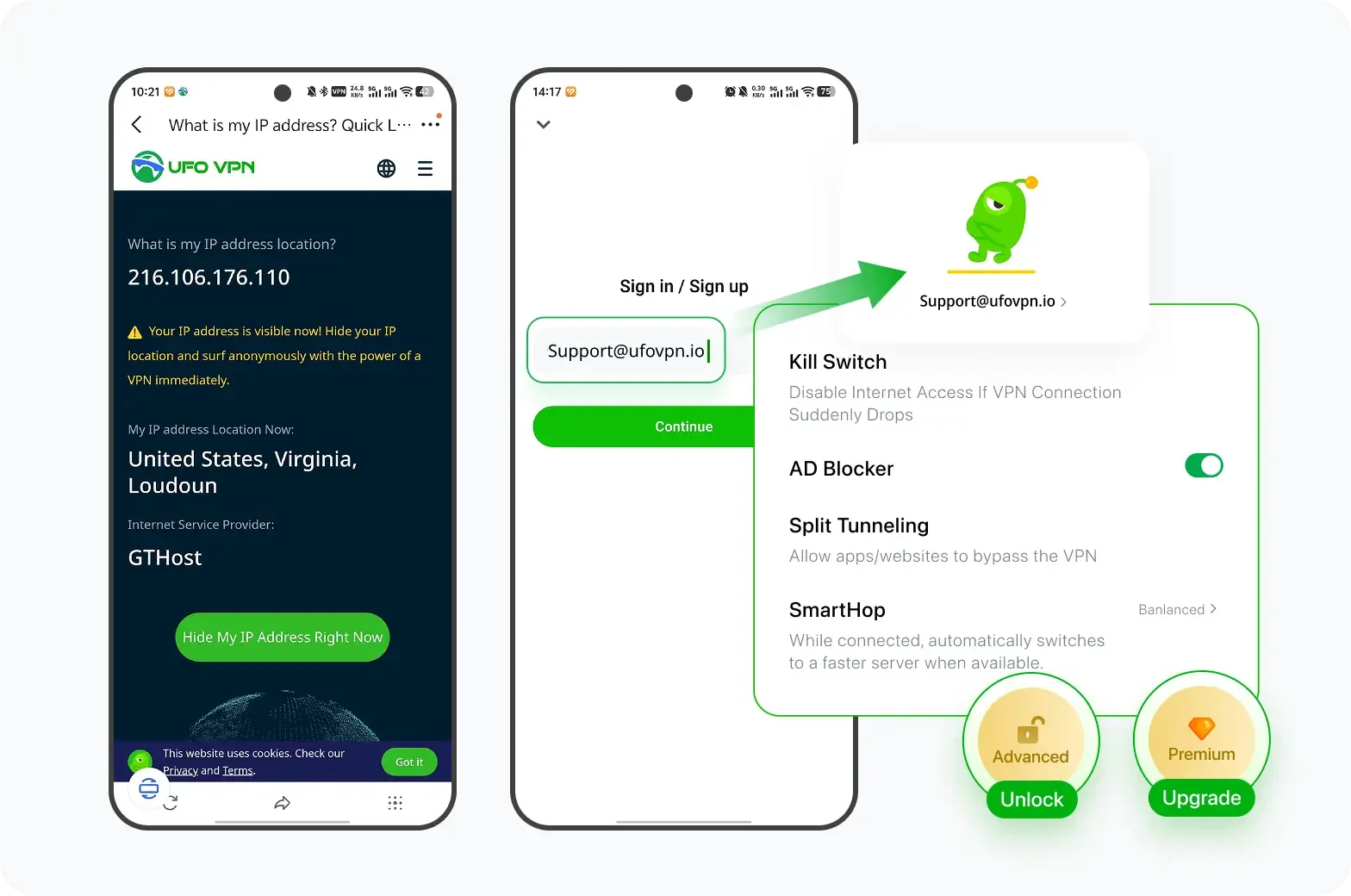
Unlock Pro Features
If you have upgraded to premium plan , feel free to enjoy premium servers for 4K streaming and advanced features like Kill Switch, Split Tunneling, and gaming acceleration. Your Mac is now fully optimized and protected. Inaddition to basic functions, we recommend you turn on

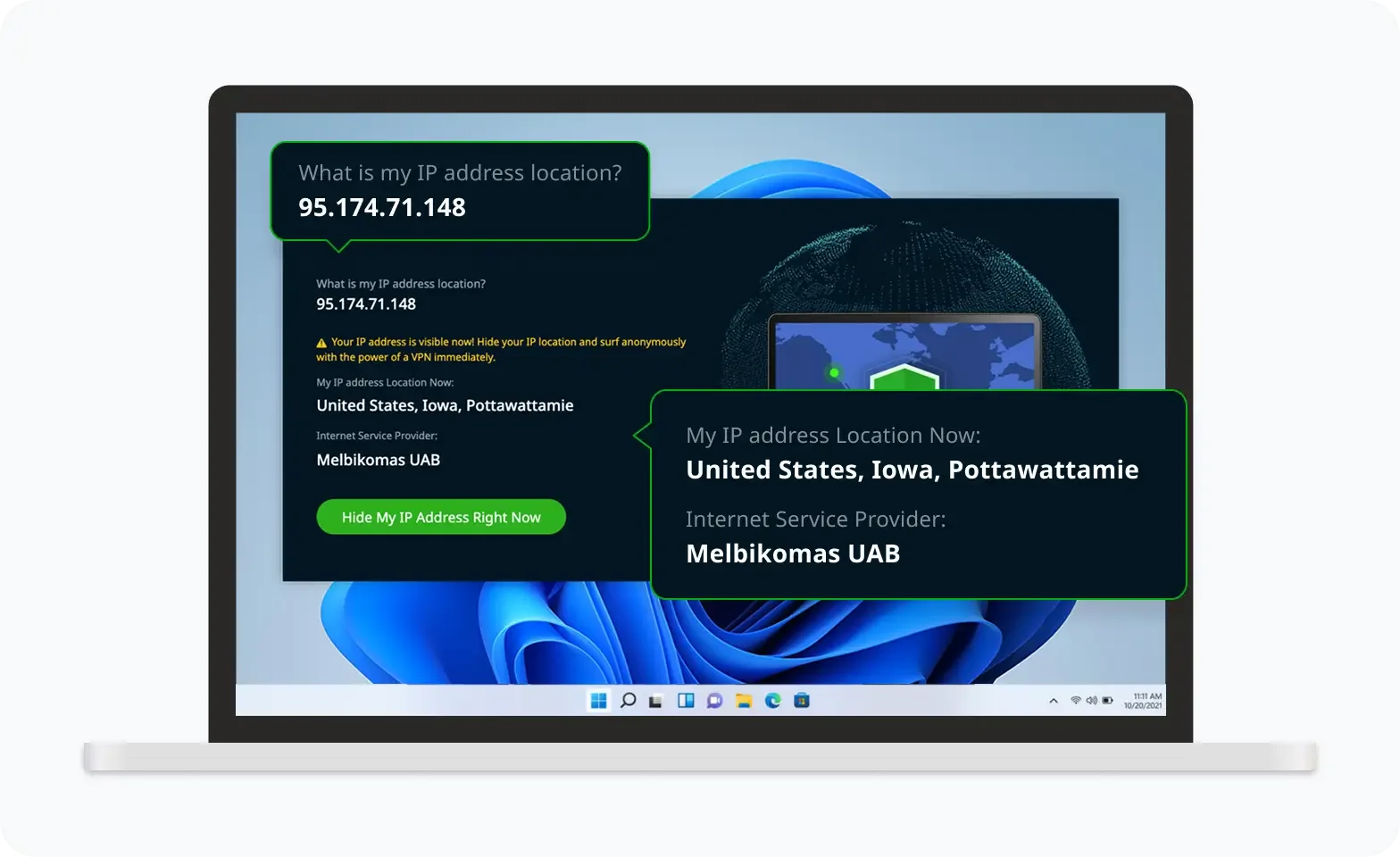
Verify Your IP Now
Use UFO VPN's " What is My IP " feature to see your new IP and location. This confirms your connection is secure, anonymous, and ready for safe browsing online anywhere at any time.

Best Practices for No-Track Browsing in 2026
As we move into 2026, ensuring your browsing remains private will become even more critical. Here are some best practices to maintain total anonymity:
Use a Combination of Tools
Relying on a single privacy tool may not be sufficient. Combine private search engines, a secure browser, and a robust VPN like UFO VPN for comprehensive protection.
Stay Informed on Privacy Trends
The digital privacy landscape evolves quickly. Stay updated on the latest privacy technologies and best practices by following reputable cybersecurity blogs and news sources.
Regularly Update Your Software
Ensure that your operating system, browser, and VPN are all up-to-date. Updates often include critical security patches that protect you from new threats.
Use Strong Authentication for Online Accounts
Enable two-factor authentication (2FA) on all your online accounts to add an extra layer of security.
Monitor Your Digital Footprint
Regularly review your online presence and adjust privacy settings as necessary to minimize data leakage and tracking.
Implementing these practices will help you stay ahead of cyber threats and maintain total anonymity in an increasingly connected world.
Easy-to-Read Comparison Chart: Private Search Engines & Privacy Tools
| Tool/Method | Key Feature | Benefits | Considerations |
|---|---|---|---|
| DuckDuckGo | No data tracking | User-friendly, ad-minimal search experience | May lack advanced search features |
| Startpage | Google-powered results without tracking | High-quality results, strong privacy | Limited customization options |
| Qwant | European privacy focus, diversified content | Stylish interface, family-friendly | May be less familiar to users in other regions |
| Mojeek | Independent search index | Completely unbiased, no tracking | Smaller index compared to mainstream search engines |
| Swisscows | Semantic search with no tracking | Safe for families, intuitive search | Results may vary from traditional engines |
| UFO VPN | Encrypts all traffic, masks IP address | Blocks tracking, bypasses geo-restrictions | Slight speed reduction due to encryption overhead |
This chart provides a clear comparison of the best private search engines in 2026 and highlights how UFO VPN integrates with these tools for enhanced privacy.
Conclusion: Lock Down Your Privacy in 2026
As cyber threats become more advanced in 2026, protecting your online privacy is non-negotiable. By using the best private search engines, you can browse without being tracked, and with the added security of UFO VPN, your digital identity remains hidden. UFO VPN’s comprehensive encryption, IP masking, and no-logs policy ensure that your online activities are fully protected, no matter where you are or what you search for.Implement these privacy-first strategies today and take control of your digital life. Enjoy a secure, anonymous browsing experience with top-notch tools and practices that protect your data and keep you safe from cyber threats.
FAQs
What are the risks of having an exposed IP address in 2026?
An exposed IP address can lead to tracking, data interception, DDoS attacks, and even identity theft. As cybercriminals develop more sophisticated tools, your IP address could be used to monitor your online activities or launch targeted attacks. Protecting your IP is crucial for maintaining your privacy.
How does a private search engine differ from a regular search engine?
Private search engines do not track or store your search history. They offer unbiased results without building detailed user profiles. This means that your searches remain anonymous, and you aren’t bombarded with targeted ads based on your browsing habits.
Can UFO VPN protect my identity even if I use private search engines?
Absolutely. While private search engines protect your search queries, UFO VPN encrypts all your internet traffic and masks your IP address. This dual approach ensures that your entire online activity remains secure and anonymous, making it extremely difficult for any party to trace your data back to you.
Do I need to combine multiple privacy tools to stay safe online?
Using a combination of tools—private search engines, privacy-focused browsers, and a reliable VPN like UFO VPN—offers the most comprehensive protection. Each tool covers different aspects of online privacy, and together they form a robust defense against tracking and data breaches.
Is there any downside to using UFO VPN with private search engines?
While using a VPN can sometimes result in a slight reduction in internet speed due to encryption overhead, the trade-off for enhanced security and privacy is well worth it. UFO VPN is designed to minimize any impact on performance while providing strong protection.