What Do Sites Like DeviantArt Do?
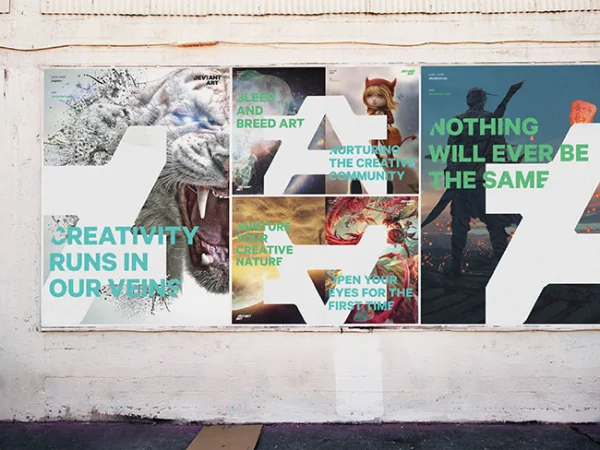
Before jumping into alternatives, it helps to remember what made DeviantArt so popular in the first place. It wasn't just a static image gallery.
Sites like DeviantArt function as social networks specifically tailored for visual creatives. They offer a space to upload portfolios of work in high quality. More importantly, they provide tools for interaction: comments, "favorites," forums, and private messaging. They are places to get feedback on a work-in-progress, find inspiration from others, build a fan base, and sometimes even sell commissions or prints.
Why You Should Look for DeviantArt Alternatives?
If DeviantArt does all those things, why leave? There are a few key reasons why artists are migrating in 2026.
Firstly, the sheer volume of content on DeviantArt means it is incredibly hard for new artists to get noticed. Your artwork can be buried seconds after you post it. Secondly, the platform’s shift towards diverse content types has made it feel cluttered to many users who just want a clean art focus.
However, the biggest driver recently has been the rise of AI. Many artists feel DeviantArt didn't move fast enough to protect human creations from being scraped by AI models. This has led to a massive demand for platforms that prioritize and protect human-made art. Finding sites like DeviantArt that better align with your values and professional goals is a smart move for any serious creator.
How to Choose the Best DeviantArt Alternative Site?
With so many options, picking one can feel overwhelming. Don't just join the first one you see. Consider these factors to find your perfect fit:
🎯 Your Purpose
Are you looking to get hired by a major game studio, or do you simply want constructive feedback on your watercolor technique? A platform built for industry networking (such as ArtStation) can feel cold or intimidating if you’re just seeking a relaxed hobby community. Always define your goal first.
👥 Community Vibe and Niche
Some platforms are generalists, hosting everything from photography to sculpture. Others are highly specialized, focusing on areas like UI design, pixel art, or character concepts. Community tone matters too—do you want professional critiques or supportive, encouraging comments?
🛠️ Features and Tools
Focus on practical details. Does the site support high-resolution uploads without compressing your work? Can you organize pieces into folders or albums? Is there a built-in shop for selling prints or commissions?
🌍 Ease of Access and Regional Availability
This factor is often overlooked. Not all platforms perform well in every country. Some may be region-restricted, load slowly, or have features blocked by local networks. If a site struggles to load or fails during large uploads, you’re unlikely to stick with it. Make sure you can access your chosen community reliably from anywhere in the world.
How to Access Sites Like DeviantArt Safely?
When you decide to join new art communities, online safety becomes paramount. You are uploading your intellectual property and often dealing with financial transactions if you do commissions.
The foundation of online safety is a stable and secure network connection. When uploading large, high-quality art files, a dropped connection can corrupt uploads. Moreover, if you are accessing these sites from public Wi-Fi in a coffee shop or airport, your data, login details, and private messages could be vulnerable.
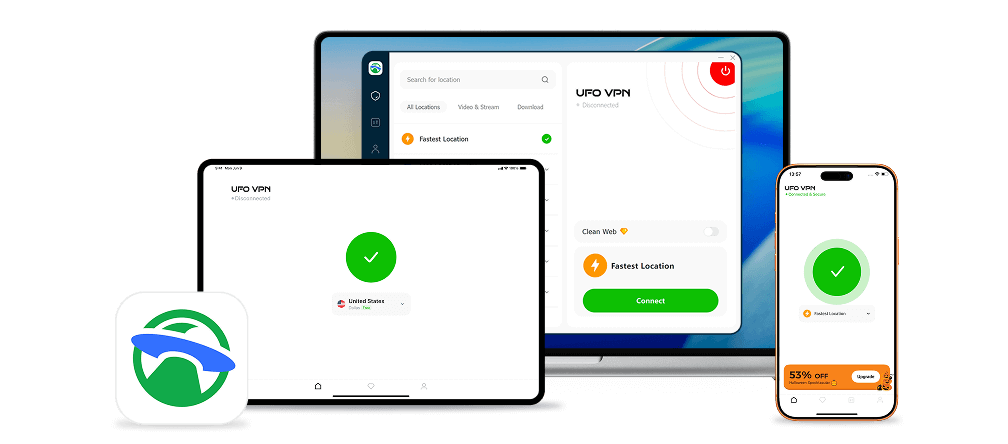
To ensure smooth access regardless of regional blocks and to encrypt your data against snooping, many artists rely on secure tools. Using a reliable service like a free proxy VPN in UFO VPN can help maintain a stable, encrypted connection, ensuring you can access your portfolio site securely from anywhere without interruption.
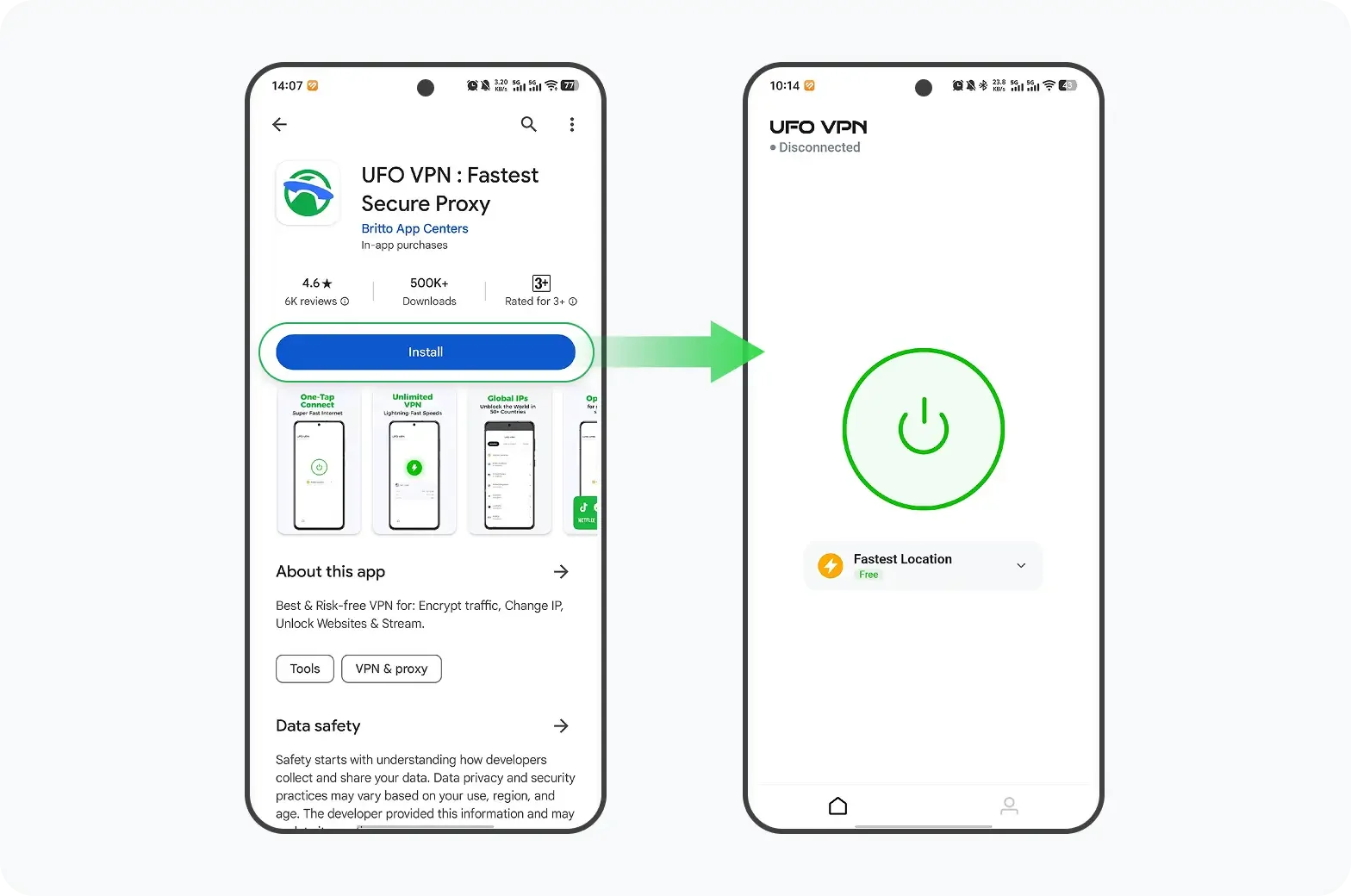
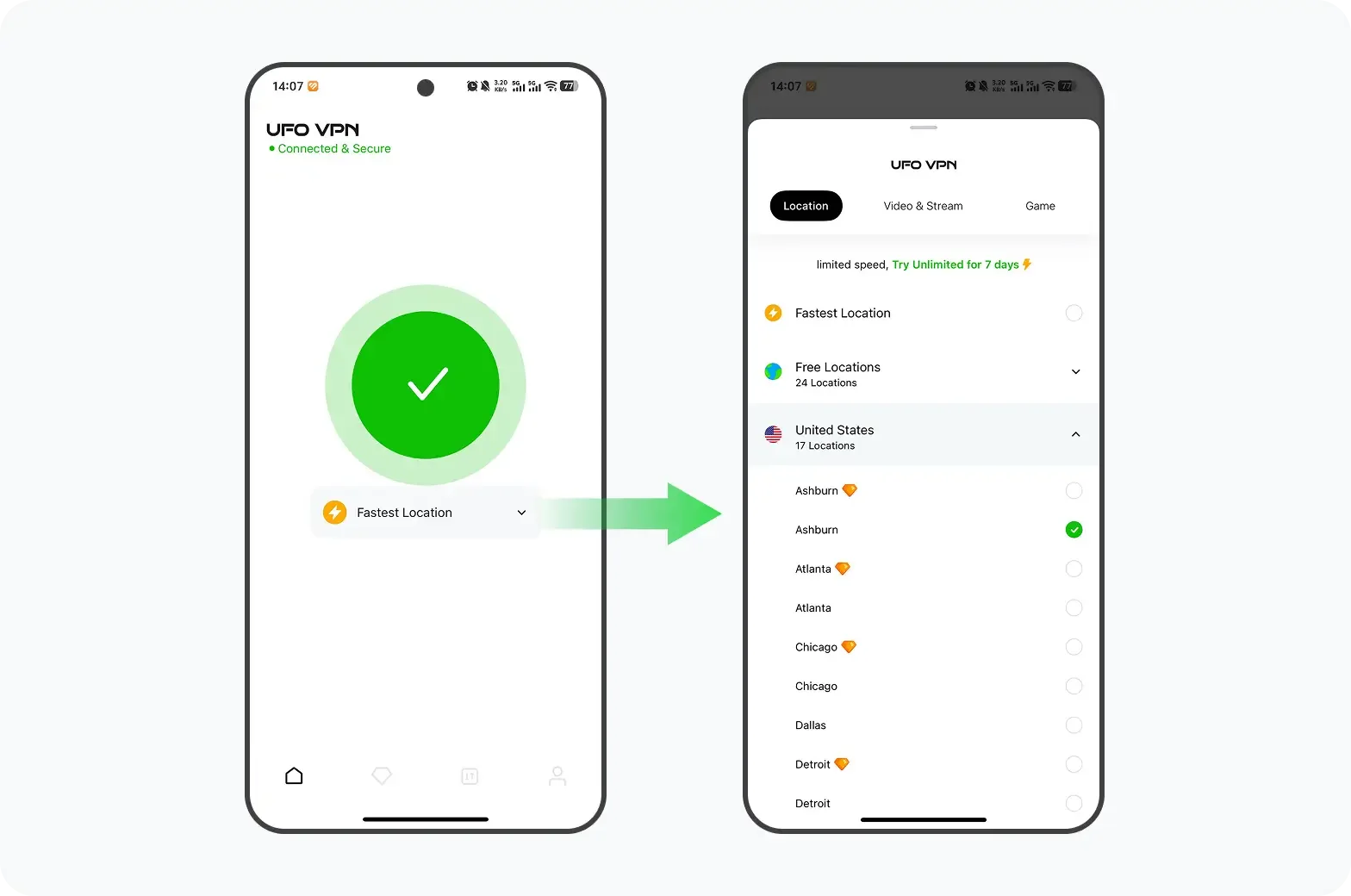
UFO VPN is known for its ease of use. You can simply install and use it for safer connection by:
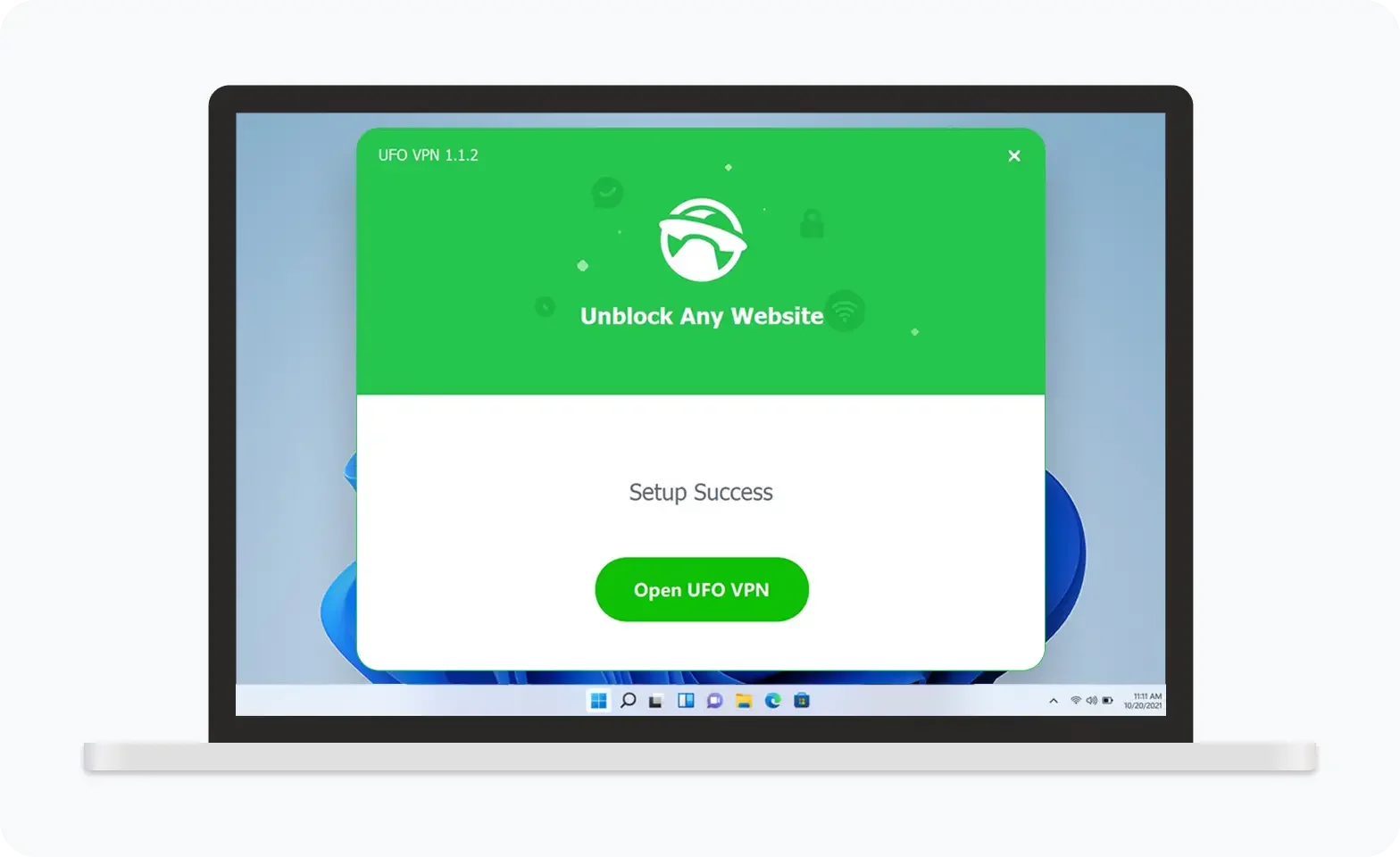
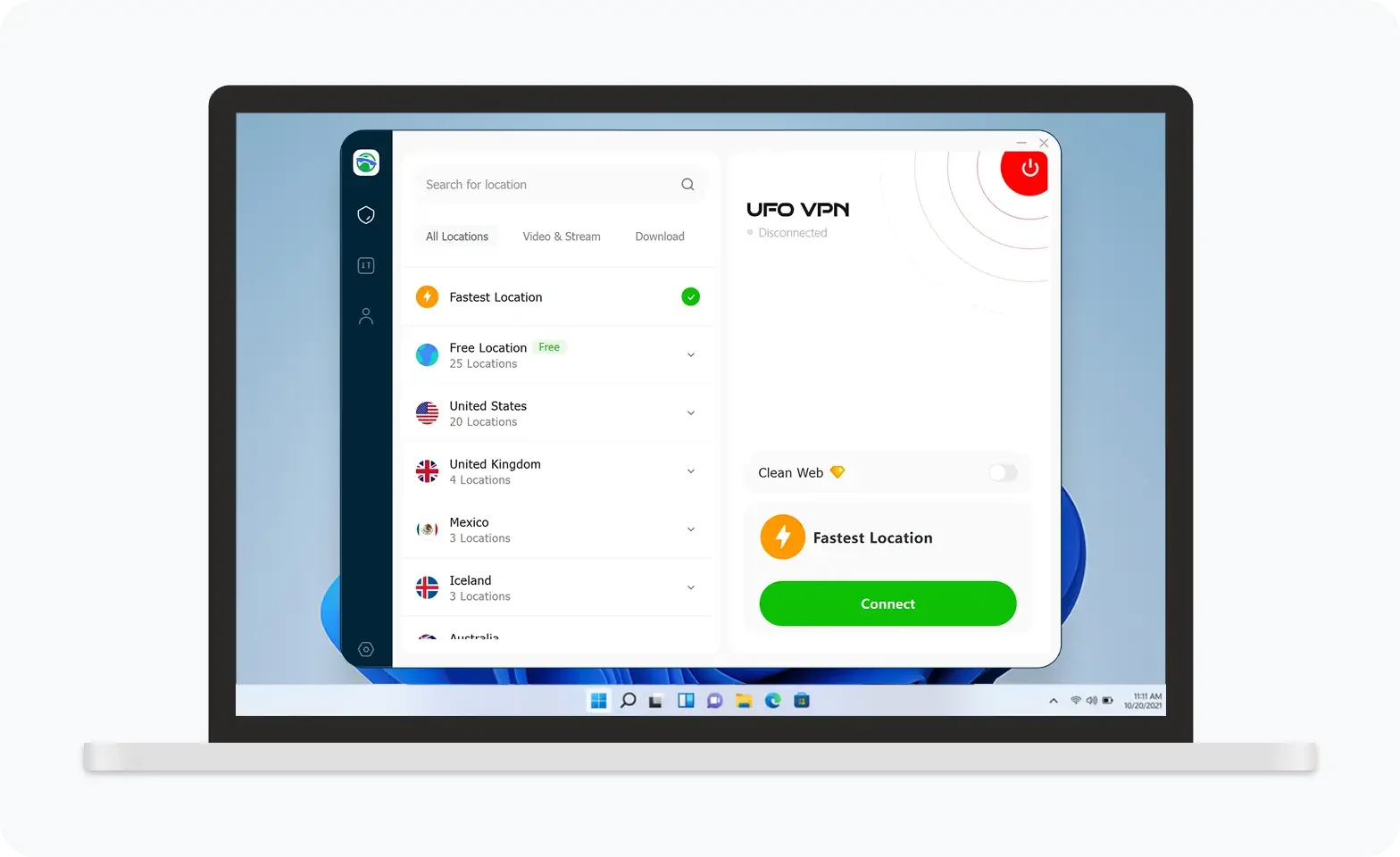
UFO VPN is an all-in-one VPN that offers unlimited access to 4K streaming like Netlfix, Disney Plus, no-ping gaming as PUBG, Roblox, CODM and social networking for YouTube, X, Facebook and more.
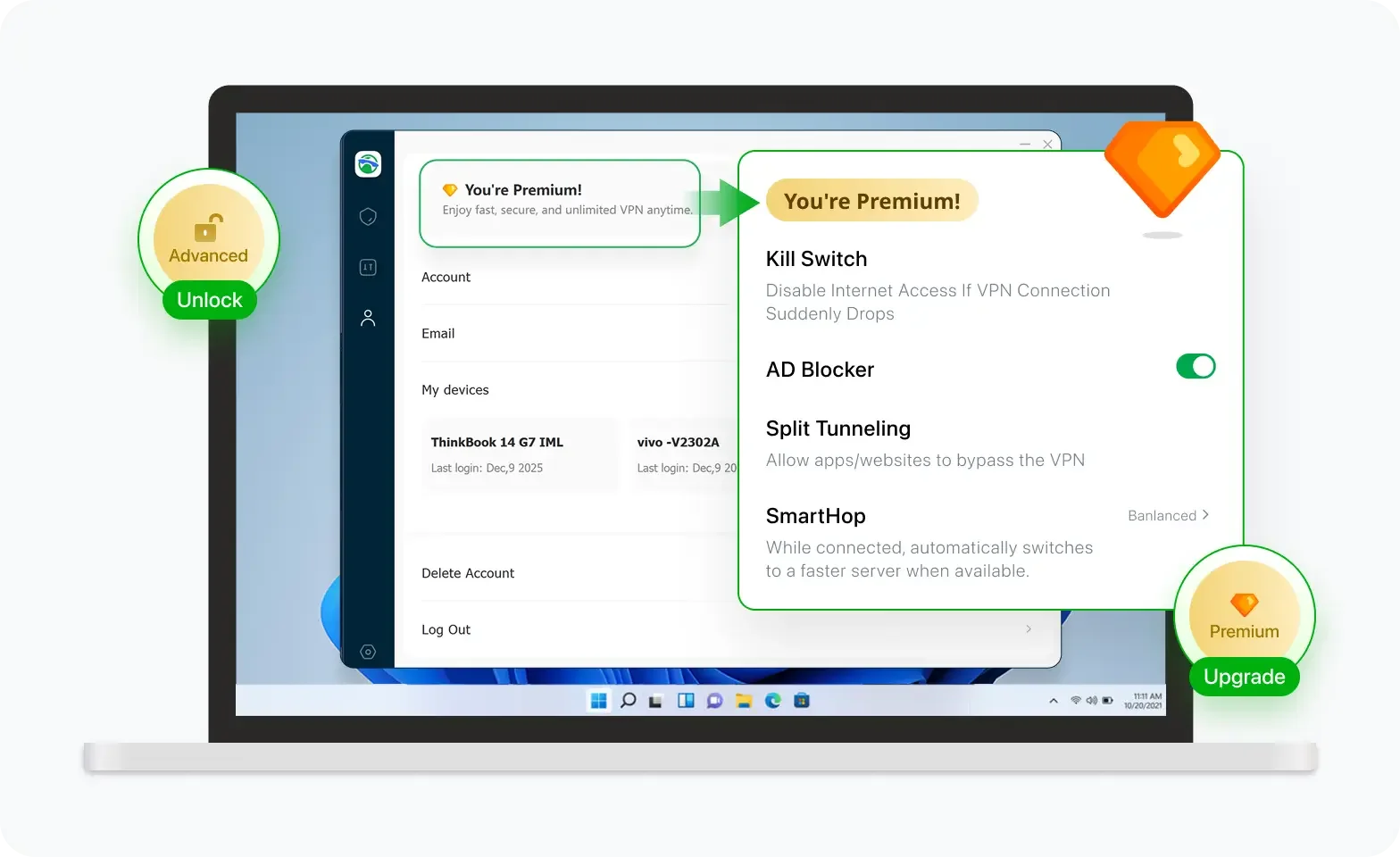
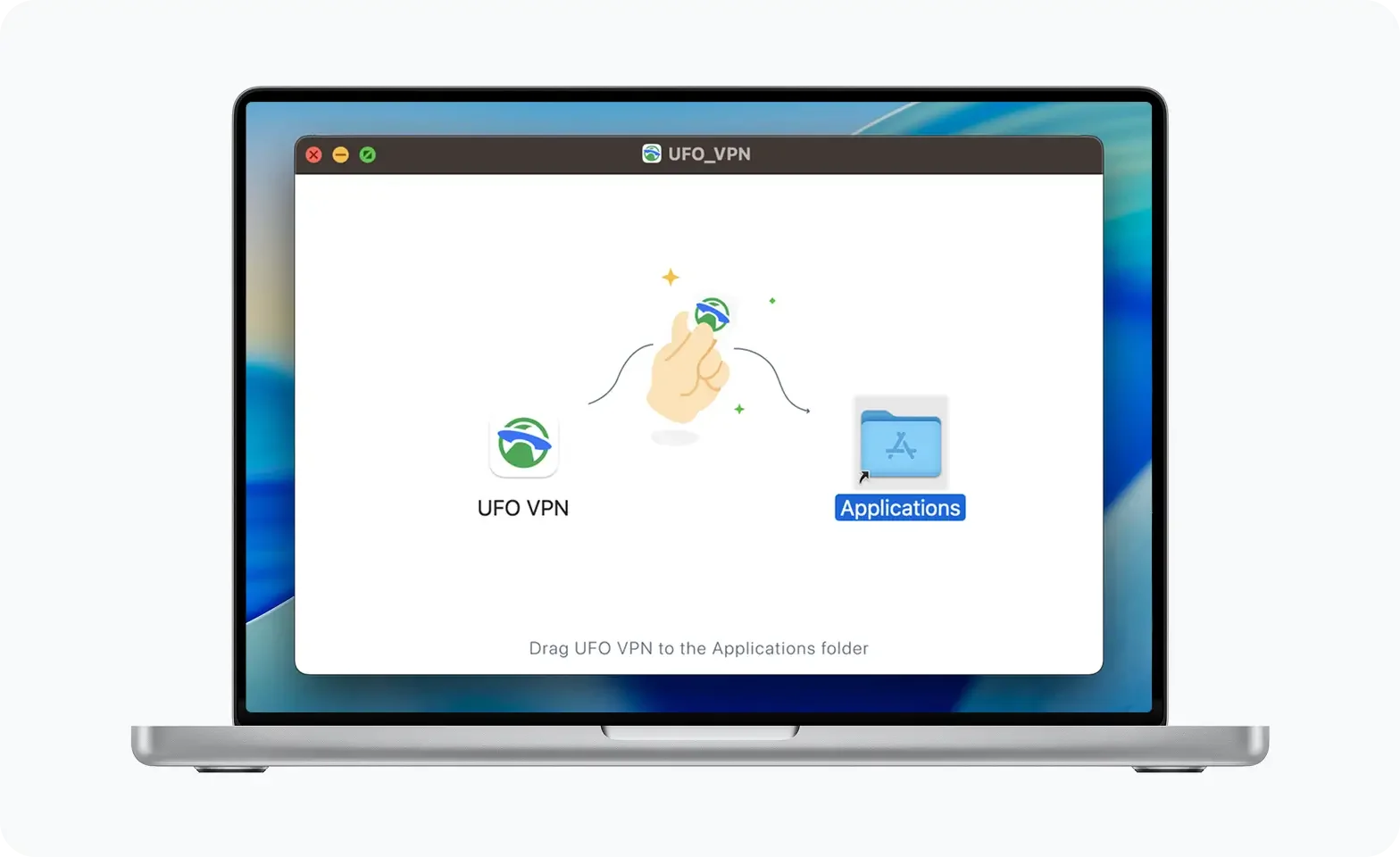
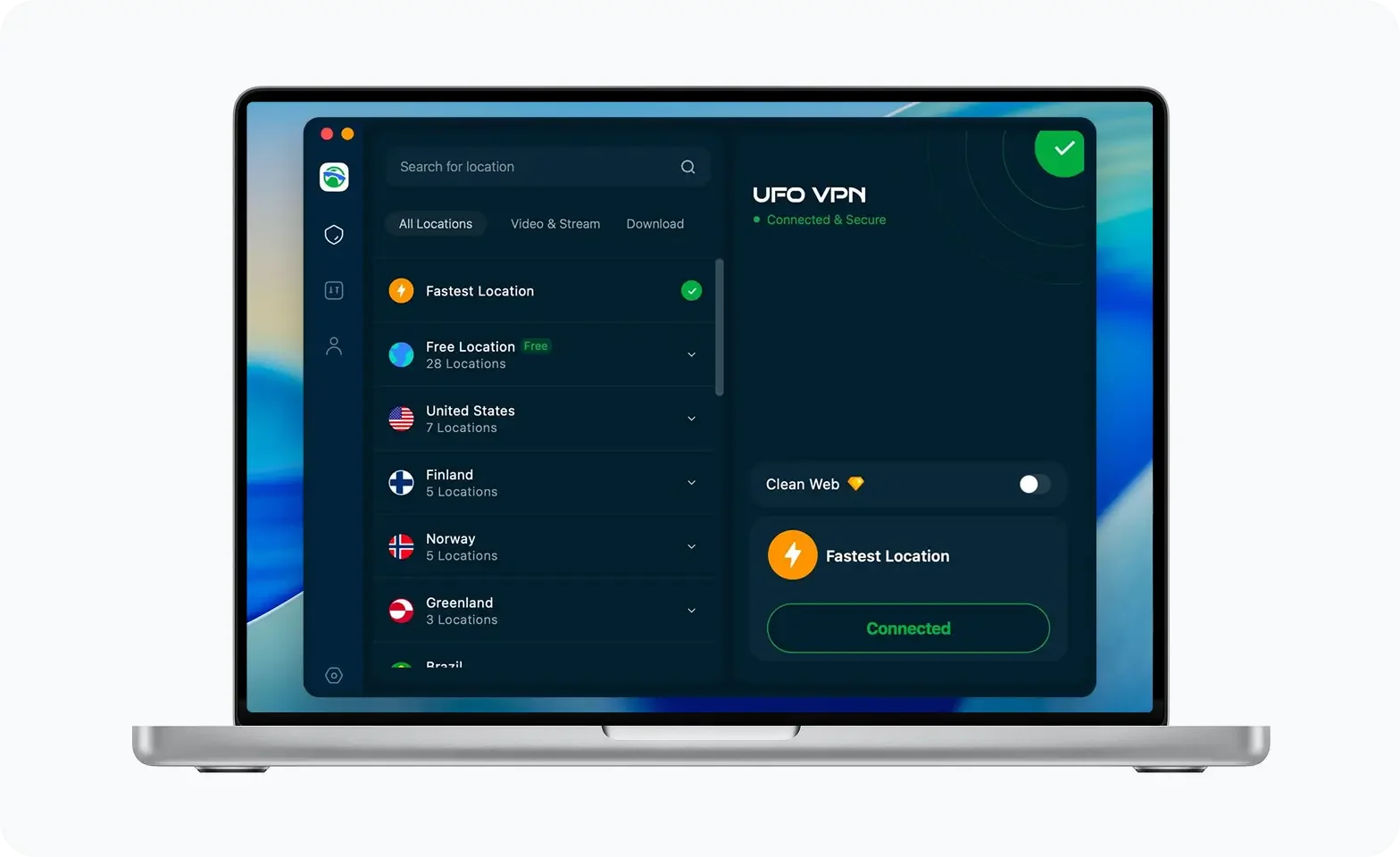
Unlock Pro Features
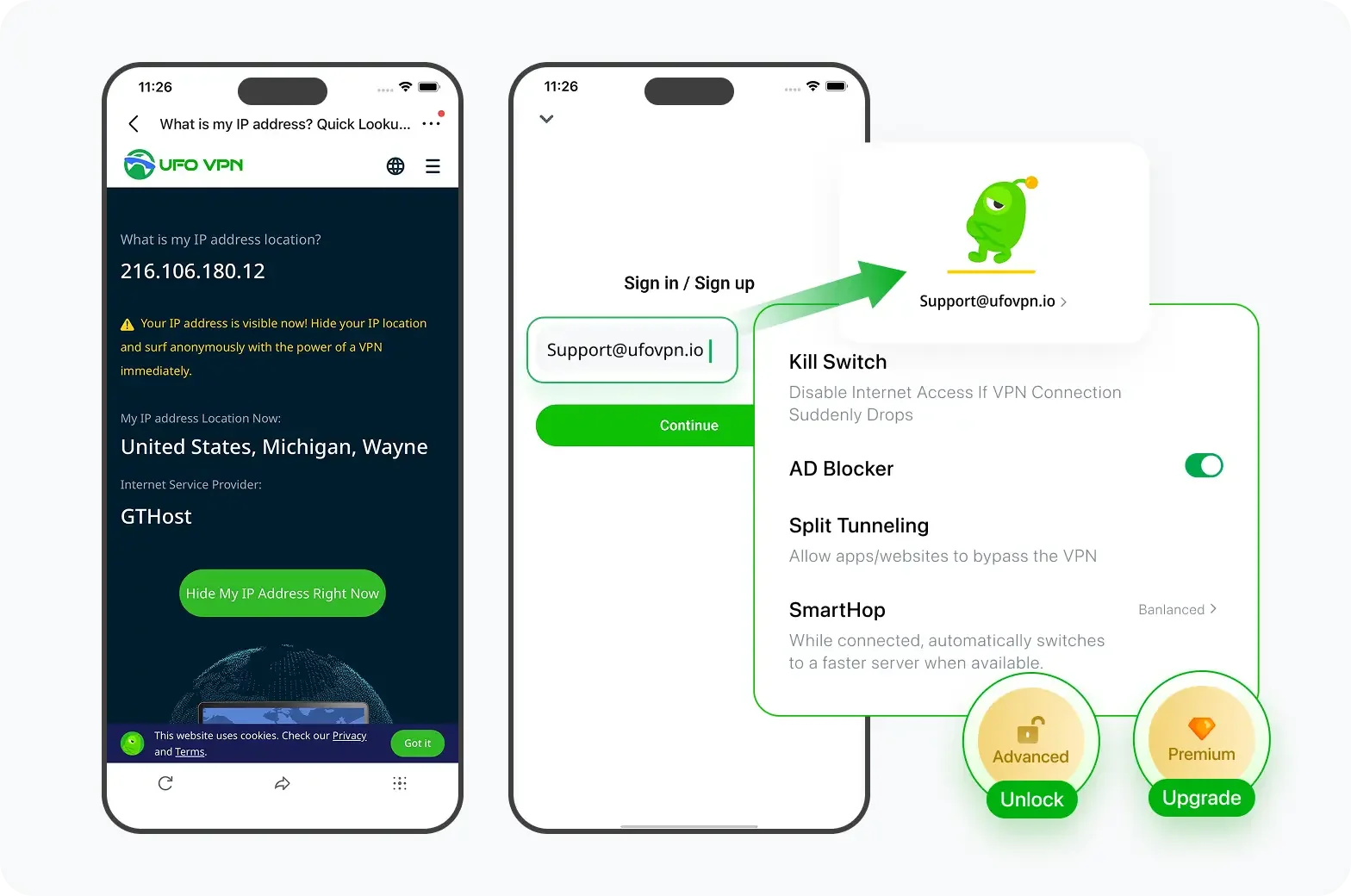
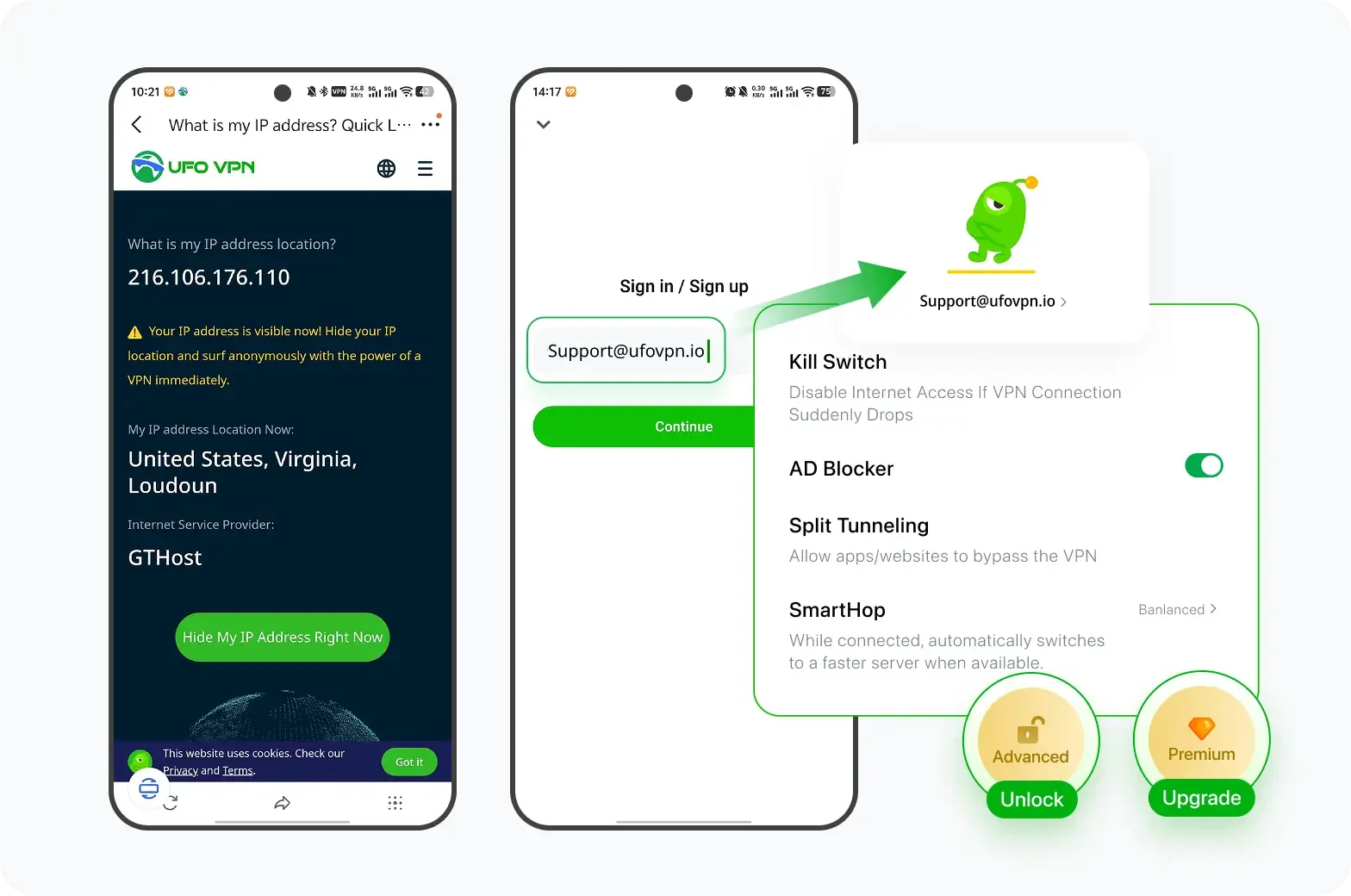
If you have upgraded to premium plan , feel free to enjoy premium servers for 4K streaming and advanced features like Kill Switch, Split Tunneling, and gaming acceleration. Your Mac is now fully optimized and protected. Inaddition to basic functions, we recommend you turn on

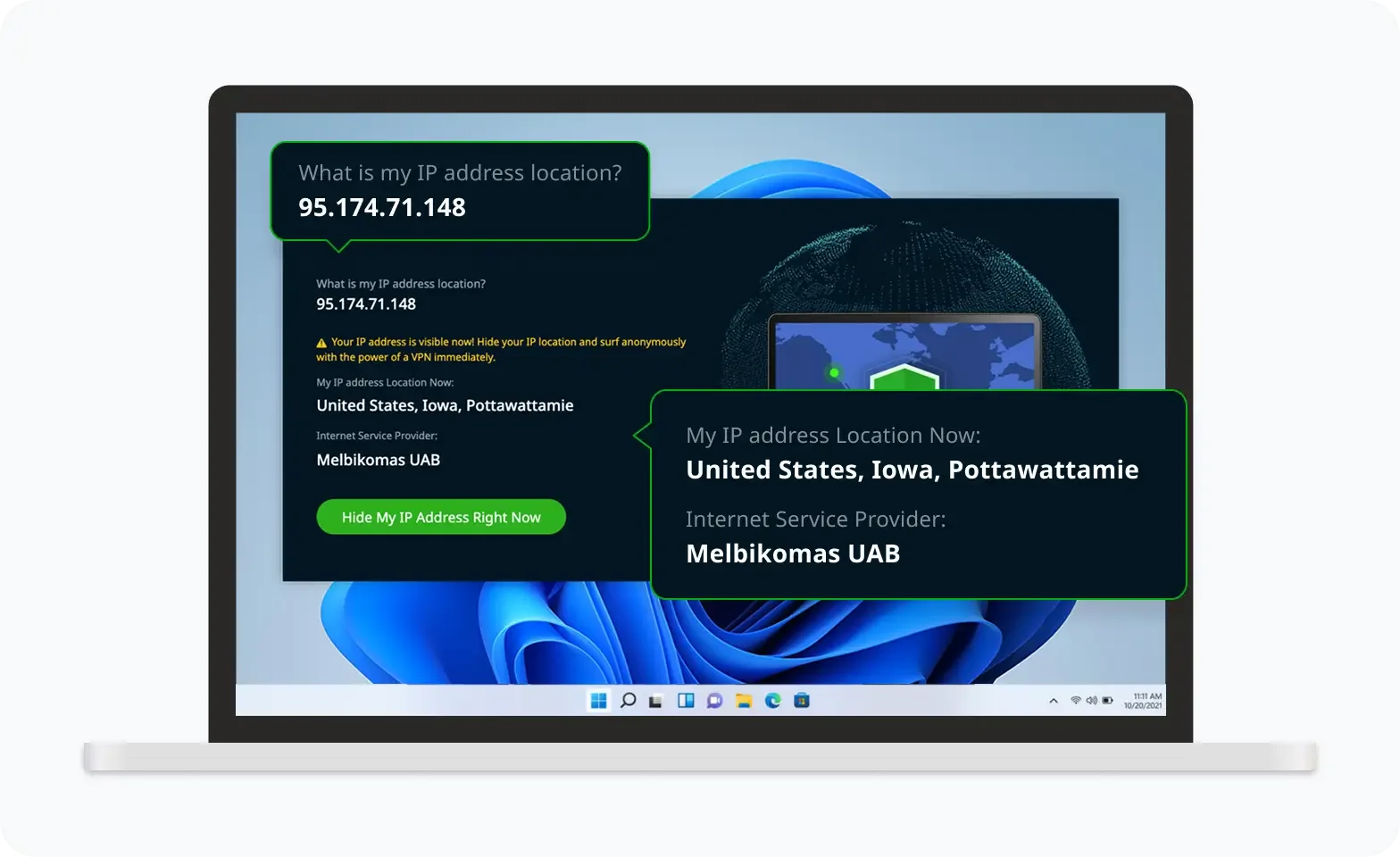
Verify Your IP Now
Use UFO VPN's " What is My IP " feature to see your new IP and location. This confirms your connection is secure, anonymous, and ready for safe browsing online anywhere at any time.

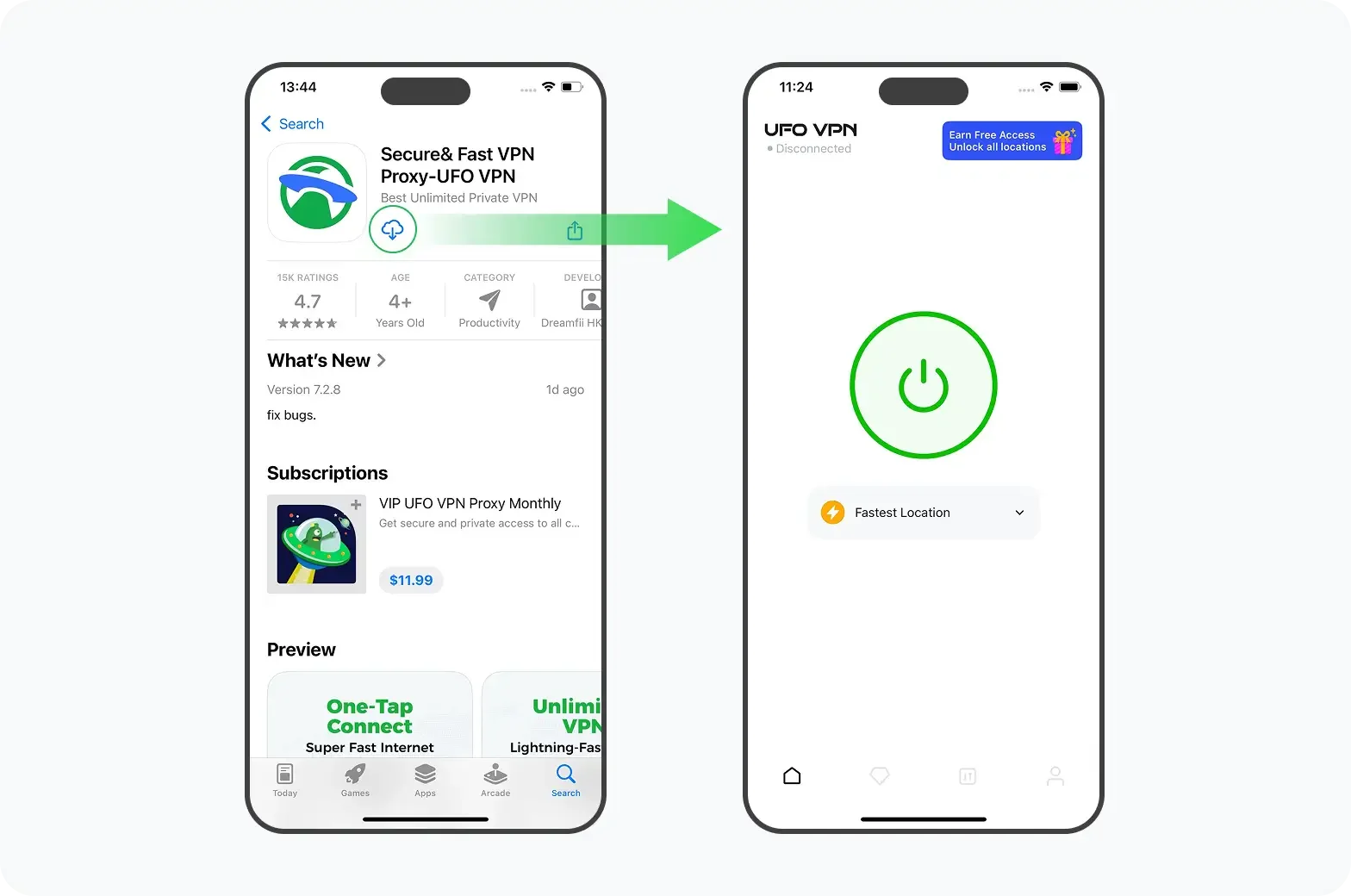
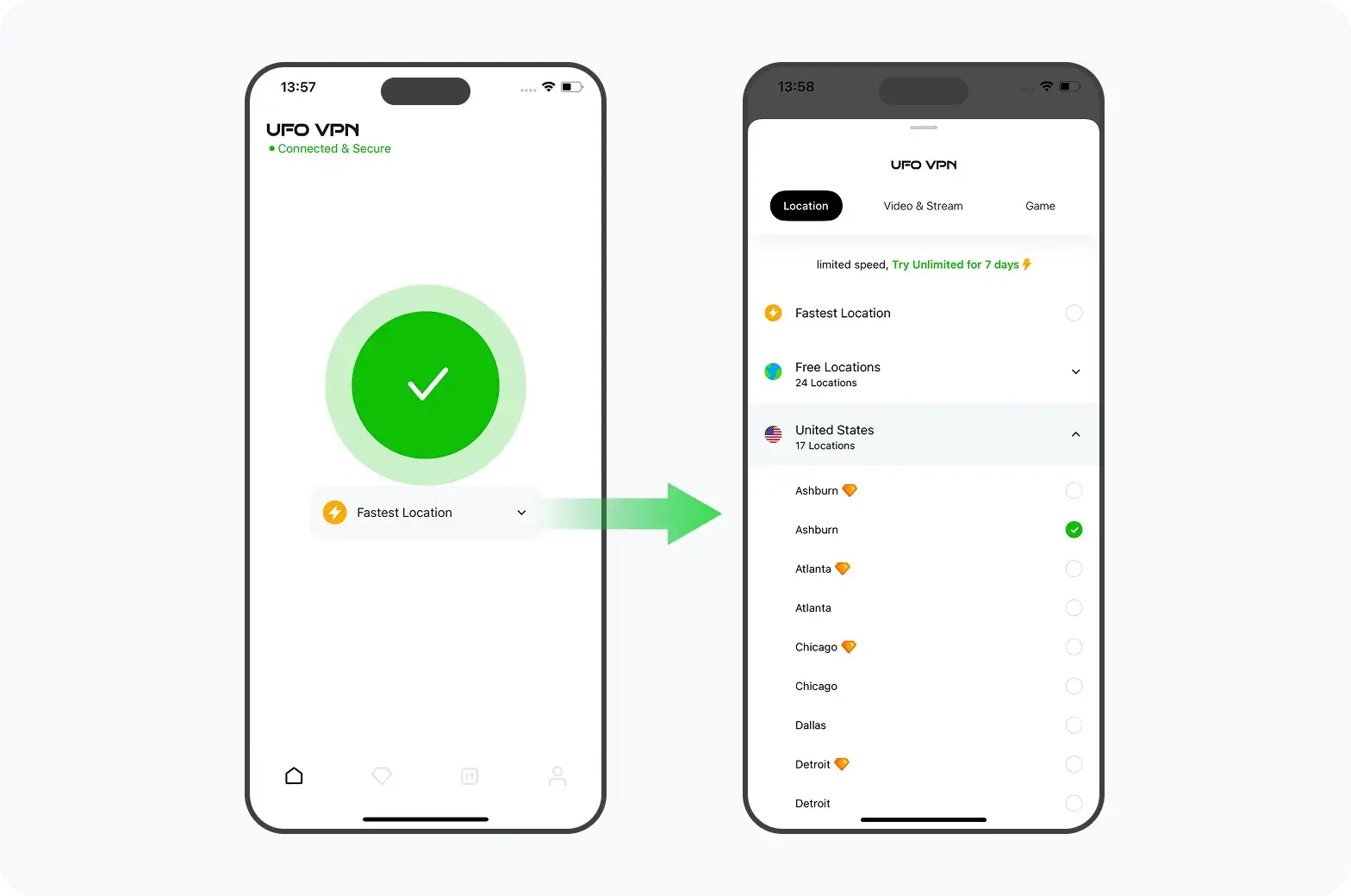
Besides maintaining a secure connection, here are five insightful tips for staying safe on sites like DeviantArt:
-
Enable Two-Factor Authentication (2FA): If the site offers it, turn it on immediately. This is your best defense against account hacking.
-
Beware of "Too Good to Be True" Commissions: A common scam on art sites involves a new user offering a huge sum of money for a simple project, then asking for a weird payment method or "fees" upfront. Always be skeptical of unsolicited, high-paying offers from blank profiles.
-
Watermark Your Work: While it won't stop determined thieves, a visible signature or watermark deters casual image scraping. Most sites have built-in options for this now.
-
Check Privacy Settings: Don't assume the defaults are in your favor. Go through your account settings to control who can message you and who can see your personal info.
-
Use Unique Passwords: Never use the same password for your art portfolio that you use for your email or banking. If one site gets breached, you don't want them having the keys to everything else.
Top 10 Alternative Sites for DeviantArt in 2026
Ready to move? Here are the top 10 communities that artists are gravitating towards this year.
1. ArtStation
Overview: If DeviantArt is a bustling public square, ArtStation is a slick, professional convention center. It has become the industry standard for concept artists, 3D modelers, game designers, and animators working in entertainment. If your goal is to get hired by a studio, you need an ArtStation profile.
🙂 Pros:
-
Studio-grade portfolio layout with a strong professional look
-
Direct access to recruiters via an industry job board
-
Monetization options for assets, brushes, and learning content
-
Preserves fine details with top-tier image quality
-
Widely trusted by game, film, and animation studios
🙁 Cons:
-
High entry pressure for beginners
-
Social interaction feels formal and restrained
-
Limited space for casual sharing or early experiments
-
Narrow focus outside entertainment industries
⭐ Best for: Concept artists, 3D artists, game and film professionals
2. Cara
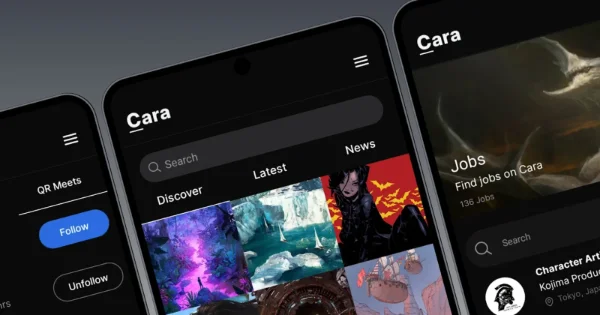
Overview: Cara is one of the newest and fastest-growing platforms on this list. It emerged specifically as a haven for artists frustrated with AI proliferation on other sites. It positions itself as a human-first social media platform for artists.
🙂 Pros:
-
Clear stance against AI-generated content
-
Prioritizes human creativity and artist rights
-
Welcoming space for process sharing and feedback
-
Calm, community-driven atmosphere
-
Clean interface with minimal distractions
🙁 Cons:
-
Still growing, with a limited audience
-
Few career-oriented tools
-
Lower discoverability compared to established platforms
-
Feature set still evolving
⭐ Best for: Artists seeking AI-free, supportive communities
3. Pinterest
Overview: Pinterest isn't a traditional portfolio site, but it is a massive visual discovery engine. While you don't really "build a community" there, it is incredible for curating inspiration boards and, more importantly, driving traffic back to your main portfolio site or shop.
🙂 Pros:
-
Exceptional tool for visual discovery and research
-
Smart recommendations fuel endless inspiration
-
Strong traffic funnel to external sites
-
Simple content organization system
-
Massive mainstream reach
🙁 Cons:
-
Not built for critique or discussion
-
Attribution can easily be lost
-
Weak identity as a personal portfolio
-
Minimal artist-to-artist interaction
⭐ Best for: Artists focused on inspiration and content promotion
4. Tumblr
Overview: Tumblr has survived many internet eras and remains a beloved home for specific artistic niches. It is fantastic for fandom art, sketches, comics, and artists who enjoy a more chaotic, free-flowing social media environment.
🙂 Pros:
-
Flexible posting across multiple media types
-
Viral sharing through reblogs
-
Strong appeal within fandoms and niche cultures
-
Encourages rough sketches and experimental posts
-
High creative freedom
🙁 Cons:
-
Aging design and usability
-
Lacks professional credibility
-
Poor monetization support
-
Engagement quality varies widely
⭐ Best for: Fandom artists, comic creators, casual sharing
5. Behance
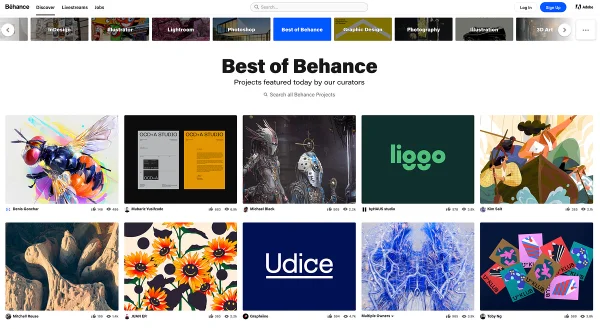
Overview: Owned by Adobe, Behance is the go-to platform for graphic designers, branding experts, UI/UX designers, and illustrators working in advertising. It focuses on long-form "case studies" rather than just single images.
🙂 Pros:
-
Seamless workflow with Adobe software
-
Ideal for presenting full design processes
-
Supports detailed project storytelling
-
Industry-recognized portfolio standard
-
Suitable for client-facing presentations
🙁 Cons:
-
Strongly design-centric
-
Weak fit for illustration-heavy portfolios
-
Corporate tone dominates
-
Limited community warmth
⭐ Best for: Graphic designers, UI/UX designers, creative agencies
6. Artmo
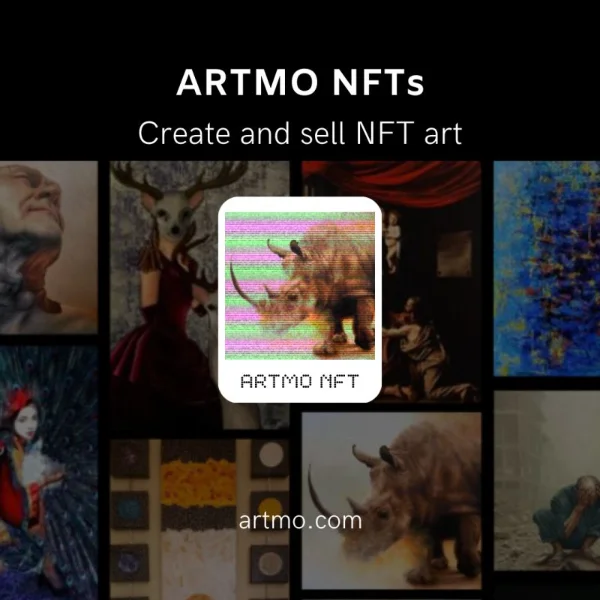
Overview: Artmo tries to bridge the gap between a professional LinkedIn-style network for the art world and a social platform like Facebook. It focuses heavily on connecting traditional fine artists with collectors and galleries.
🙂 Pros:
-
Mixes social networking with professional visibility
-
Bridges artists, collectors, and galleries
-
Welcomes traditional and physical artworks
-
Enables direct art sales
-
Expands connections beyond online creators
🙁 Cons:
-
Smaller and less active audience
-
Platform identity feels unfocused
-
Digital-first artists gain less traction
-
Marketing tools are basic
⭐ Best for: Fine artists and traditional media creators
7. Flickr
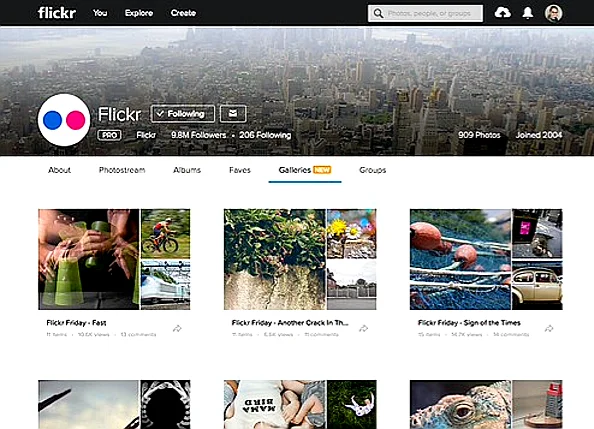
Overview: While often thought of as just a photo storage site, Flickr remains one of the strongest communities for photographers. If your medium is a camera rather than a tablet, this is still a premier destination.
🙂 Pros:
-
Exceptional support for large image files
-
Advanced photo organization tools
-
Detailed technical data display
-
Deeply established photography groups
-
Strong peer connections for photographers
🙁 Cons:
-
Little relevance beyond photography
-
Low engagement for other art forms
-
Not commerce-oriented
-
Weak appeal for concept or design work
⭐ Best for: Professional and hobbyist photographers
8. Newgrounds
Overview: Newgrounds is a true survivor of the old internet. It has a very specific, often edgy vibe, focusing on flash animation (now HTML5), indie games, and the art that surrounds that culture.
🙂 Pros:
-
Multi-format support for games and animation
-
Community-driven rating system
-
Loyal, culture-rich user base
-
Welcomes unconventional creativity
-
Strong nostalgic identity
🙁 Cons:
-
Acquired-taste community style
-
Visually dated platform
-
Few professional opportunities
-
Limited mainstream exposure
⭐ Best for: Indie animators, game creators, experimental artists
9. Instagram
Overview: You can't ignore the giant in the room. While not specifically an "art site," Instagram is where the biggest audience is. Many artists use it as their primary way to connect with fans, despite its drawbacks.
🙂 Pros:
-
Unmatched global visibility
-
Strong storytelling through short-form content
-
Easy fan and client communication
-
High engagement potential
-
Trend-driven exposure
🙁 Cons:
-
Algorithm controls reach unpredictably
-
Image quality is heavily compressed
-
Weak as a formal portfolio
-
Oversaturated with non-art content
⭐ Best for: Artists focused on audience growth and social presence
10. Ko-fi
Overview: Ko-fi is not a traditional art community or portfolio platform. Instead, it works as a creator support and monetization tool. It allows artists to receive tips, sell commissions, digital products, or memberships directly to fans. Many artists use Ko-fi alongside other platforms, linking it from sites like Instagram, ArtStation, or Cara to turn followers into supporters.
🙂 Pros:
-
Simple way to accept tips and one-time donations
-
No platform fees on basic transactions
-
Supports commissions, digital products, and memberships
-
Clean, creator-focused interface with no ads
-
Easy to integrate with social media and portfolio sites
🙁 Cons:
-
Not a discovery or community-driven platform
-
No built-in audience growth tools
-
Relies heavily on external traffic
-
Limited portfolio presentation features
⭐ Best for:
Independent artists, illustrators, and creators who already have an audience and want a simple way to monetize their work
Sites Similar to DeviantArt Without AI Art
A major concern for artists in 2026 is avoiding platforms overwhelmed by AI-generated content. Most creators want to compete with other humans—not algorithms—and they don’t want their work used to train AI models without clear consent.
While DeviantArt still offers many useful features, its growing volume of AI-generated imagery has become frustrating for long-time users. If you prefer to stay on the platform rather than leave it entirely, one practical option is to turn off DeviantArt AI content in your settings.
If a "human-made only" space is your top priority, your best options right now are platforms that have taken a hard stance. Cara (mentioned above) is currently the leader in this space, explicitly banning AI generations and building its entire identity around protecting human creativity.
Other platforms like ArtStation have implemented tagging systems and filters to try and separate AI work, but many users feel this isn't enough. Smaller, niche forums and communities often have stricter anti-AI rules than the giant platforms. When researching sites like DeviantArt, always check their current Terms of Service regarding AI to see if it matches your comfort level.
I’m also looking for an art community, and it’s just pissing me off how much DeviantArt is holding AI art on a pedestal. But, for now, I’m using DeviantArt and Ko-fi as a portfolio.

Bonus Tips to Use DeviantArt Alternatives
Switching platforms is a bit like moving house. It takes effort. Here are a few tips to make the transition smoother:
-
Don't Spread Yourself Too Thin: It is tempting to join all ten sites listed above. Don't. You will burn out trying to maintain them all. Pick one for your professional portfolio (like ArtStation or Behance) and perhaps one for social community (like Cara or Tumblr).
-
Curate Your Work: Don't just dump your entire hard drive onto a new site. Treat your new profile as a "best of" collection. Quality over quantity gets you noticed.
-
Secure Your Connection: Remember, when you are building a new digital home, you want the foundation to be secure. Ensure your uploads are fast and your data is safe from prying eyes, especially when working remotely, by utilizing a trusted secure connection tool.
To Conclude
The question isn't "Is DeviantArt down or dead?" but rather " Is DeviantArt still right for me?" The digital art world in 2026 is fractured into many different communities, each serving a different purpose.
There is no single "best" alternative. The best site for a lead character designer at a gaming studio is completely different from the best site for a watercolor hobbyist. By identifying your goals—whether it's industry employment, finding a supportive tribe, or just escaping AI clutter—you can find a new digital home among these sites like DeviantArt that will help you thrive as an artist. Don't be afraid to experiment with a few and see where you feel most welcome.
FAQs
Are people still using DeviantArt?
Yes, absolutely. Despite its decline in popularity among certain groups, it still boasts millions of active users and a massive archive of content. It remains a significant, though changed, player in the art world.
Is the DeviantArt app shutting down?
As of 2026, there are no official plans for the DeviantArt app to shut down. Like any tech company, they frequently update or change features, but the platform itself remains active.
Which DeviantArt Alternative site is best for beginners?
For absolute beginners looking for a supportive, lower-pressure environment, Tumblr or newer communities like Cara are great places to start sharing art without the intimidating professional pressure of sites like ArtStation.
Can I post the same art on multiple sites like DeviantArt?
Yes, you generally retain the rights to your artwork and can post it on as many platforms as you wish. In fact, many professional artists maintain an ArtStation for job hunting, an Instagram for fan engagement, and a Cara profile for community.
Are there sites like DeviantArt without AI art?
Yes. Cara is currently the most prominent platform specifically dedicated to being AI-free. Many other platforms are continually adjusting their policies, so it is important to check the current rules of any site you join.