
Why Hotel Wi-Fi Can Be Risky
Weak or Outdated Encryption
Not all Wi-Fi is created equal. Many hotels still rely on older security protocols like WPA2, and some even run completely unencrypted networks. This leaves data transmissions vulnerable to interception. If a hacker is sitting on the same network, they may be able to “sniff” your traffic and steal valuable information such as login credentials or payment details.
Outdated Hardware & Network Configs
Hotel IT departments aren’t always quick to upgrade. Routers and access points may run on outdated firmware, making them more susceptible to exploits. Poorly configured networks, such as those using the same password for every guest to create an open door for cybercriminals to snoop on devices connected to the same system.
Fake “Evil Twin” Networks
One of the biggest threats travellers face is the so-called “evil twin” network. Hackers set up a hotspot with a name that looks legitimate, such as “HotelGuest-WiFi,” tricking users into connecting. Once you join, the attacker can monitor everything you do online, capture your login details, and even inject malware into your downloads.
Top Hotel Wi-Fi Security Risks
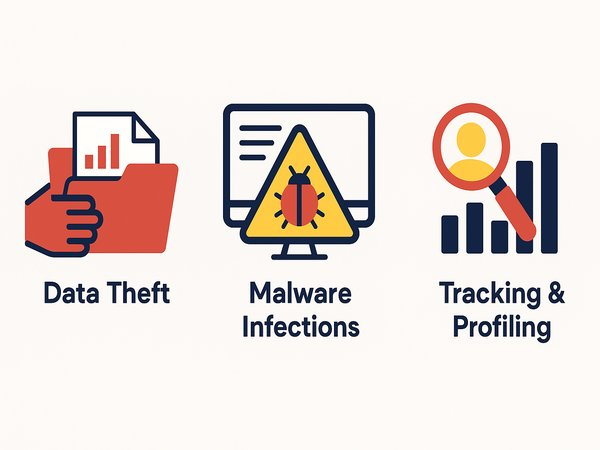
When you connect to hotel Wi-Fi without taking precautions, you expose yourself to several risks:
- Data Theft – Hackers can steal personal data, credit card numbers, and even work files through eavesdropping or fake login portals.
- Malware Infections – Compromised networks can deliver malware disguised as pop-ups or downloads. Once installed, it can damage your device or steal sensitive data.
- Tracking & Profiling – Hotels themselves, or third-party advertisers, may use captive portals and cookies to monitor your browsing habits, building a profile of your online behaviour.
These risks are real, but the good news is that there are effective ways to defend yourself.
How to Stay Safe on Hotel Wi-Fi
Use a VPN for Encryption
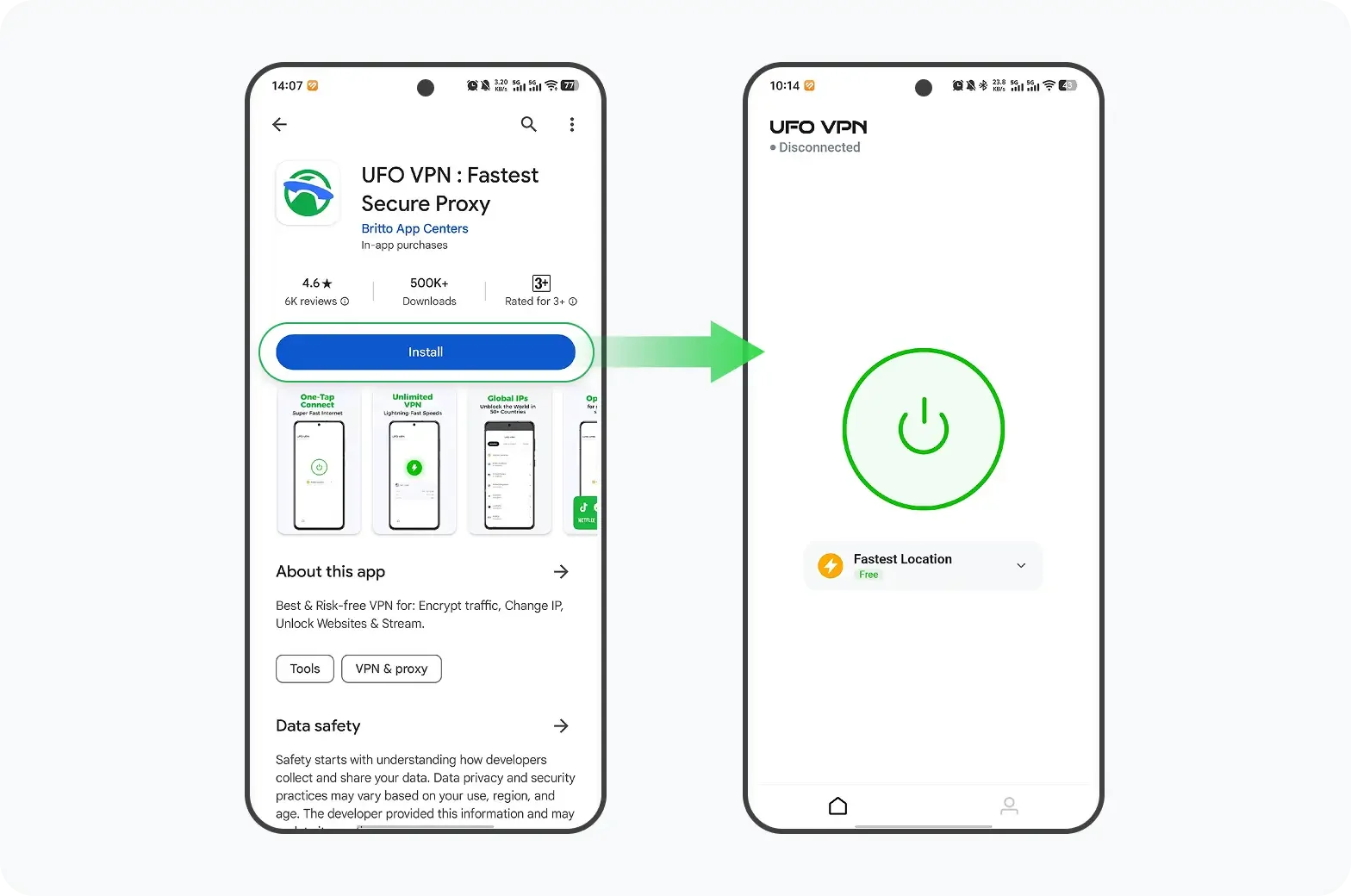
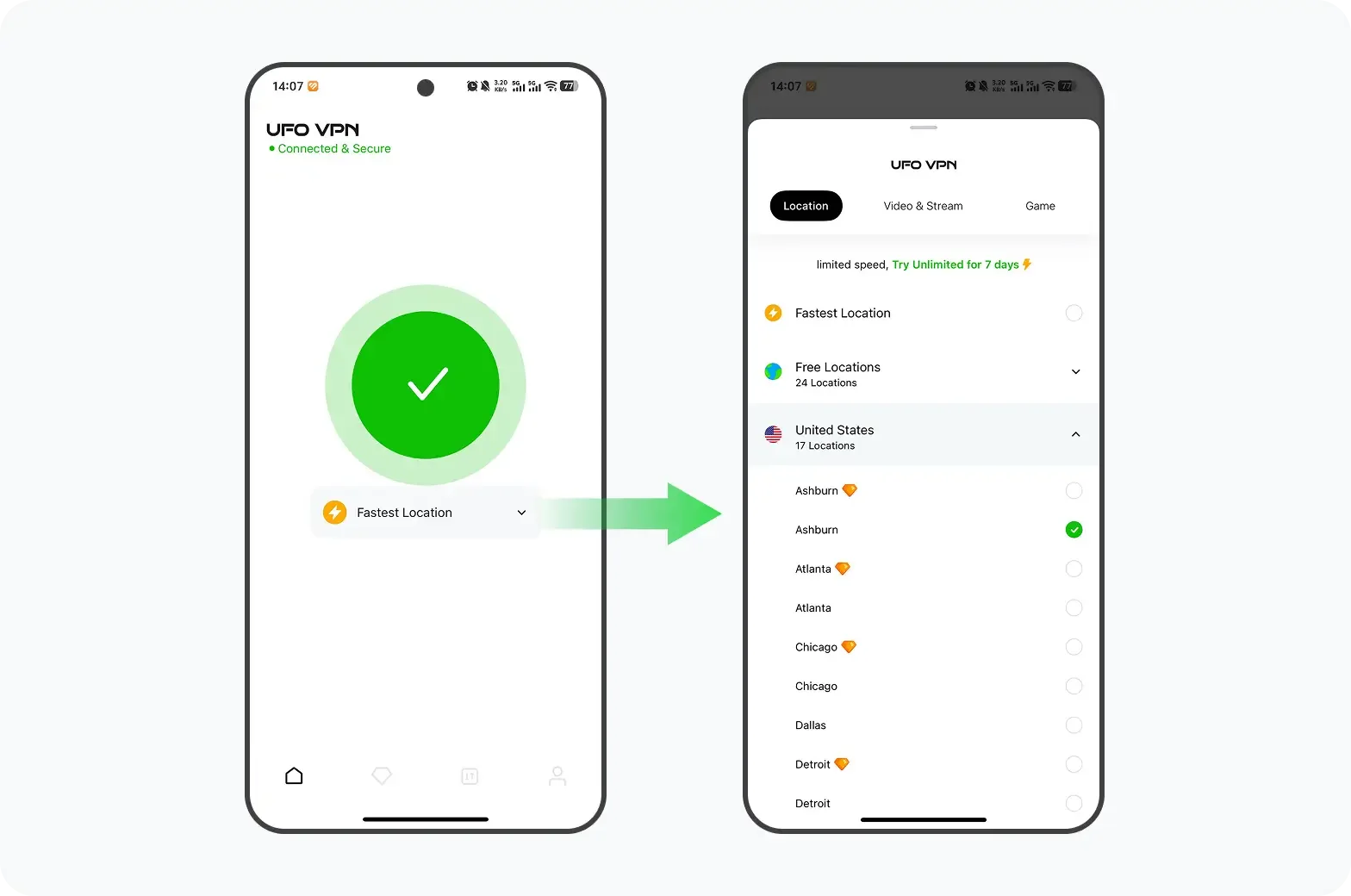
The single most effective tool you can use is a VPN. A VPN creates an encrypted tunnel for your internet traffic, hiding your data from prying eyes even if the Wi-Fi network itself is compromised. With a VPN active, such as a free proxy VPN in UFO VPN, hackers can’t read your emails, intercept your passwords, or see what sites you’re visiting.
Stick to HTTPS Sites
Always look for the padlock symbol in your browser. HTTPS sites encrypt your communication, making it much harder for attackers to tamper with or steal your information. While HTTPS alone doesn’t protect against all threats, it’s far safer than browsing on unsecured HTTP sites.
Double-Check Network Names & Captive Portals
Before connecting, confirm the official Wi-Fi network name with the front desk or hotel staff. Don’t assume “HotelFreeWiFi” is legitimate, attackers count on you making that assumption. Be cautious with captive portals (the login pages you sometimes see before connecting). If it looks suspicious or asks for unnecessary personal information, think twice before proceeding.
Enable Device Firewalls & Updates
Keep your devices updated with the latest patches, and make sure your firewall is enabled. These small steps add an extra layer of protection against unauthorized access attempts or known exploits.
Avoid Sensitive Tasks on Unknown Networks
If possible, save online banking, shopping, or accessing confidential work documents for when you’re on a secure connection. Hotel Wi-Fi is fine for browsing the news or streaming shows, but do NOT take unnecessary risks with sensitive activities.
What If You’ve Already Connected? How to Minimize Risk
Maybe you’ve already logged onto hotel Wi-Fi before reading this. Don’t panic, there are still steps you can take to reduce potential harm:
Step 1: Run a malware scan – Use your antivirus or anti-malware program to detect any suspicious activity.
Step 2: Change your passwords – If you suspect compromise, update passwords for critical accounts like email or banking.
Step 3: Check recent account activity – Review login histories to spot unauthorized access attempts.
Step 4: Disconnect and switch networks – If the Wi-Fi feels suspicious, disconnect and consider using mobile data or a personal hotspot.
Step 5: Report concerns – Let the hotel staff or IT team know if you think their network is compromised.
Conclusion
So, is hotel Wi-Fi safe? The honest answer: not entirely. While it’s incredibly convenient, these networks often have weak defences that leave travelers exposed to hacking, data theft, and tracking. The good news is that you don’t have to give up hotel Wi-Fi altogether. By using a VPN, verifying networks, sticking to HTTPS, and keeping your devices updated, you can dramatically reduce your risks.
Next time you check into a hotel, remember: Browse smart, protect your data, and enjoy your travels without worry.
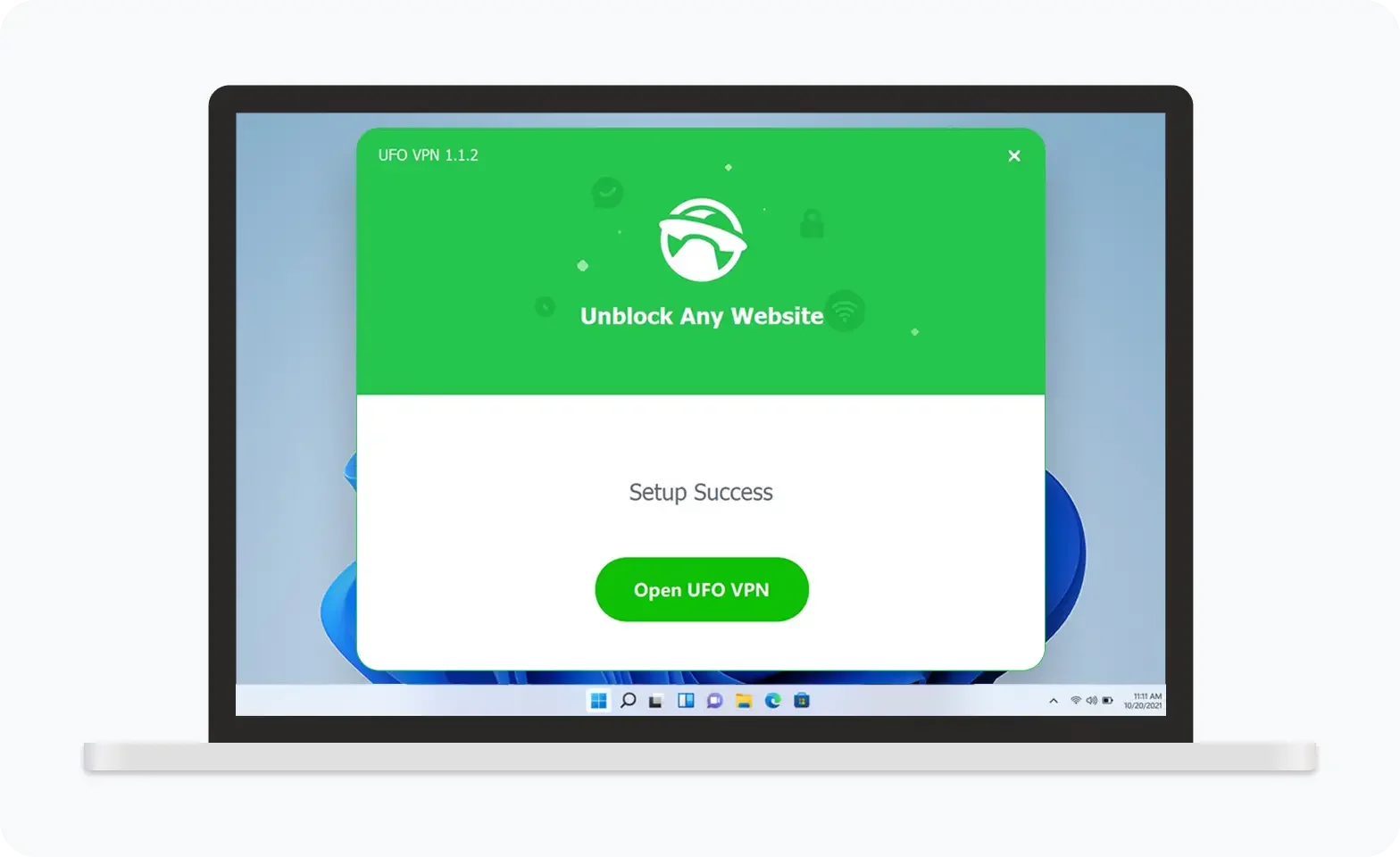
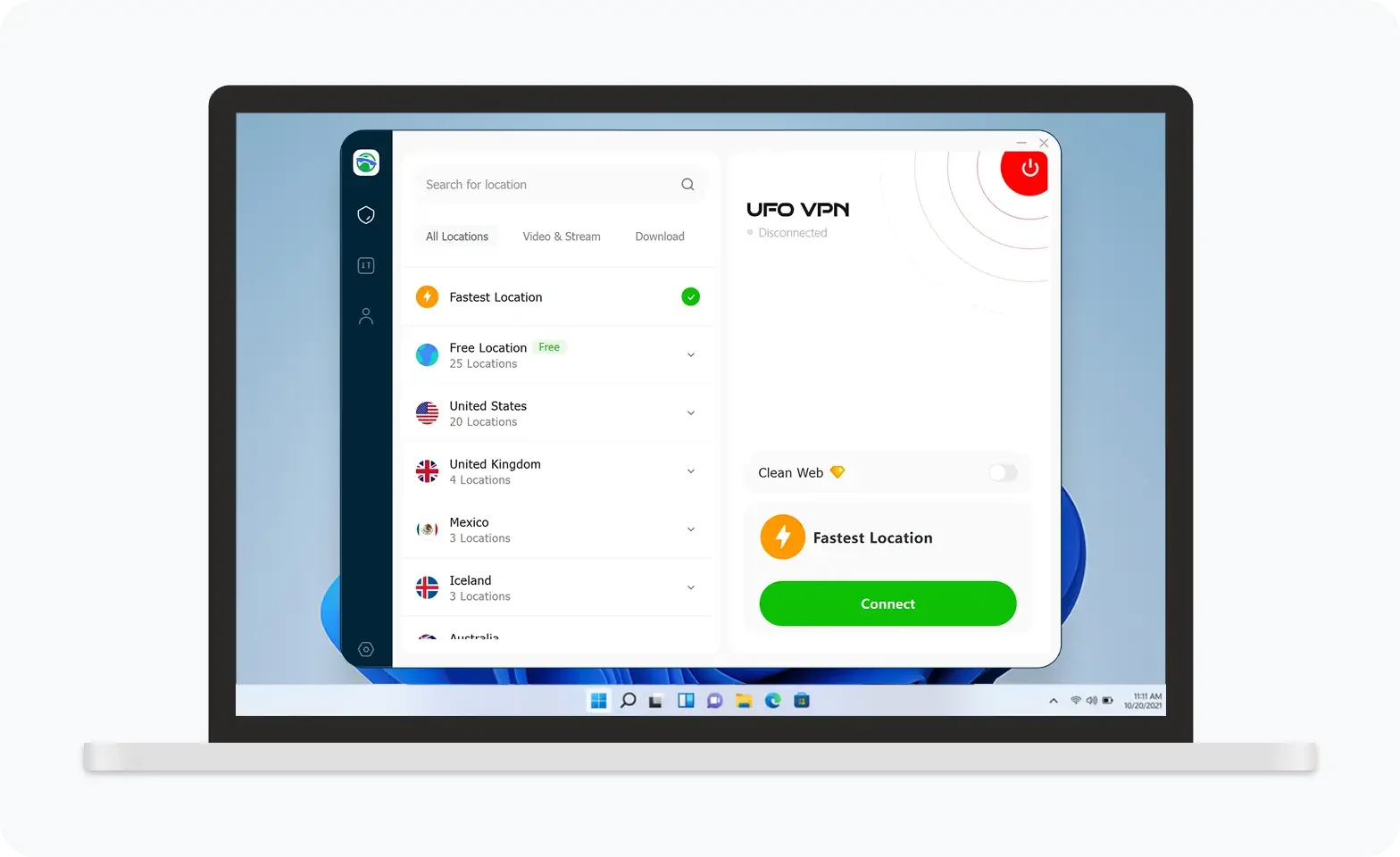
UFO VPN is an all-in-one VPN that offers unlimited access to 4D streaming like Netlfix, Disney Plus, no-ping gaming as PUBG, Roblox, CODM and social networking for YouTube, X, Facebook and more.
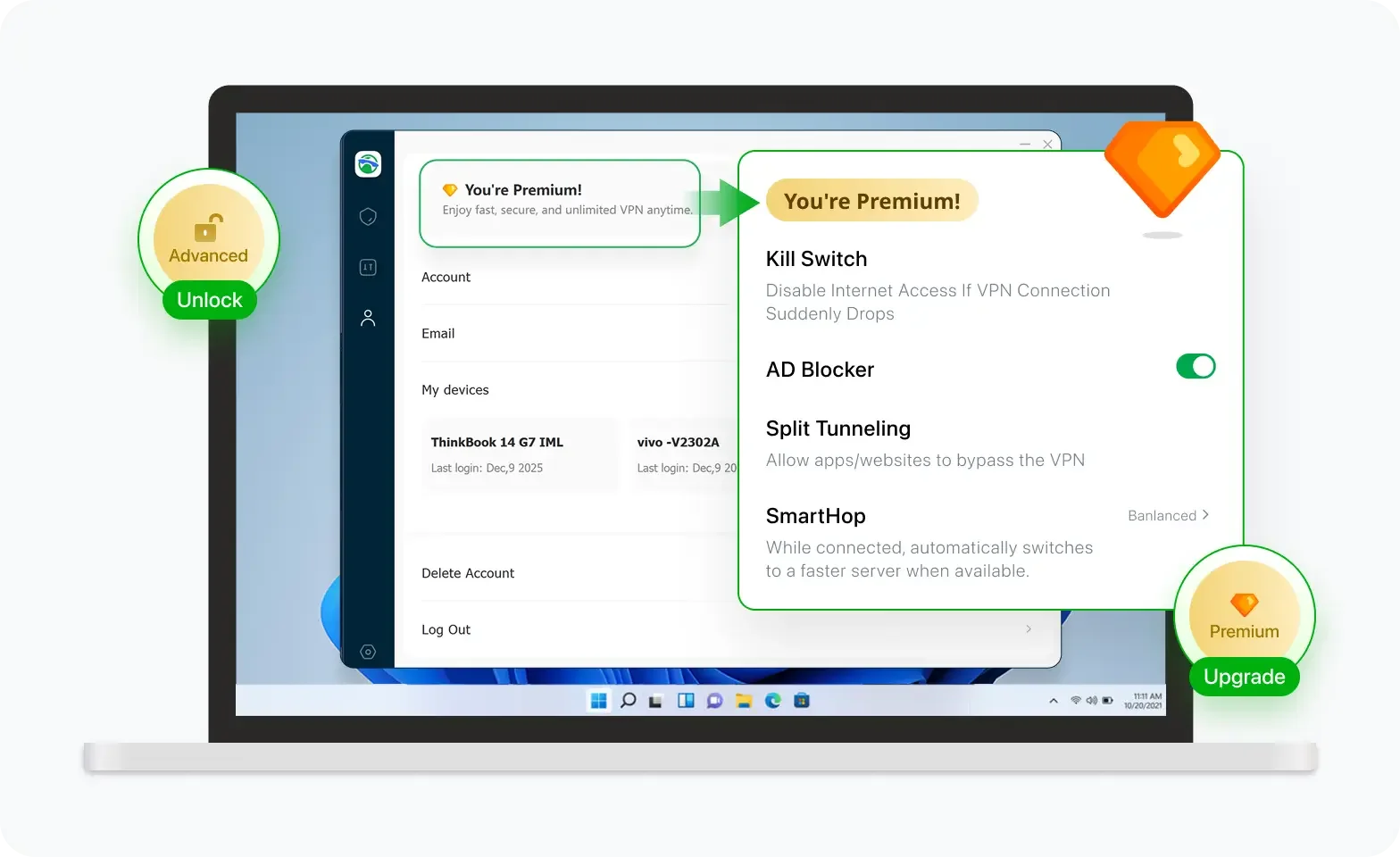
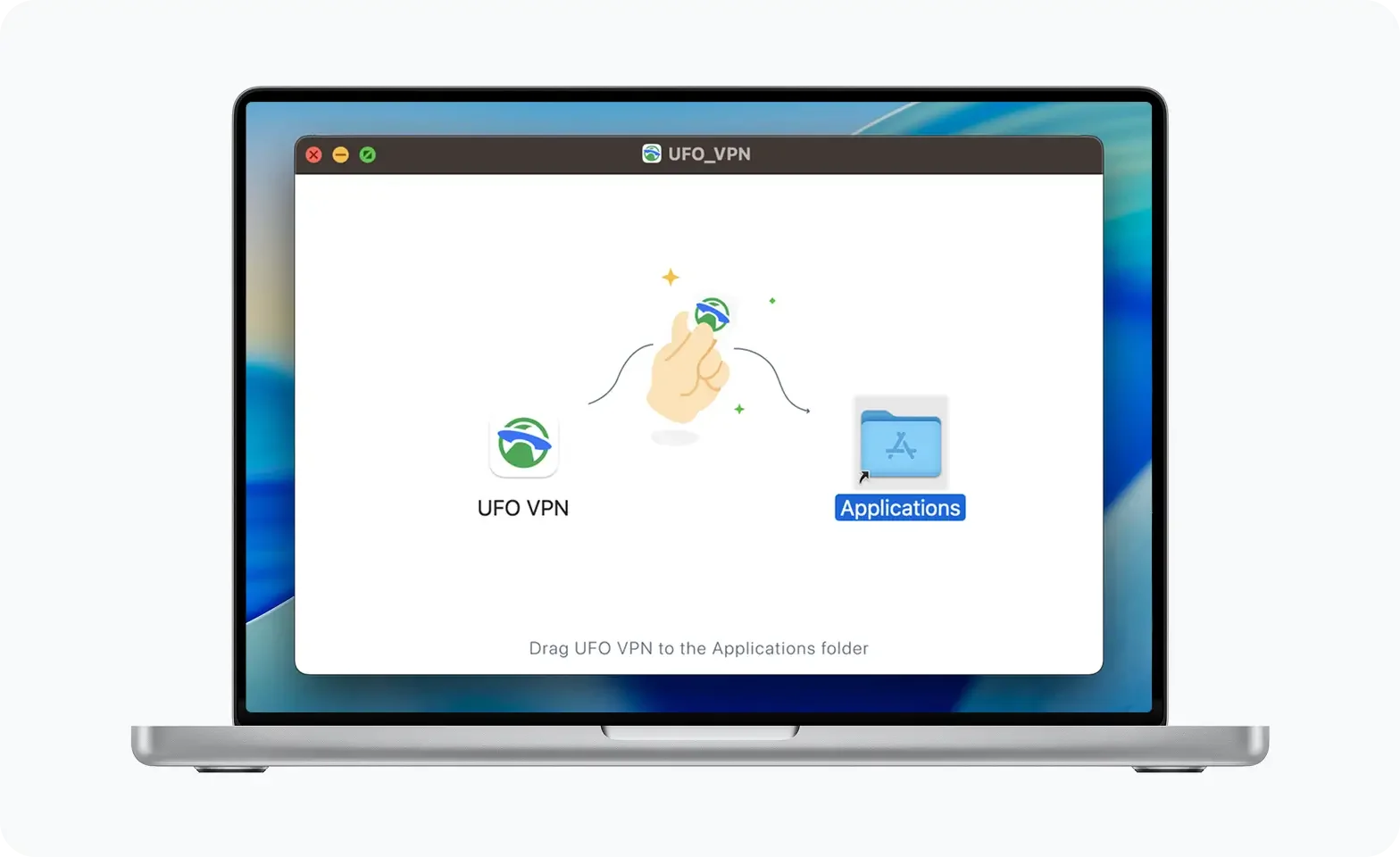
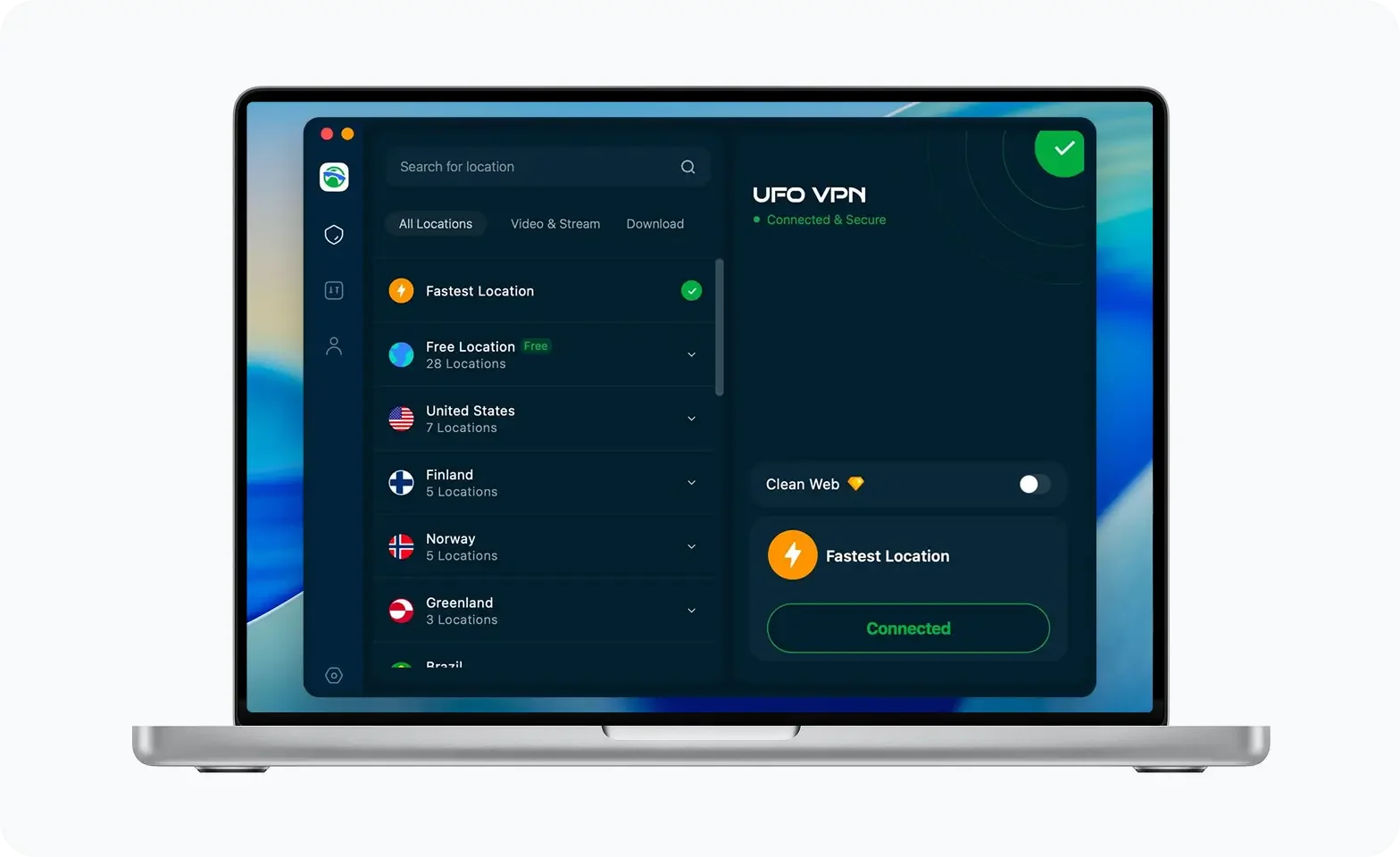
Unlock Pro Features
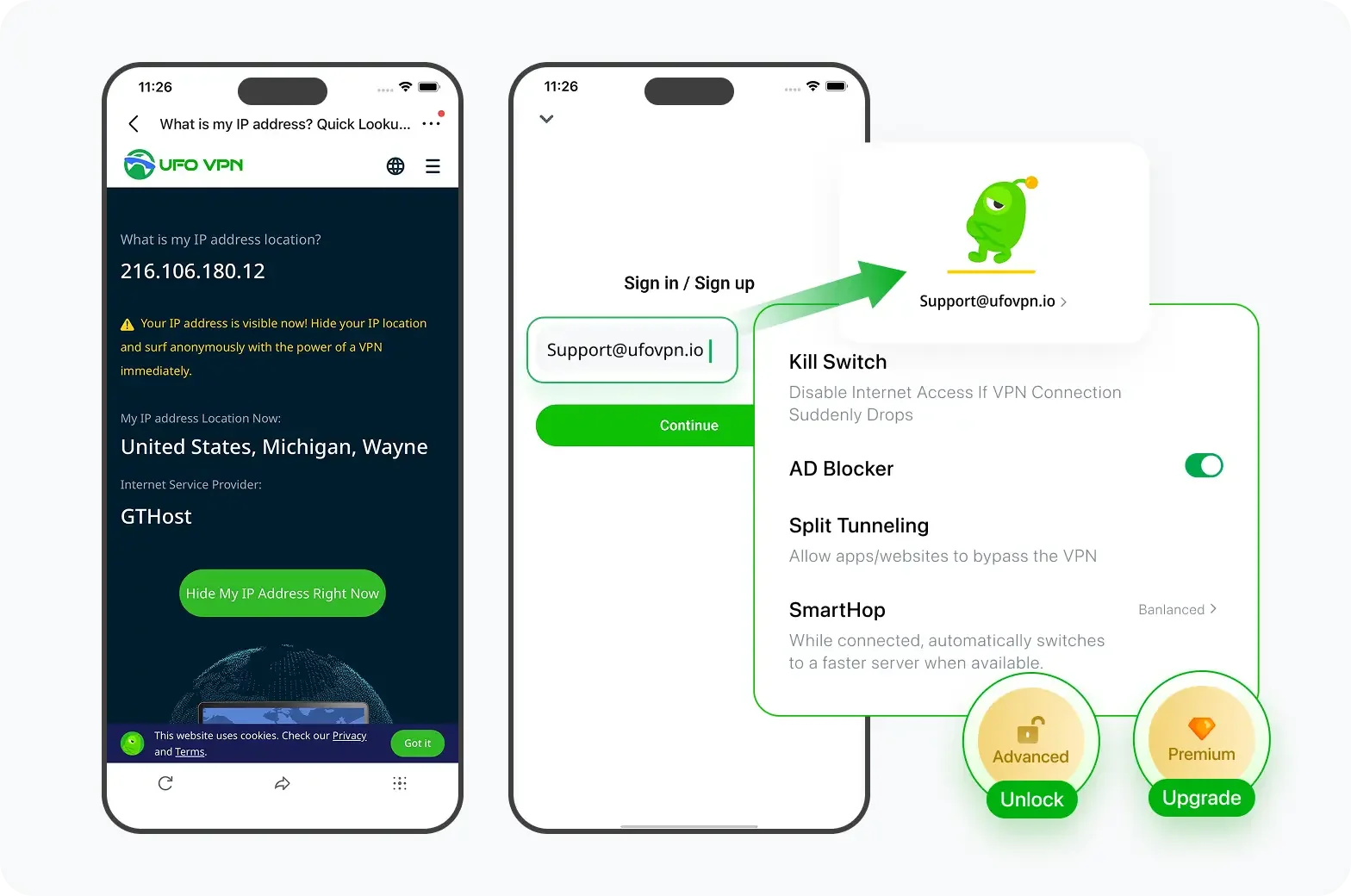
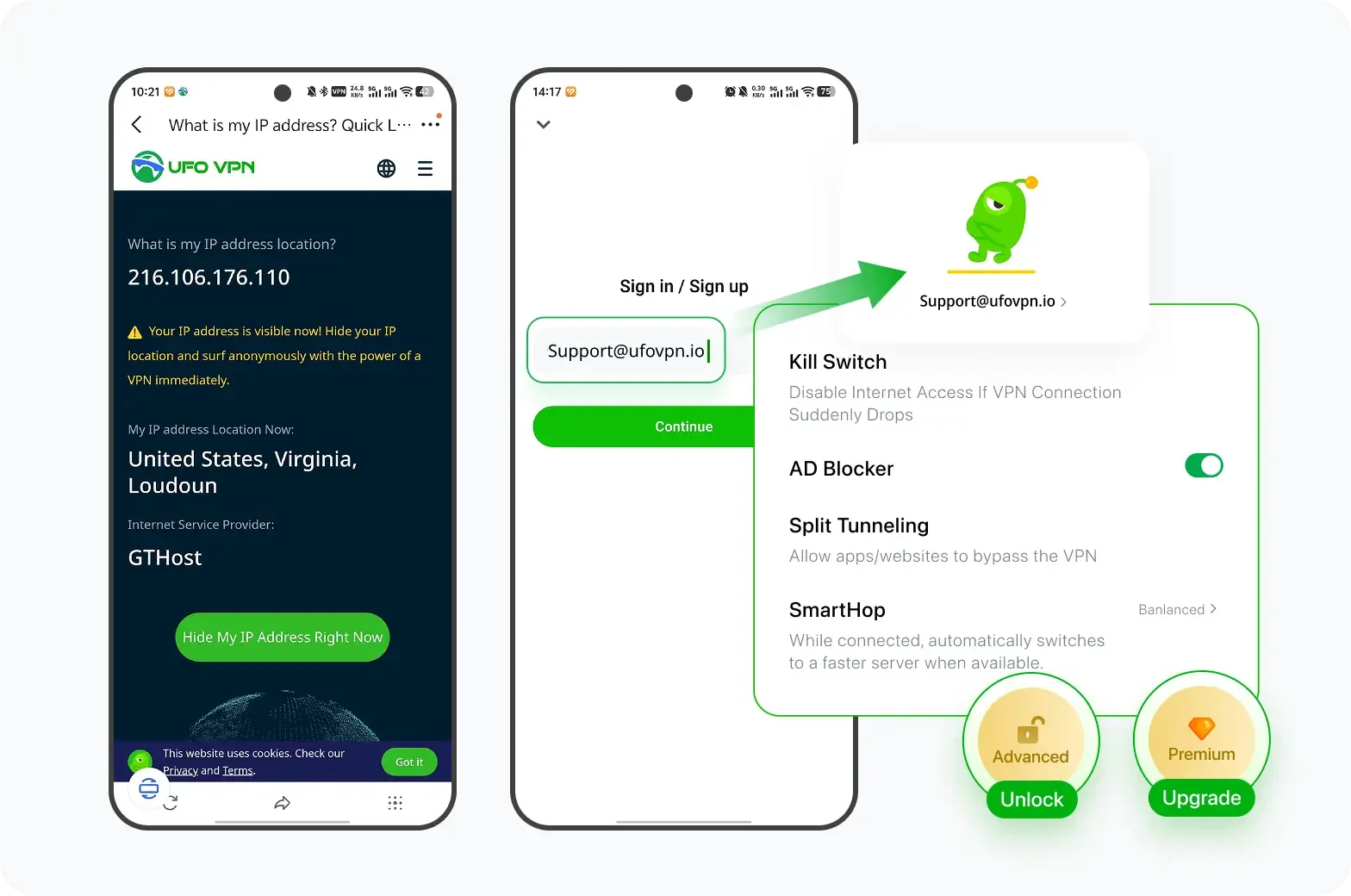
If you have upgraded to premium plan , feel free to enjoy premium servers for 4K streaming and advanced features like Kill Switch, Split Tunneling, and gaming acceleration. Your Mac is now fully optimized and protected. Inaddition to basic functions, we recommend you turn on

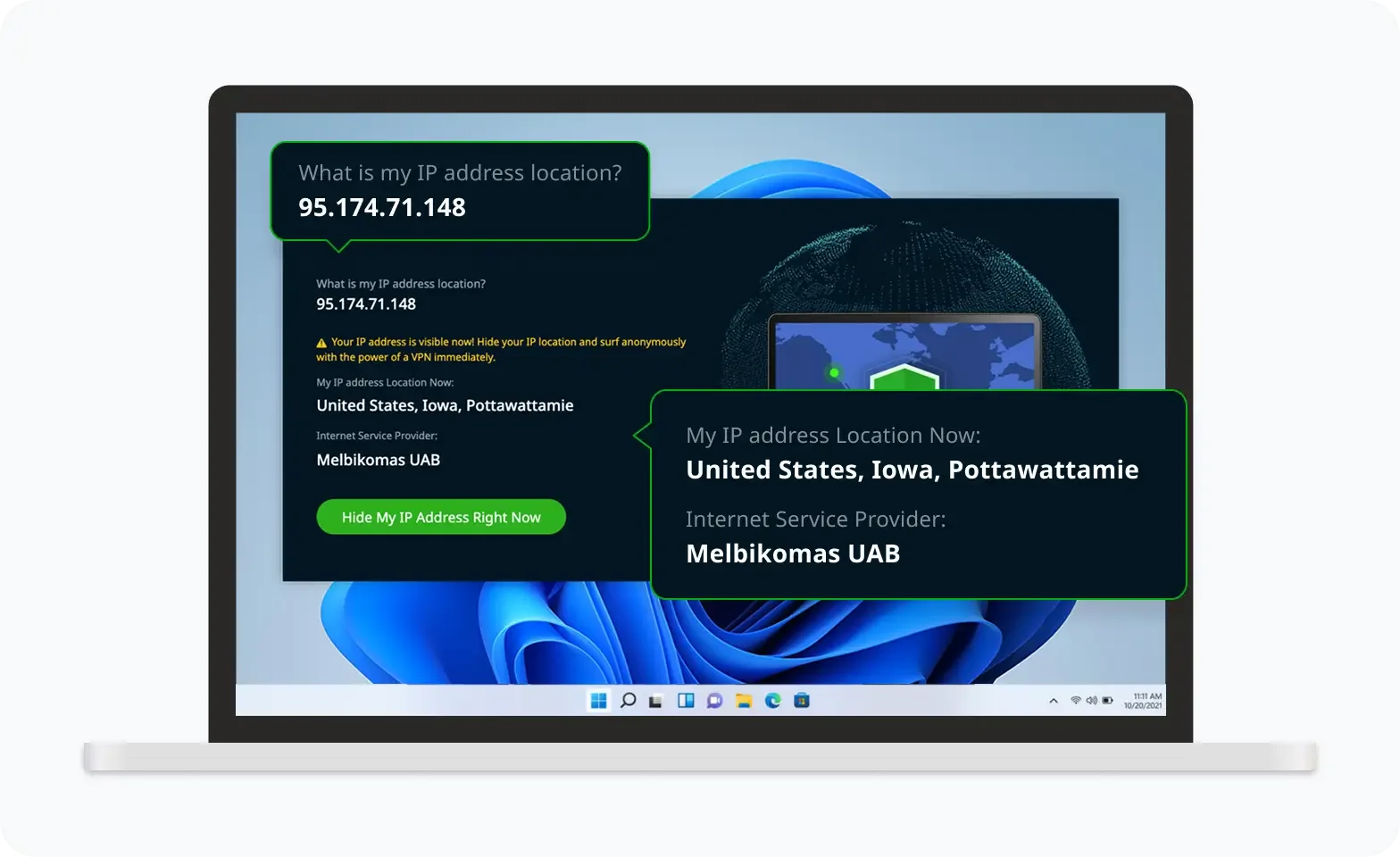
Verify Your IP Now
Use UFO VPN's " What is My IP " feature to see your new IP and location. This confirms your connection is secure, anonymous, and ready for safe browsing online anywhere at any time.

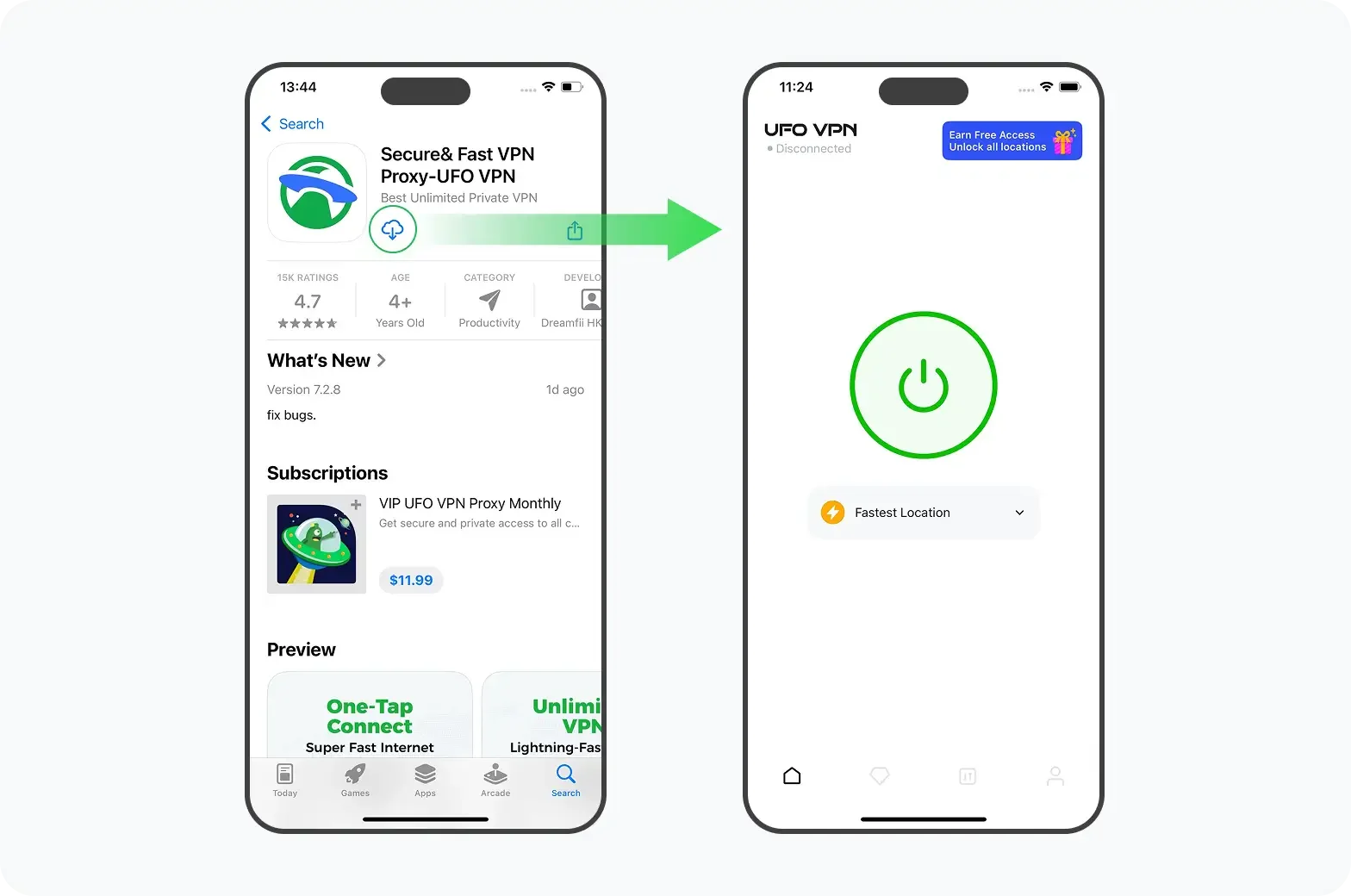
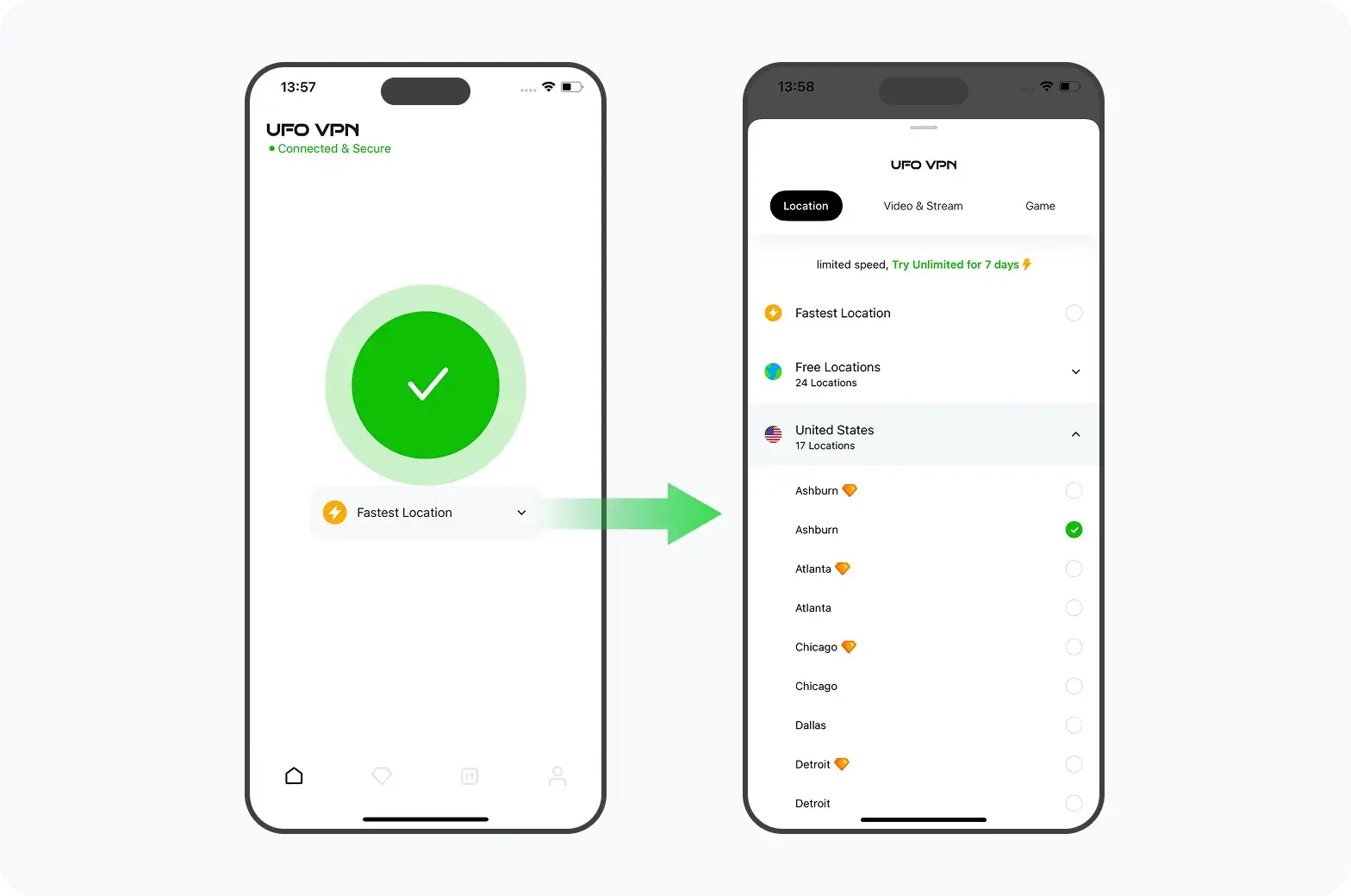
FAQs
- Can hotel Wi-Fi be completely safe?
Not 100%. Even if the hotel uses modern encryption, you should still use a VPN and practice safe browsing habits. - What’s an “evil twin” network?
It’s a fake Wi-Fi hotspot that mimics a real one. Hackers use it to trick you into connecting, then steal your data. Always confirm the network name with hotel staff. - Do I need a VPN on hotel Wi-Fi?
Yes. A VPN is the most effective way to secure your connection. It encrypts your traffic, protecting your personal information from prying eyes. - Are HTTPS sites safe on public networks?
They’re safer than HTTP because they encrypt data, but they don’t protect you from phishing or fake sites. A VPN adds an extra layer of safety. - Should I trust the hotel-provided antivirus or apps?
It’s best to use your own trusted antivirus or security tools rather than unfamiliar hotel-provided software.