


How to Find Blocked Contacts on LinkedIn?

Before you can essentially "forgive and forget," you first need to locate where LinkedIn has hidden the list of people you have shunned, because the platform frequently updates its user interface, often burying the "Blocking" menu deep within nested privacy settings.
Finding your list of blocked accounts is the first hurdle. LinkedIn does not advertise this list on your homepage for obvious reasons; it is tucked away to prevent accidental changes.
Whether you are on a desktop computer or a mobile device, the path to find blocked contacts generally resides within your privacy hub.
If you are using a desktop browser, you aren't just looking for a simple "Block" tab. Instead, follow this path to locate the list:
- Click Your Profile Icon: Start by clicking the "Me" icon (your profile picture) at the top of your LinkedIn homepage.
- Navigate to Settings: Select "Settings & Privacy" from the dropdown menu to open your account control center.
- Select Visibility: On the left-hand sidebar, click on "Visibility" to access your display options.
- Access the Block List: Look under the "Visibility of your profile & network" section to find "Blocking."
Clicking this finally reveals the names of everyone you have blocked. It is often a surprising list - you might find names you forgot about years ago!
This central hub acts as the command center for your unblock the profile on LinkedIn mission, giving you a clear view of who is currently restricted from seeing your professional life.
How to Unblock LinkedIn Safely?
Now that you know how to locate your blocked list, it is imperative to discuss the security context in which you are operating.
1. Use a VPN
Safety on social media goes beyond just blocking harassment; it extends to how you access the platform itself. When you are diving into sensitive settings like your block list, you are interacting with the backend of your personal data.
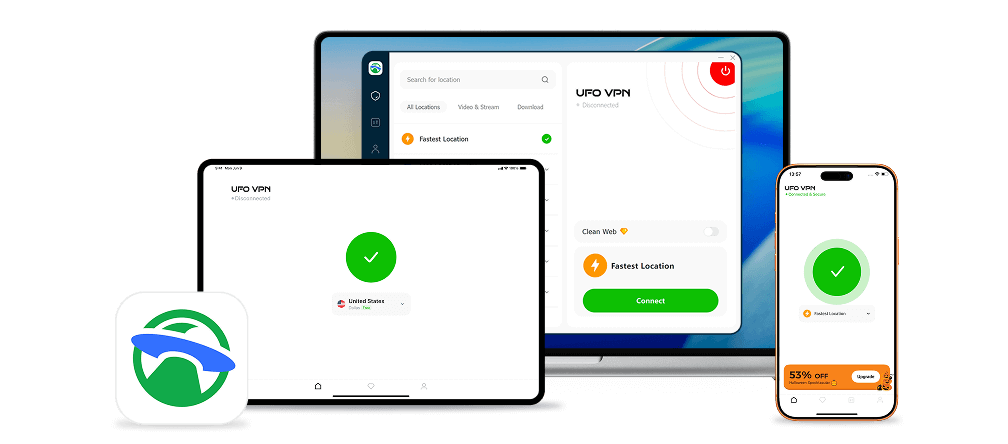
Doing this on an unsecured coffee shop network or a restrictive office firewall can expose you to risks or prevent you from accessing the site altogether. This is where a free proxy VPN in UFO VPN becomes an essential tool in your professional toolkit.
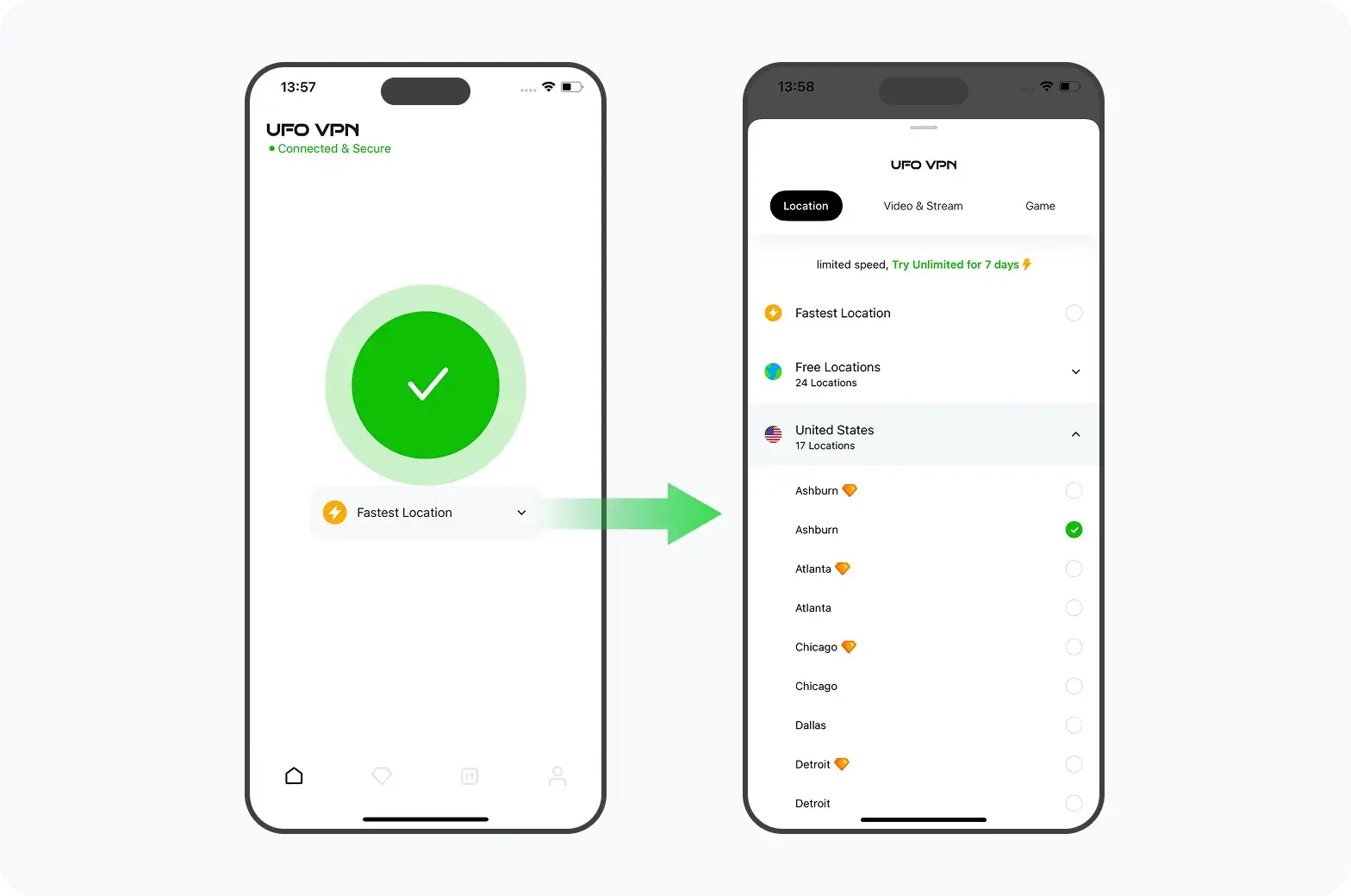
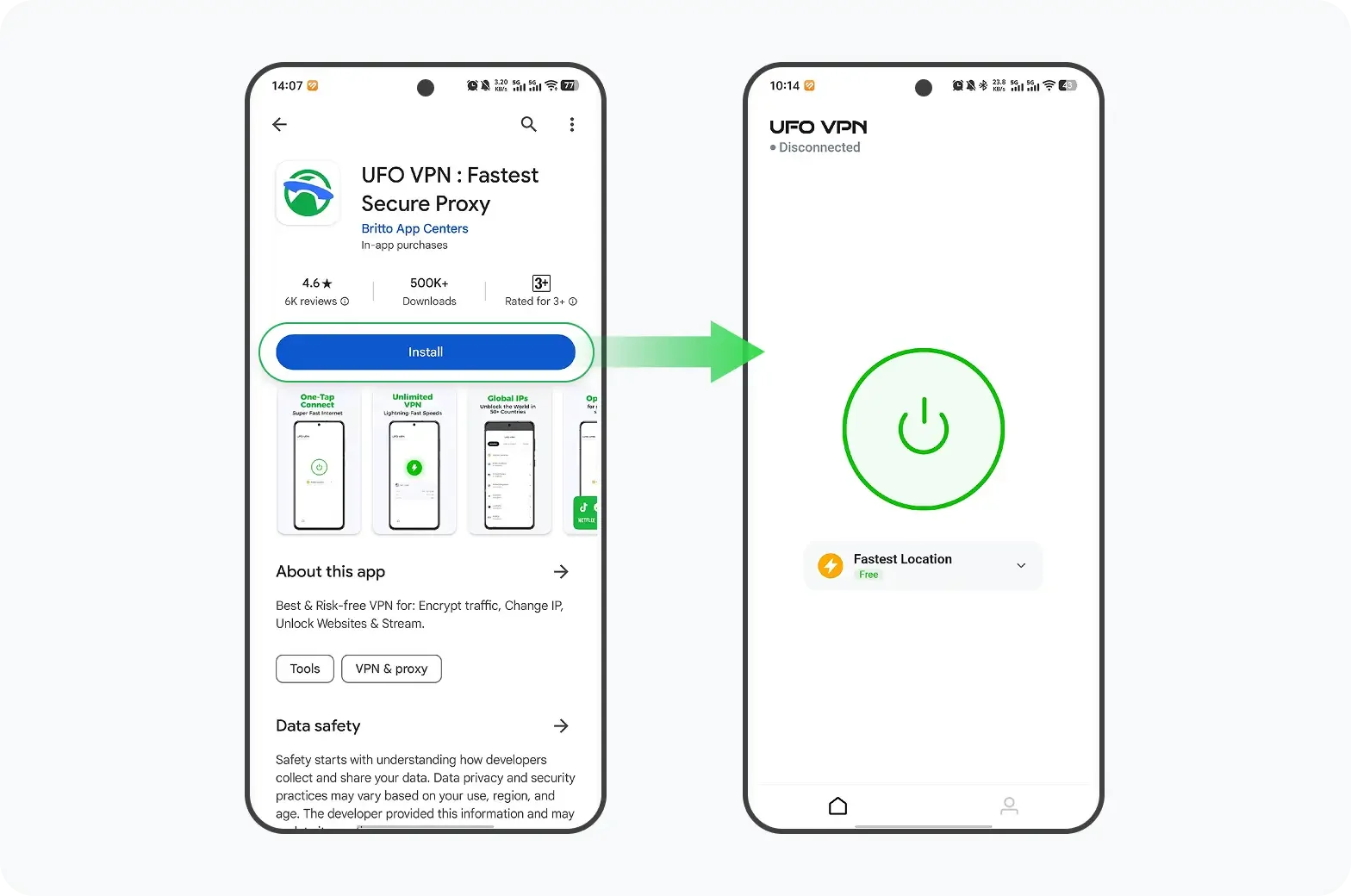
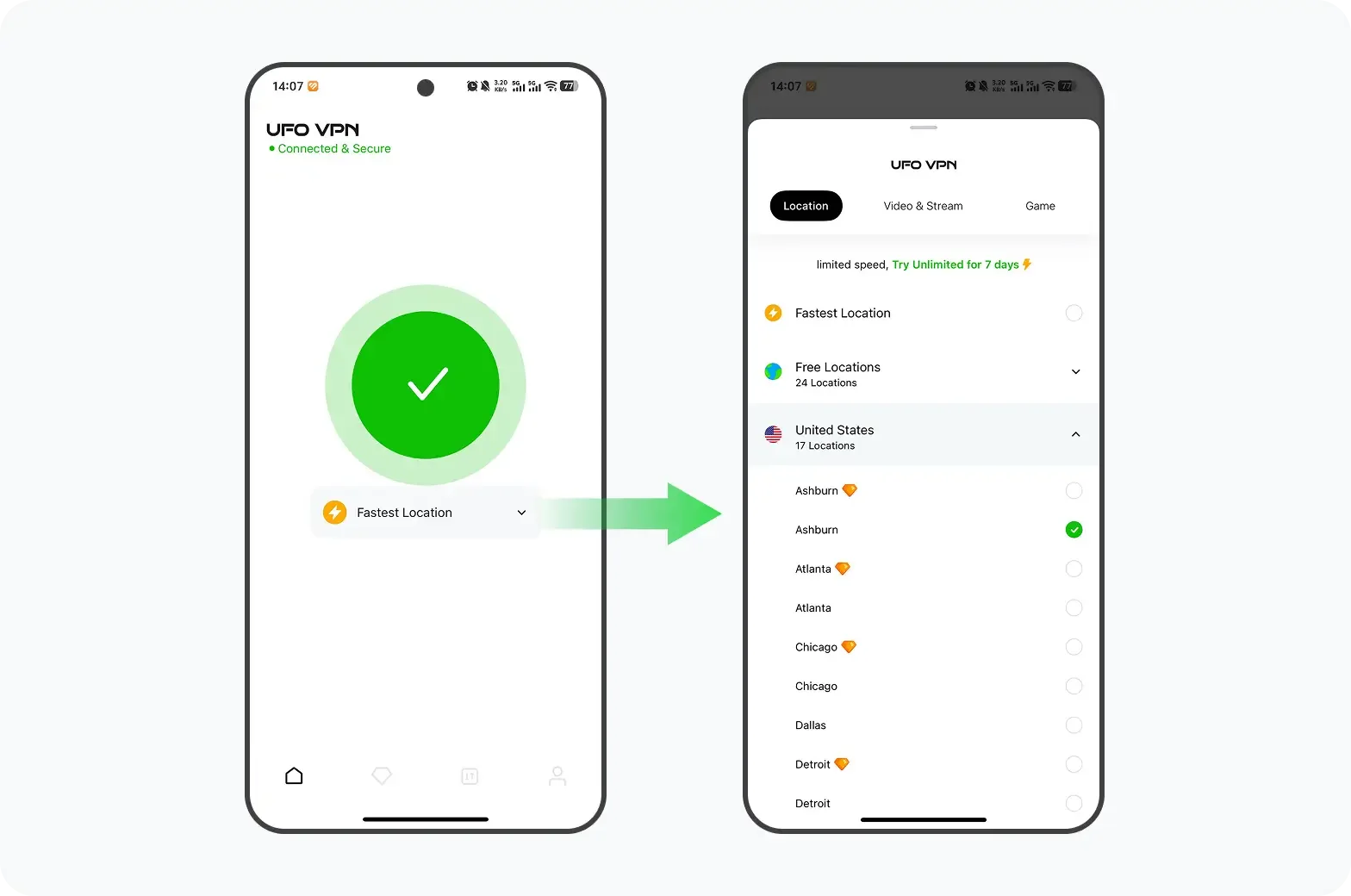
UFO VPN is designed to provide you with a secure, encrypted tunnel to the internet. Here is why you should incorporate it into your LinkedIn routine:
- Global Connectivity: UFO VPN masks your location to bypass geo-restrictions. This ensures you can access LinkedIn or reply to urgent messages, regardless of your physical location.
- Robust Encryption: It encrypts your traffic to prevent data interception. This protects your session cookies and credentials from hackers lurking on unsecured public Wi-Fi networks.
- Enhanced Anonymity: Using UFO VPN adds a vital layer of privacy. This shields your connection data effectively, ensuring your online identity remains hidden and anonymous.
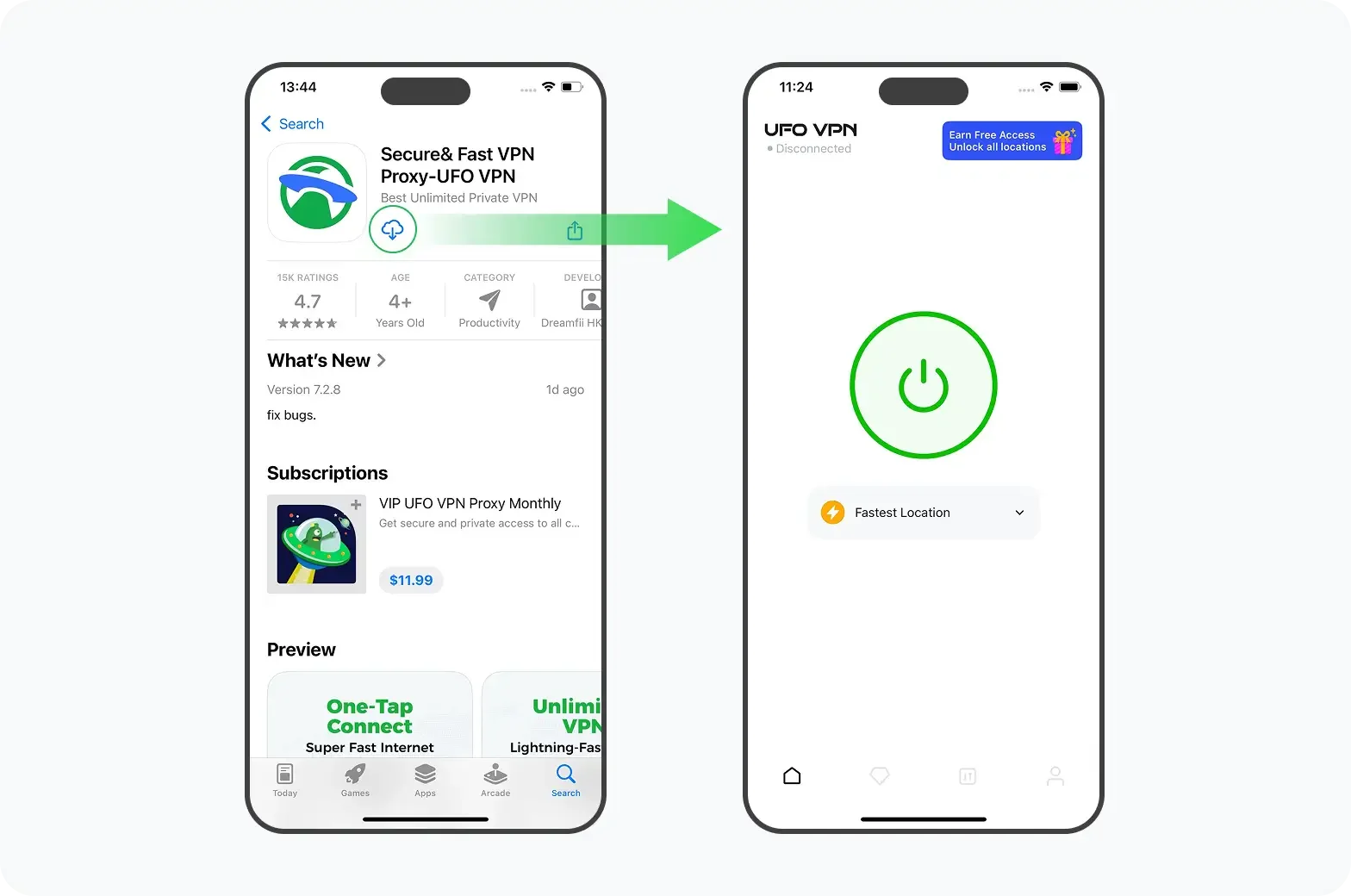
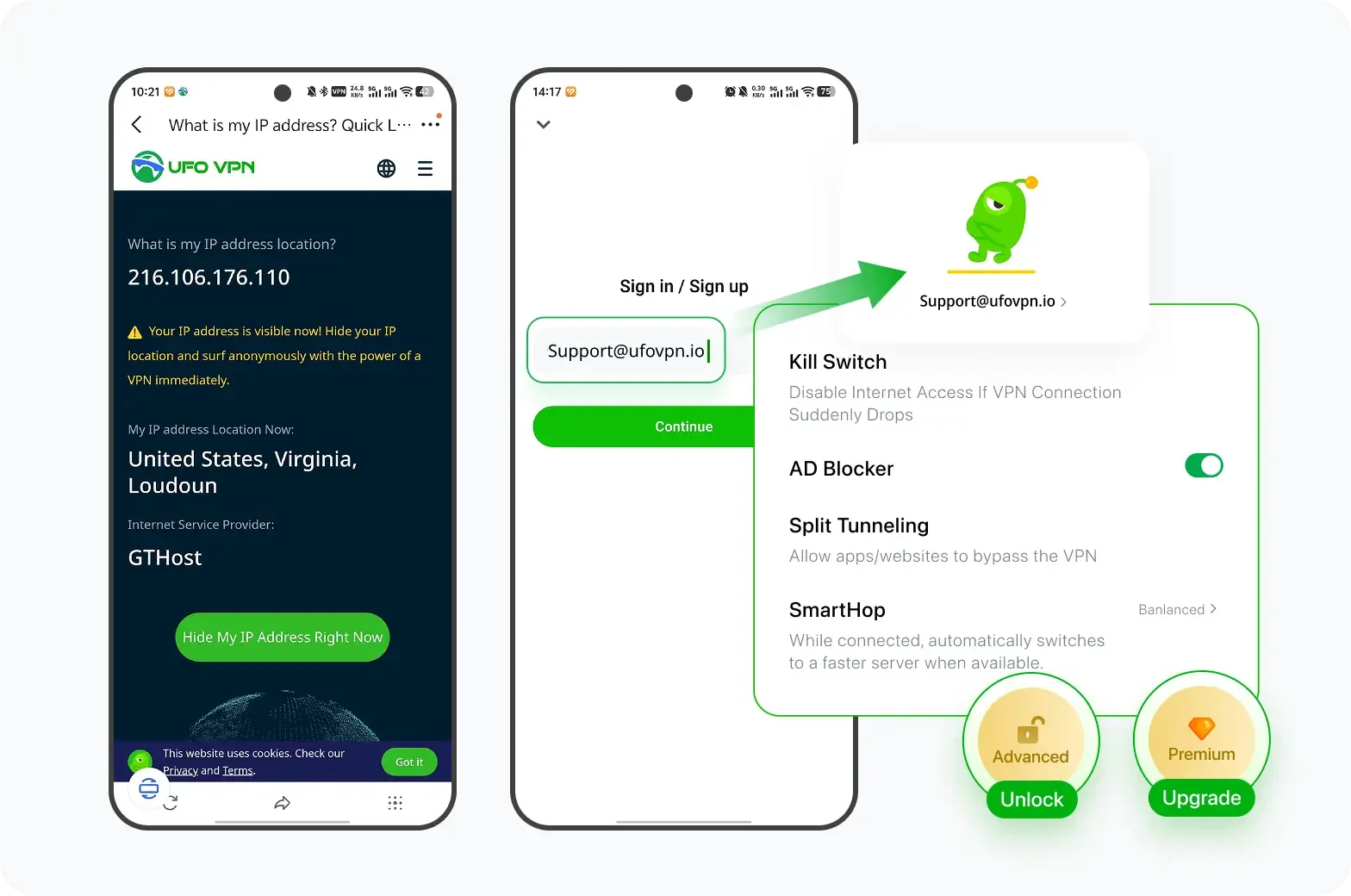
With only a few simple steps, you can easily use this app on any of your devices:
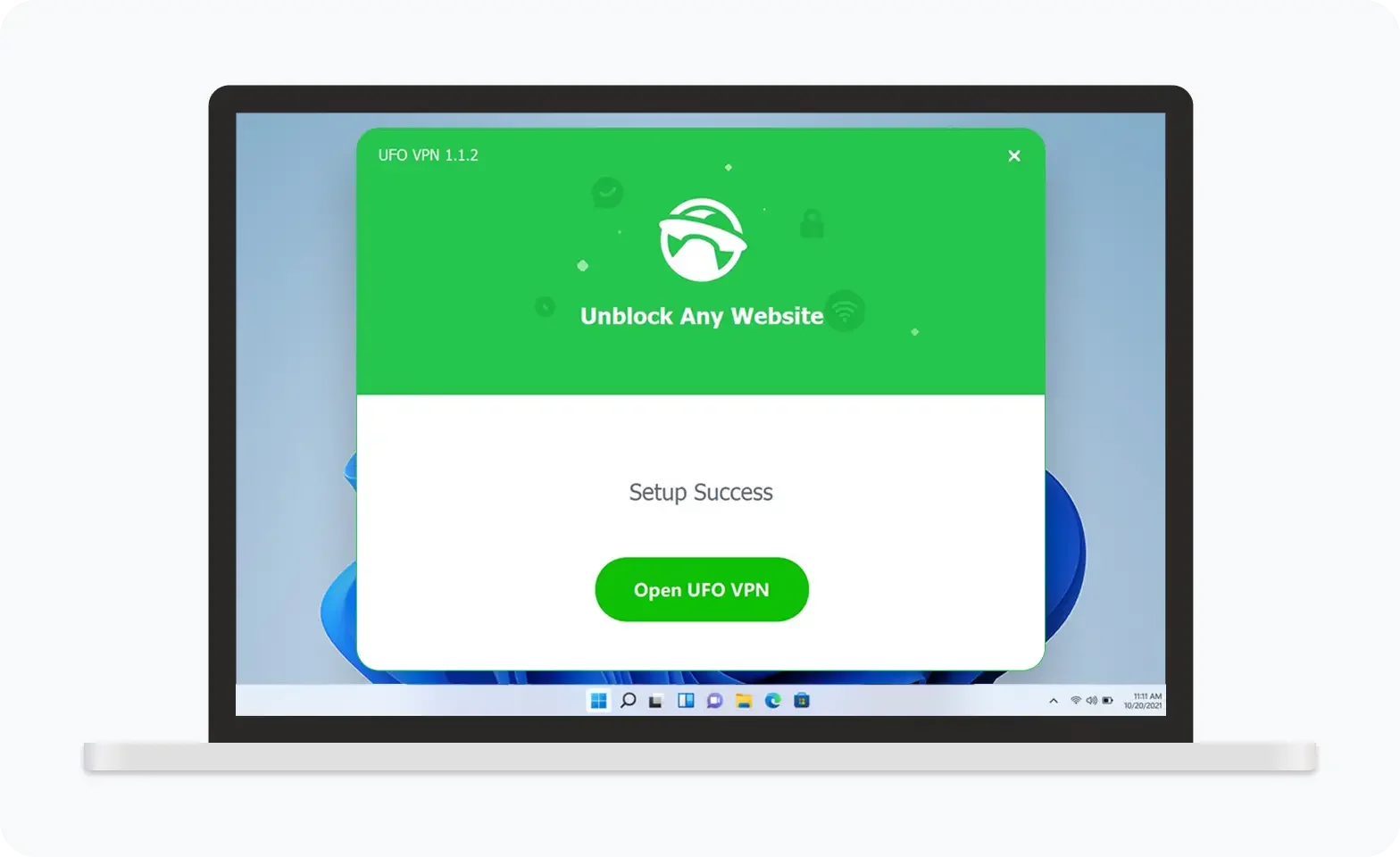
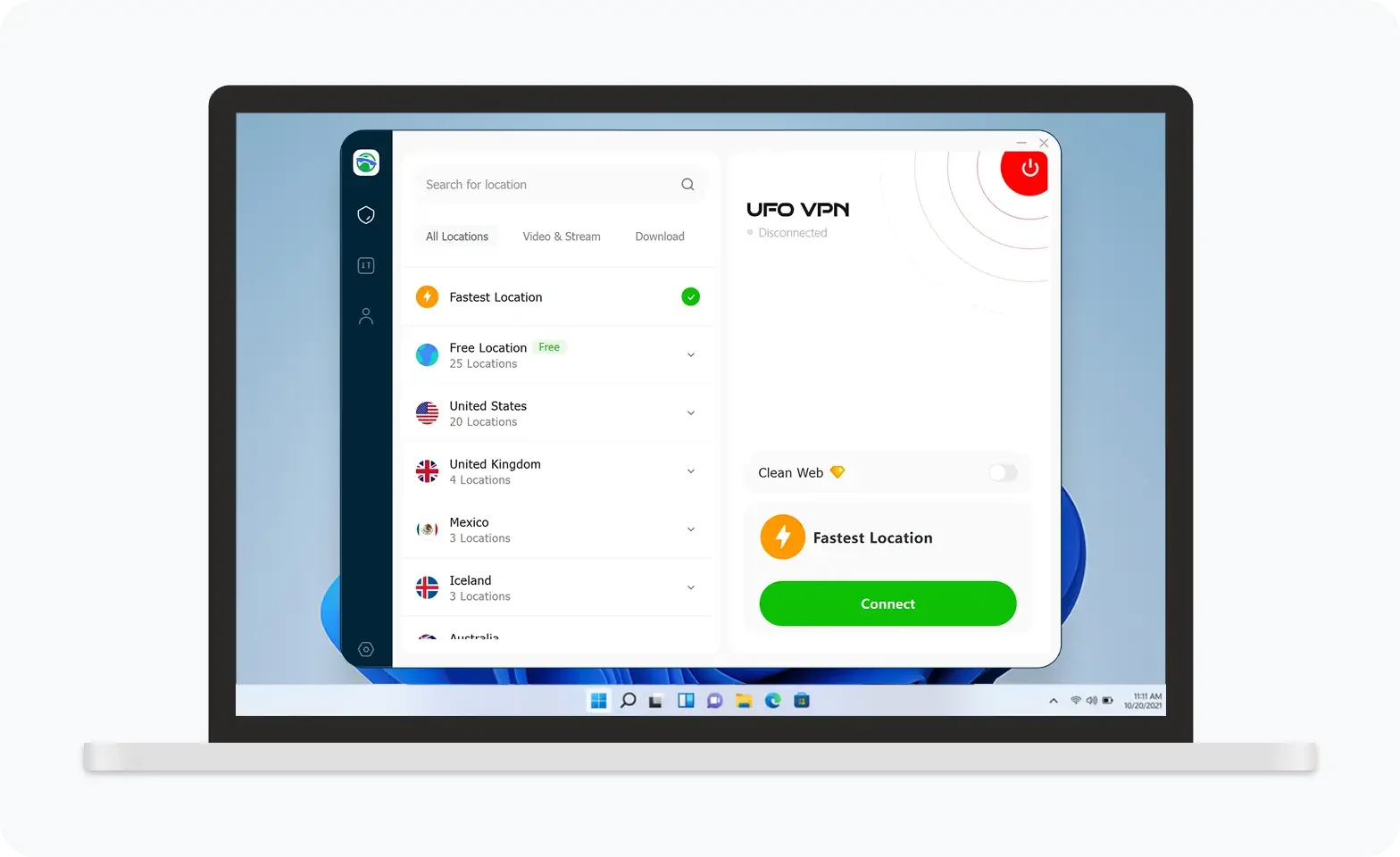
UFO VPN is an all-in-one VPN that offers unlimited access to 4K streaming like Netlfix, Disney Plus, no-ping gaming as PUBG, Roblox, CODM and social networking for YouTube, X, Facebook and more.
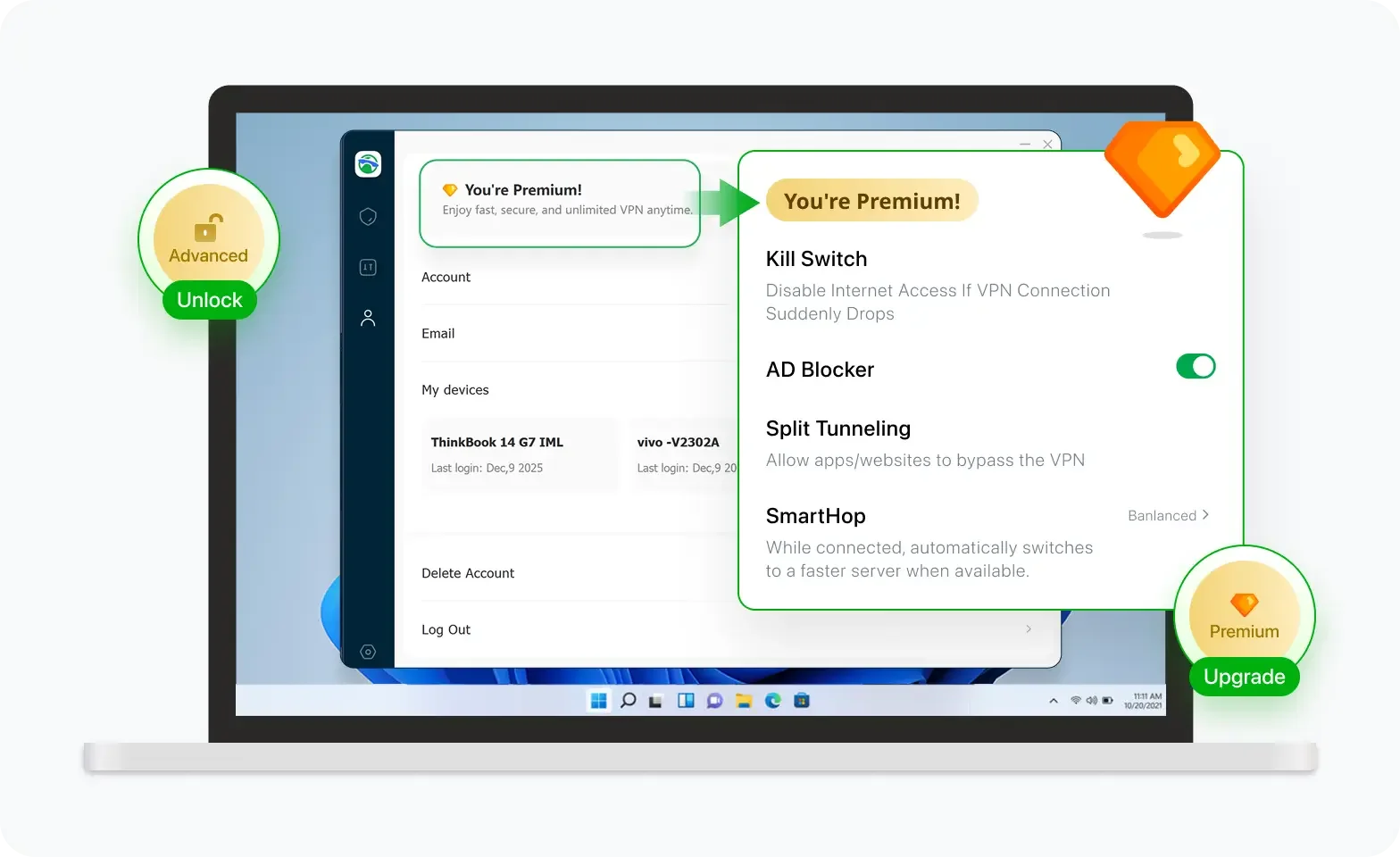
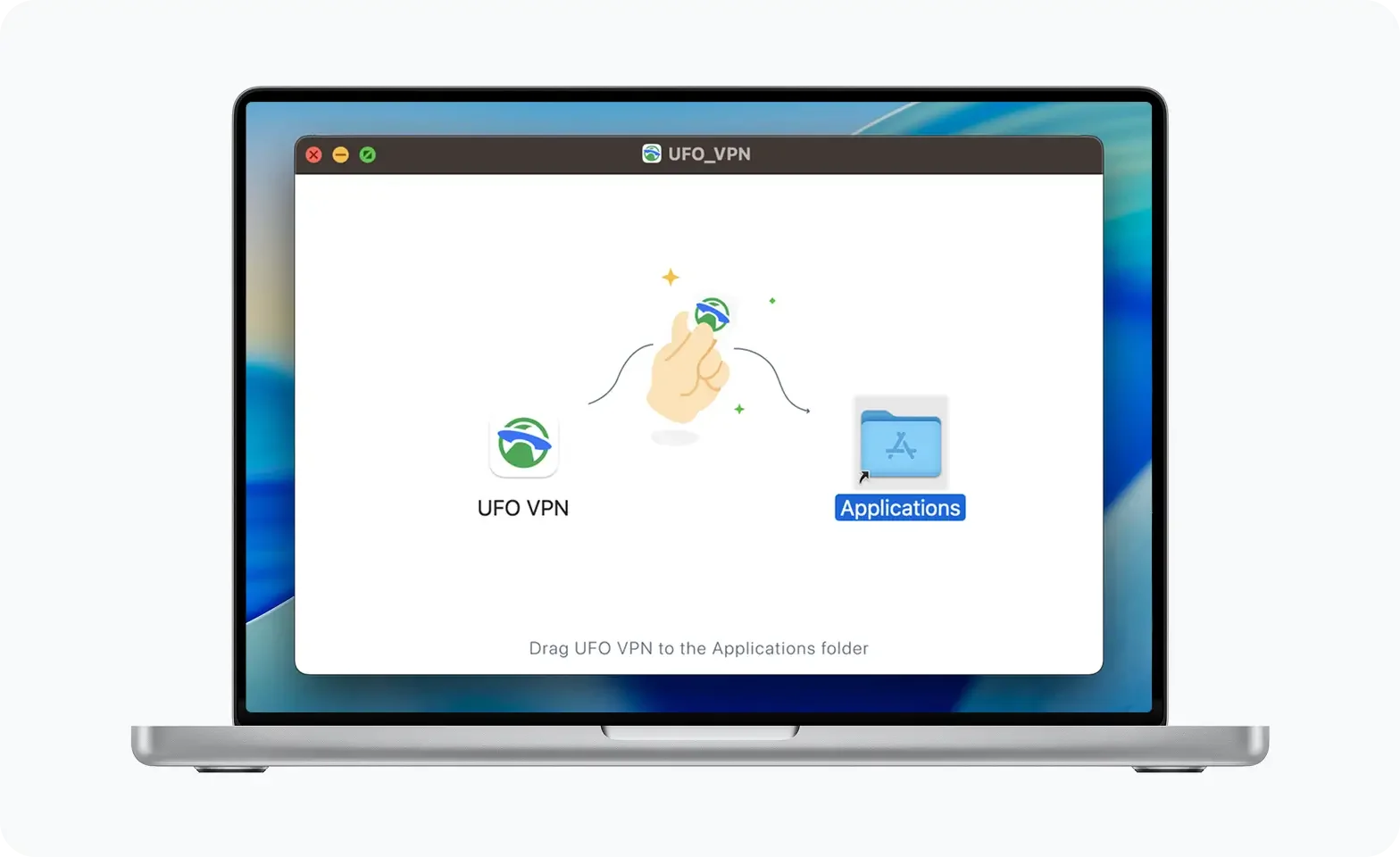
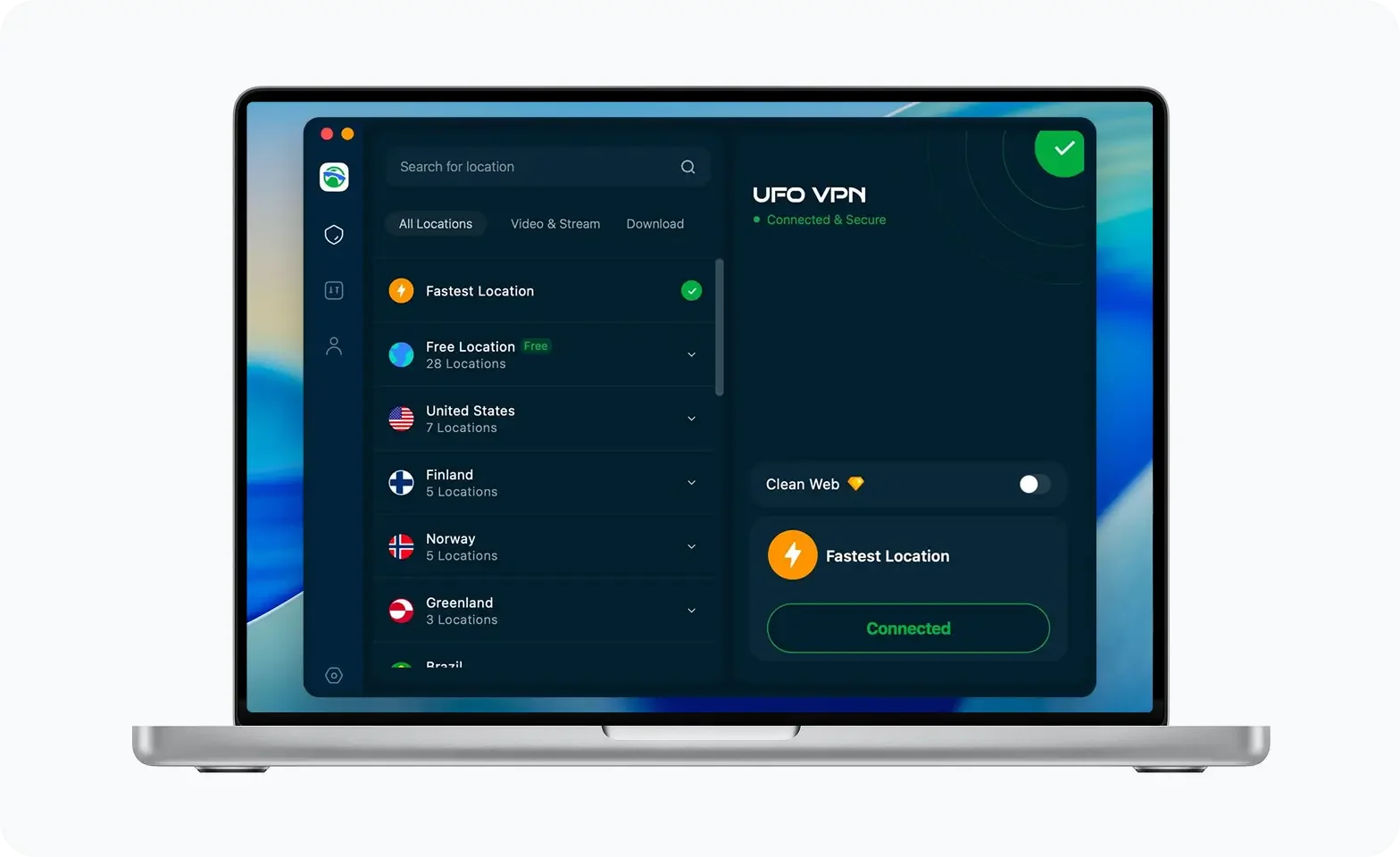
Unlock Pro Features
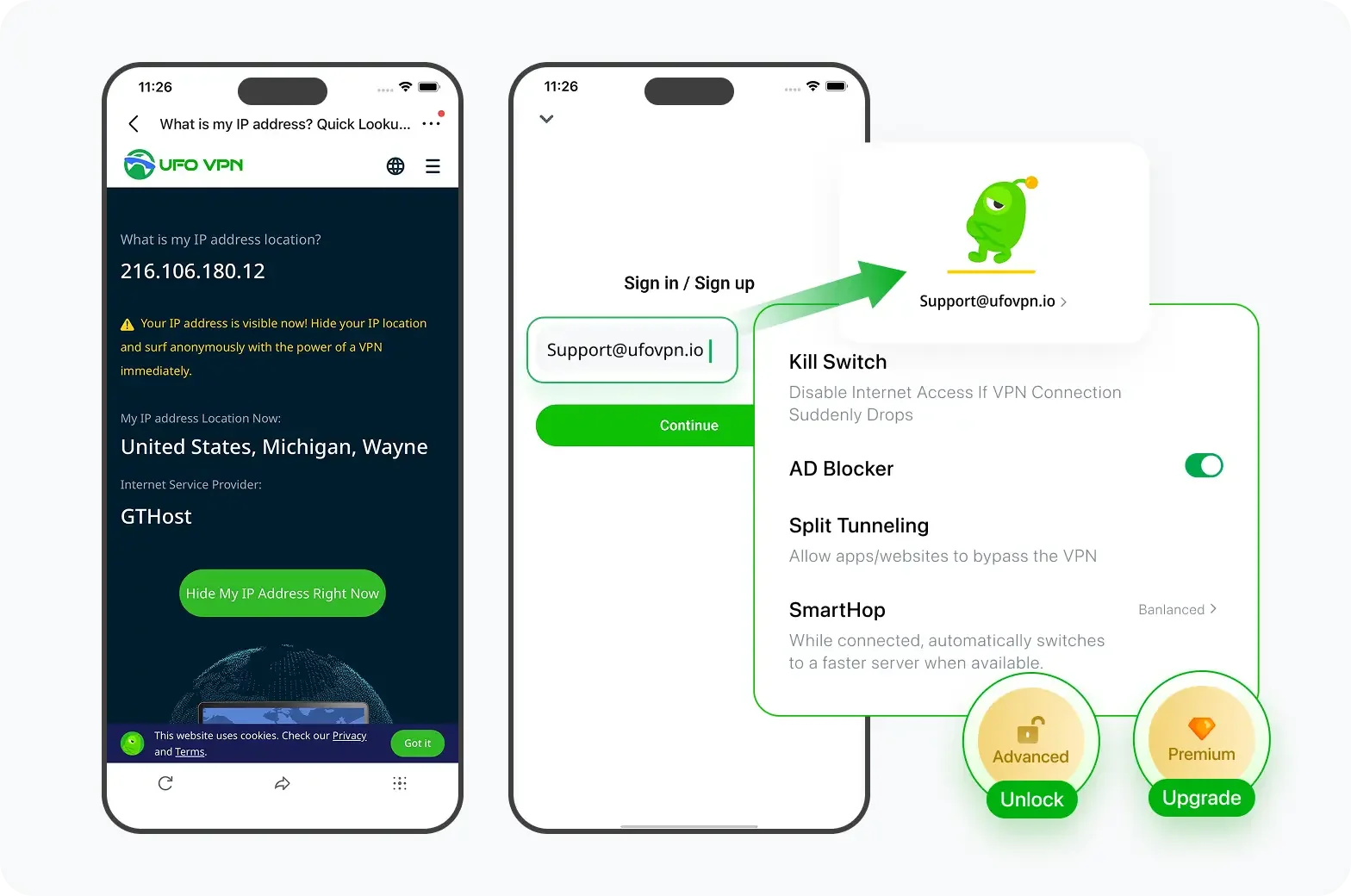
If you have upgraded to premium plan , feel free to enjoy premium servers for 4K streaming and advanced features like Kill Switch, Split Tunneling, and gaming acceleration. Your Mac is now fully optimized and protected. Inaddition to basic functions, we recommend you turn on

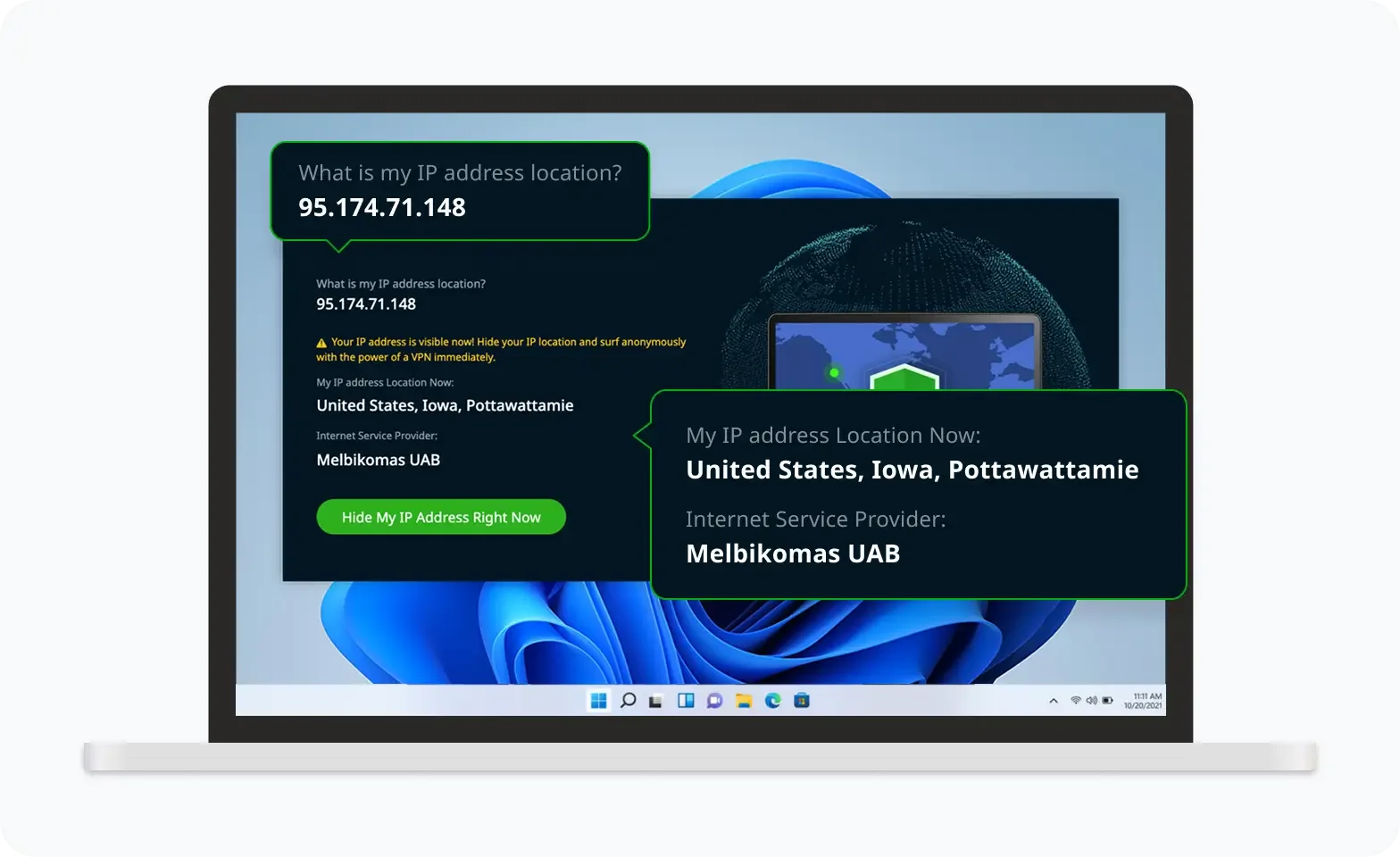
Verify Your IP Now
Use UFO VPN's " What is My IP " feature to see your new IP and location. This confirms your connection is secure, anonymous, and ready for safe browsing online anywhere at any time.

2. Turn on Private Mode First
The moment you unblock someone, you might be tempted to view their profile. If you do this with standard settings, you will appear in their "Who viewed your profile" list immediately.
To prevent this, go to Settings & Privacy > Visibility > Profile viewing options and switch to "Private mode" before you unblock them.
3. Use Incognito Mode
If you are using a shared computer or a work device, access LinkedIn via an Incognito or Private browser window.
This ensures that the pages you visit (including the profile of the person you just unblocked) are not saved in the local browser history.
4. Check Your Public Profile Settings
Ensure your public profile limits what non-connections can see. Since unblocking someone reverts them to a "public" viewer status, you want to make sure they can't see your phone number or email address unless you explicitly accept their connection request later.
Simple Steps to Unblock Someone on LinkedIn
With your connection secured via UFO VPN and your blocked list located, you are ready to take action. But you should know the exact tap-by-tap process prevents unnecessary fumbling through menus first. Building on the safety and location advice from the previous section, this part provides the practical, hands-on tutorial to unblock someone on LinkedIn using the device you likely have in your hand right now.
The mobile app is how most of us interact with LinkedIn daily. Whether you are commuting or on a lunch break, unblocking someone is usually a quick task if you know exactly where to tap. Here is how to do it on the two most popular mobile operating systems.
For iPhone Users
If you are an Apple user, the LinkedIn app offers a sleek, albeit slightly hidden, path to managing your blocks.
-
Open the App: Launch LinkedIn on your iPhone and ensure you are logged in.
-
Tap Your Profile: Look for your profile picture (or the default silhouette) in the top-left corner of the screen and tap it.
-
Go to Settings: In the side menu that appears, tap on "Settings" (usually represented by a gear icon).
-
Select Visibility: Tap on the "Visibility" option. This houses the controls for who can see your activity.
-
Find "Blocking": Scroll down until you see the "Blocking" option. Tap it to load your list.
-
Unblock: You will see a list of names. Find the person you want to reinstate and tap the "Unblock" button next to their name.
-
Confirm: LinkedIn will ask for your password or a confirmation to ensure you really want to unblock the profile on LinkedIn. Confirm it, and you are done.
For Android Users
For Android users, the process is similar but follows the distinct Material Design language of the OS.
-
Launch the App: Open the LinkedIn app on your Android device.
-
Tap Profile Icon: Tap your small profile photo in the top-left corner.
-
Enter Settings: Scroll down in the slide-out menu and tap "Settings."
-
Choose Visibility: Click on "Visibility" to open the privacy sub-menu.
-
Navigate to Blocking: Scroll through the list until you find "Blocking" and tap it.
-
Select the User: Locate the person you wish to unblock from the list.
-
Tap Unblock: Hit the "Unblock" button.
-
Finalize: You may be prompted to enter your password. Once entered, the contact is removed from the block list immediately.
What Happens When You Unblock the Profile on LinkedIn?
You have successfully followed the steps and clicked the button, but your action has consequences you might not expect. Unblocking someone does not just quietly remove a barrier; it resets the digital relationship between you and that person to "zero."
It is crucial to understand that unblocking someone on LinkedIn does not automatically make you reconnect with them. Here is a breakdown of exactly what happens:
-
Connection severed: Even if you were 1st-degree connections before you blocked them, you will not be connected after you unblock them. You will revert to being standard LinkedIn members. If you want to be connected again, one of you must send a new connection request.
-
Endorsements and Recommendations are gone: Any skills they endorsed you for, or glowing recommendations they wrote for your profile, are permanently deleted when you block them. Unblocking them does not restore these. They are gone forever unless rewritten.
-
The 48-Hour Rule: This is a critical anti-abuse feature. Once you unblock the profile on LinkedIn, you cannot re-block that same person for 48 hours. This prevents users from toggling the block feature on and off to harass others or peek at profiles undetected.
-
Visibility Returns: Once unblocked, they can see your public profile again, and you can see theirs. If you view their profile, you will show up in their "Who viewed your profile" list (unless you have browsing turned to private mode - another great reason to use UFO VPN to manage your IP anonymity).
Conclusion
Managing your professional network involves more than just adding connections; it requires curating your boundaries. Knowing how to unblock someone on LinkedIn gives you the flexibility to mend fences or simply correct a past mistake.
We have covered where to find these hidden settings, how to use UFO VPN to ensure your access to LinkedIn is safe and unrestricted, and the step-by-step process for both iPhone and Android users.
FAQs
Can the person I unblocked see that I unblocked them on LinkedIn?
No, LinkedIn does not send a notification to a user when you block or unblock them.
However, they might figure it out if they try to search for you and suddenly find your profile is visible again, or if they notice you are no longer connected and have to send a new request.
Why can't I re-block someone immediately after unblocking them?
LinkedIn enforces a strict 48-hour waiting period after you unblock someone before you can block them again.
This policy is in place to prevent harassment and abuse, such as repeatedly blocking and unblocking someone to manipulate profile views or messages.
How do I block someone on LinkedIn if I change my mind?
To block someone, go to their profile page, click the "More" button (usually displayed as three dots), and select "Report / Block" from the dropdown menu.
Remember, if you just unblocked them, you must wait 48 hours before this option becomes available again.
If I unblock someone, do we become connections again automatically?
No, blocking someone breaks the connection permanently. When you unblock them, you will both appear as regular LinkedIn members to each other; if you wish to be part of each other's network again, you must send a new connection request.